



Faisalabad: The “Manchester of Pakistan” — A City with Rich Colonial History and Industrial Legacy
Faisalabad is known as the “Manchester of Pakistan” due to its extensive textile industry, which functions as a major industrial and distribution hub. Located in Punjab, it is Pakistan’s third-most populous city and serves as a major hub for cotton, textiles, and manufacturing.
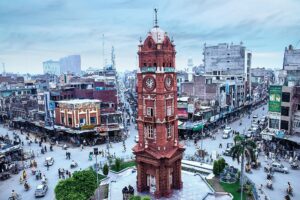
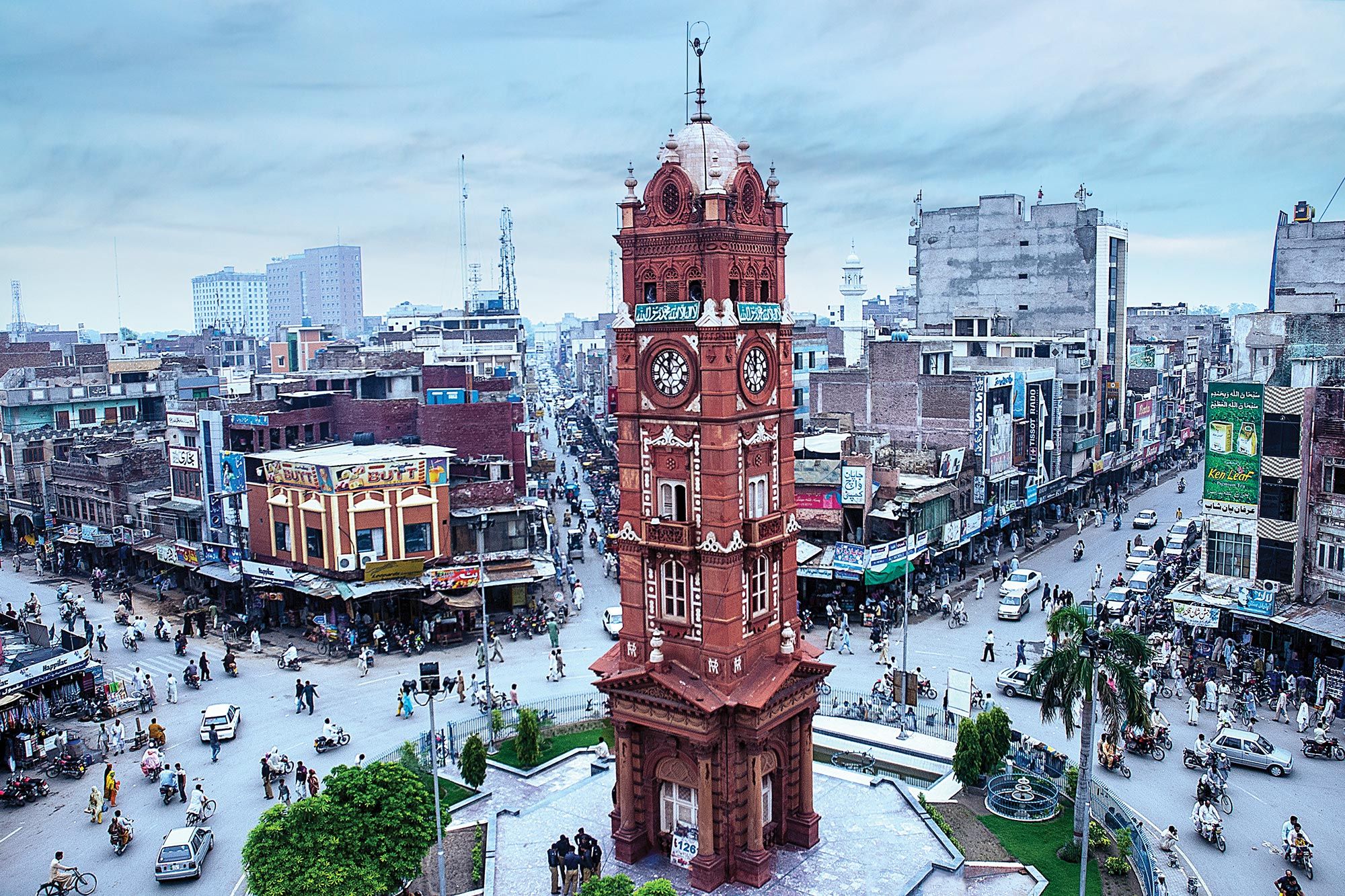
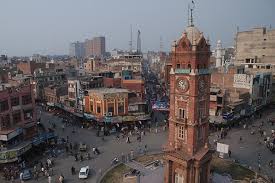
Faisalabad, originally founded in 1892 as Lyallpur, It was meticulously planned by the British colonial administration around a central Clock Tower and eight bazaars designed in the shape of the Union Jack, evolving from a semi-desert into a thriving textile powerhouse.
British Colonial Era (1892–1947)
Before the late 19th century, the region—historically known as the Sandal Bar—was an arid expanse of forests populated mostly by nomadic tribes. The city’s destiny shifted when the British government constructed the Lower Chenab Canal, transforming the barren landscape into fertile agricultural land.
Foundation: The settlement was founded in 1892 and named Lyallpur in honor of Sir James Broadwood Lyall, the Lieutenant-Governor of the Punjab.
Urban Planning: Colonization Officer Captain Poham Young designed the city center in 1896, radiating eight distinct bazaars outward from a central clock tower.
Economic Boom: The introduction of the railway network in 1895 allowed agricultural surplus to easily travel to ports, quickly establishing the area as a massive market town (mandi).
District Status: The territory officially attained district status in 1904.
Independence and Industrialization (1947–1970s)
The partition of India in 1947 brought a massive influx of Muslim refugees from East Punjab and Haryana. This demographic shift fueled rapid population growth, with the city witnessing unprecedented demographic increases in the following decades.
The Textile Shift: Moving beyond basic agriculture, local entrepreneurs began investing heavily in cotton ginning, weaving, and textile manufacturing.
Manchester of Pakistan: The city’s massive contributions to the textile industry earned it the nickname “the Manchester of Pakistan.”
In 1977, the government renamed Lyallpur to Faisalabad in honor of King Faisal of Saudi Arabia, recognizing his services to the Muslim Ummah and the deep, historic ties between the two nations.
Today, Faisalabad is a booming metropolis characterized by:
A diverse economy heavily driven by textile manufacturing, agricultural research, and exports.
Elite educational institutions like the University of Agriculture, Faisalabad (UAF).
A rich literary and cultural heritage, producing some of the subcontinent’s most celebrated poets and writers.
Report Sabih Salik