








Changa Manga Forest: Asia’s Historic Man-Made Forest Named After Two Brothers
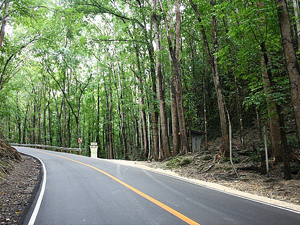
Changa Manga is one of the most famous man-made forests in Pakistan, located in the Kasur and Lahore districts of Punjab, about 74 kilometers west of Lahore. It is widely recognized as one of the oldest hand-planted forests in Asia and holds significant historical and environmental importance.
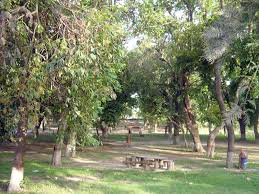
The forest was established in 1866 during the British colonial era to meet the growing demand for timber and fuel for the North-Western Railway system. Covering thousands of acres, the area was transformed from barren scrubland into a fully developed forest through planned plantation of species such as sheesham, kikar, eucalyptus, and mulberry.
The name “Changa Manga” is linked to a local historical legend. According to popular accounts, it is derived from two brother dacoits named Changa and Manga, who were reportedly active in the region during the 19th century. They were known for robbing travelers and traders and were said to have taken refuge in the dense forest area. After their eventual capture, the name of the forest became associated with them, and it later became widely known as Changa Manga.

Beyond its historical background, the forest also serves as an important wildlife reserve, hosting a diverse range of species including mammals, birds, reptiles, amphibians, and insects. Over time, it has played a dual role as both a timber production site and a natural habitat for wildlife.
However, the forest has faced serious challenges in recent decades, including illegal deforestation and environmental degradation, which have significantly reduced its original size. Despite these issues, ongoing conservation efforts and plantation drives are being carried out to restore its ecological balance.
Today, Changa Manga remains a symbol of historical forestry planning in the region as well as a reminder of the importance of environmental preservation.
Report Sabih Salik