
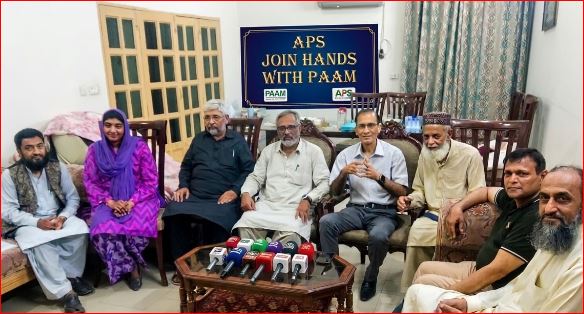
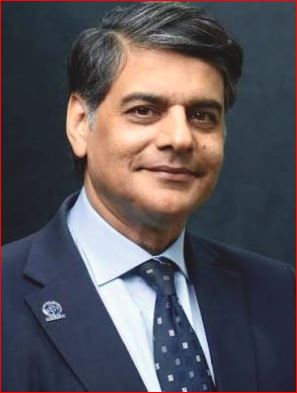



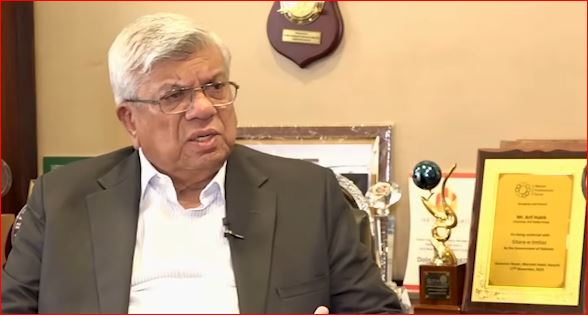
MR.ARIF HABIB LOOKING FORWARDS TO INCLUSION OF PIA IN THE BEST AIRLINES OF THE WORLD….
In December 2025, the Government of Pakistan completed a long-awaited privatization of Pakistan International Airlines (PIA), selling a 75 % controlling stake in the national flag carrier to a consortium led by finance magnate Arif Habib for Rs 135 billion (approx. $482 million). This transaction marked one of the largest privatization efforts in Pakistan’s economic history and a major shift for an airline that has been state-run for decades, often plagued by financial mismanagement, political interference, and chronic losses.
Under the terms of the successful bid, the government retains 25 % ownership, with the possibility of the consortium purchasing that remaining stake in the future. Operational control is expected to transfer around April 2026 after regulatory and legal formalities are completed.
1. Change in Ownership & Governance Structure
Privatization Brings Private-Sector Management Discipline
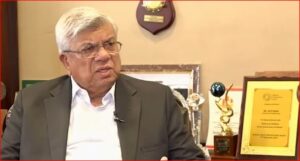
Arif Habib’s takeover introduces a private-sector governance model directly into PIA’s corporate structure — replacing decades of state bureaucracy and political influence that many analysts believe contributed to inefficiencies. In his public remarks, Habib has signaled his intention to instill disciplined capital management and modern corporate oversight as a foundation for the airline’s turnaround.
While the government retains a minority share and proprietary interests (including the airline’s name), the new management will operate with broad authority over strategic, financial, and operational decisions. This is a substantial departure from the previous state-led management model, where PIA frequently relied on bailouts and government support rather than profit or performance incentives.
2. No Immediate Layoffs: A Strategic Pause
One of the earliest, widely noted commitments from Habib is a guarantee that no PIA employee will be laid off for at least one year following the change in ownership. Given the airline’s historically large workforce and frequent staff redundancies under past restructuring efforts, this promise has been seen as a significant morale booster and a contrast to typical private-sector practice.
However, this job security guarantee is accompanied by a performance-based future workforce policy — meaning that beyond the one-year window, retention and promotions will be tied directly to employee performance. Habib has publicly stated that “only those who perform will remain in PIA,” reflecting a shift toward merit-based human resources management after the initial transition period.
This hybrid approach aims to:
Protect employee livelihoods in the short term,
Promote meritocracy and accountability, and
Bridge the organizational culture from public service norms to performance-oriented operations.
3. Fleet Expansion, Modernization & Operational Revamp
Ambitious Aircraft Growth Strategy
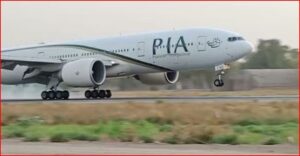
Under state control, PIA’s fleet had stagnated, with many aircraft grounded due to maintenance issues and underutilization. Arif Habib’s consortium has unveiled aggressive fleet expansion plans aimed at significant operational scaling:
In the first phase, the number of operational aircraft is expected to increase to 38, up from around 17-18 operational jets reported pre-privatization.
Over time, the full fleet could grow to 64–65 aircraft, expanding capacity across domestic, regional, and international routes.
This investment is not merely for numerical growth — it’s intended to:
Modernize an aging fleet (potentially adding new Airbus and Boeing models),
Enhance fuel efficiency, reducing operating costs,
Improve flight reliability and schedule adherence, and
Restore blocked and suspended international services through regulatory compliance.
Focus on Maintenance & Safety Standards
Alongside growth, there is a strong emphasis on upgrading maintenance protocols and safety standards to meet international benchmarks. PIA had previously faced operational restrictions in parts of Europe due to safety concerns; aligning with global aviation norms is critical to regaining full market access and passenger confidence.
4. Network Expansion & Targeted Market Focus
The new management sees Pakistan’s massive diaspora and pilgrimage travel markets as key strategic growth drivers. With over 14 million Pakistani expatriates worldwide, demand for reliable, well-priced international service is high. Arif Habib has publicly stated the intention to encourage more overseas Pakistanis to choose PIA for travel, especially for major pilgrimage seasons such as Hajj and Umrah, which have historically been strong revenue generators.
In parallel, there is an inclination to revive and expand long-haul routes to the UK, Europe, and potentially North America — markets that once were PIA’s strengths but where the airline lost competitiveness over two decades….
5. Financial Restructuring & Capital Injection
Fresh Capital Commitment
The consortium is injecting approximately Rs 125 billion over the first year to fund operations, asset upgrades, and expansion plans. This influx is seen as essential to tackling the airline’s legacy challenges, including:
Old aircraft and grounded capacity,
Weak cash flow positions,
Maintenance backlogs,
Outdated technology systems (such as booking and passenger services).
By injecting fresh capital, the new owners intend to alleviate longstanding balance sheet weaknesses and create space for future debt restructuring if needed.
Potential for Strategic Foreign Partnerships
While the consortium currently leads the majority stake, Arif Habib has signaled interest in possibly bringing in foreign airline partners later. Strategic partnerships could open doors to global route sharing, code-sharing networks, and best-practice operational know-how — further integrating PIA into international aviation value chains.
6. Cultural & Organizational Shift
Meritocracy Over Patronage
Historically, PIA suffered from bureaucratic layers, politicized hiring, and weak performance incentives — common issues in many state-run enterprises. The new leadership is pushing toward a results-driven culture that rewards performance, efficiency, and accountability.
This cultural pivot is as important as fleet expansion, since human capital remains one of the airline’s most visible assets on the ground and in the air.
7. Long-Term Vision: A Sustainable National Airline
In essence, Arif Habib’s vision for PIA is not just short-term survival but long-term sustainability. Key components include:
Financial viability and profit orientation,
Operational reliability and customer satisfaction,
International competitiveness,
Employee empowerment and performance excellence, and
Rebuilding PIA’s brand and legacy in global aviation.
It’s worth stressing that such transformation is complex and years in the making — not an overnight turnaround. Even Habib himself has acknowledged that profitability could take several years to materialize fully…