


“PTV at a Crossroads: Can Pakistan Television Reclaim Its Prime-Time Glory?”
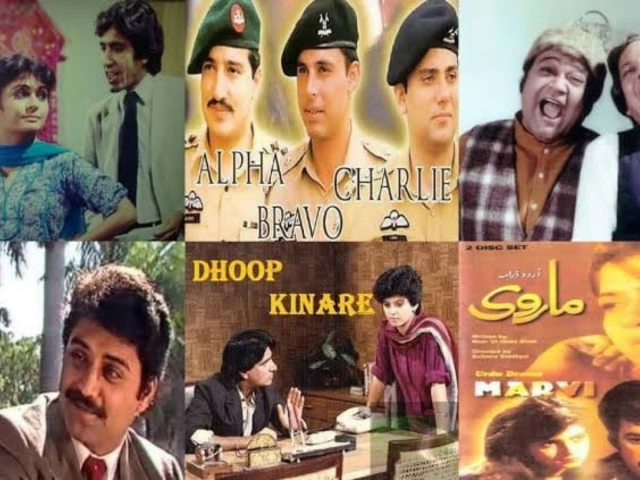
For decades, Pakistan Television (PTV) defined the nation’s prime-time drama, producing series that reflected social concerns, moral dilemmas, and daily life. From the thought-provoking serials of the 1970s to iconic dramas of the 1980s and 1990s—still widely viewed online today—PTV once set the standard for storytelling in the country. However, with private channels dominating ratings and digital platforms boasting billions of views, questions about PTV’s decline and its potential revival have resurfaced.
Veteran actor Javed Sheikh argues that the issue isn’t a shortage of resources but a lack of leadership and direction. Speaking to The Express Tribune, he said, “PTV has the infrastructure, equipment, and facilities across Rawalpindi, Karachi, Quetta, and Peshawar. It’s not a technical problem—they can produce high-quality dramas again.” Sheikh emphasized that strong leadership and vision are missing: “A new managing director, a chairman, someone to reset the system—it’s that simple.” He also dismissed claims that strong writers are no longer available, pointing out the massive popularity of dramas on private channels and digital platforms.
Sheikh highlighted successful projects like Jama Taqseem, Paamal, Case No. 9, and works by Nadeem Baig as proof that audiences still respond to compelling storytelling. “If society didn’t accept these stories, they wouldn’t succeed,” he said. Yet he also acknowledged that financial realities cannot be ignored. “Modern dramas cost five to ten crores. PTV must increase its budget; big writers and actors won’t join otherwise.” Despite challenges, he believes PTV’s resources remain unmatched by private channels.
Actor Behroze Sabzwari offered a starker view, describing PTV as hampered by bureaucracy. “It has been reduced to sitting idle like an old man,” he said. Visiting PTV Karachi, he recalled empty corridors and unused infrastructure, lamenting that the channel’s potential is wasted. He also noted that many of today’s private television professionals were trained at PTV, underscoring that talent exists but is underutilized.
Meanwhile, actor-director Yasir Hussain urged caution against comparing PTV only to its past glories. “If we only remember dramas from the 70s, 80s, and 90s, we might as well call it Nostalgia TV,” he said. Hussain acknowledged that PTV still has the country’s widest reach through terrestrial broadcasting but criticized the channel for failing to capitalize on that advantage. “They have air-conditioned studios, yet they shoot in harsh conditions without proper facilities,” he said.
From within, PTV officials defend their strategy, highlighting the channel’s broader mission. General Manager Amjad Shah noted that PTV’s role extends beyond commercial entertainment. He pointed to ongoing projects including Babu Ki Dulhanniyan, plays by Asghar Nadeem Syed, Ramadan programming, religious broadcasts, and large-scale concerts by artists like Rahat Fateh Ali Khan, Ali Zafar, and Atif Aslam. “We aim to balance contemporary trends with our traditions,” he said. Shah admitted that commercial pressures have influenced creative choices: “Earlier, directors had full freedom; now casting and glamour are often dictated by sales, which impacts creativity.”
Actress and writer Bushra Ansari highlighted the channel’s underused music library, while actor Hiba Bukhari emphasized that producers prioritize projects with guaranteed returns. She cited Kabli Pulao and Case No. 9 as examples of successful unconventional stories, noting that taking risks is key.
As discussions around budgets, bureaucracy, and creative freedom continue, PTV remains at a crossroads. The infrastructure is intact, talent is available, and audiences are still present—but whether the channel can reinvent itself quickly and boldly enough to meet today’s fast-moving media landscape remains an open question.