





The Beast of Gévaudan: The Mysterious Creature That Forced the French King to Raise a Special Army
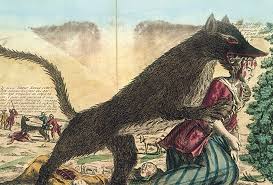
The Beast of Gévaudan was an enigmatic, man-eating predator (or predators) that terrorized the former province of Gévaudan (modern-day Lozère and Haute-Loire) in south-central France between 1764 and 1767. The creature is responsible for over 100 documented deaths, triggering one of the largest state-sponsored manhunts in history.
Historical Timeline & Attacks
First Attack: The earliest recorded victim was a 14-year-old girl named Jeanne Boulet, attacked in June 1764.
The Panic: Over the next three years, the beast struck more than 200 times. The attacks were brutal, with victims suffering severe mutilation and decapitation.
Royal Intervention: King Louis XV dispatched professional wolf hunters and his own royal guards to hunt the creature down. In 1765, a large wolf was shot and killed by the King’s lieutenant, temporarily calming the region.
The Second Wave: After a brief pause, attacks resumed, proving the threat was not eliminated.
The End: The terror finally concluded on June 19, 1767, when a local hunter named Jean Chastel shot and killed a mysterious creature during a localized hunt.
Theories on the Beast’s Identity
Because eyewitness descriptions varied wildly, the true biological identity of the beast remains a subject of heated debate among historians and cryptozoologists:
An Oversized Wolf: The most common theory is that the “Beast” was simply a massive wolf, a wolf-dog hybrid, or a pack of rogue wolves.
Exotic Predator: Some contemporary and modern theories suggest an escaped exotic animal—such as a striped hyena or a lion—from a private menagerie, perhaps armored in heavy boar-hide.
Human Involvement: Many theories argue that the attacks were carried out or controlled by a human serial killer, possibly using trained, large mastiff-type dogs.
Cryptid Theories: Folkloric and supernatural theories range from it being a werewolf to speculative hypotheses like an extinct prehistoric survival.
Report Sabih Salik