









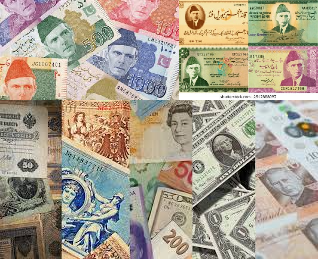
Currency Notes: History in the World and Pakistan
1. When Did Currency Notes Start in the World?
Paper currency notes were first introduced in China during the Tang Dynasty (around the 7th century), but they became more systematic in the Song Dynasty (around 11th century).
In Europe, banknotes appeared much later:
Sweden (1661) – first official European banknotes issued by Stockholms Banco.
England (1694) – Bank of England began issuing notes, which later became widely accepted globally.
Over time, paper money replaced heavy metal coins due to convenience in trade and transportation.
2. History of Currency Notes in Pakistan
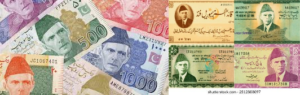
After the creation of Pakistan in 1947, the country initially used Reserve Bank of India currency notes overprinted with “Government of Pakistan”.
Key developments:
1948 – Pakistan issued its first official currency notes.
State Bank of Pakistan (SBP) was established and given authority to issue currency.
3. Timeline of Pakistani Currency Notes
Here is a simplified overview of major note introductions:
1948 – 1, 5, 10 rupee notes issued (first official series)
1950s–60s – New designs introduced; higher security and improved printing
1970s – Introduction of modernized series with Urdu and English text
1980s–90s – Updated designs and security features added regularly
2005 onwards – New redesigned series introduced (current style notes in circulation)
Common notes today include:
Rs. 10, 20, 50, 100, 500, 1000, 5000
4. When Was the 5000 Rupee Note Introduced?
The PKR 5000 note was introduced in 2006 by the State Bank of Pakistan.
It became the highest denomination in Pakistan.
It was mainly used for large cash transactions.
Report Sabih Salik