


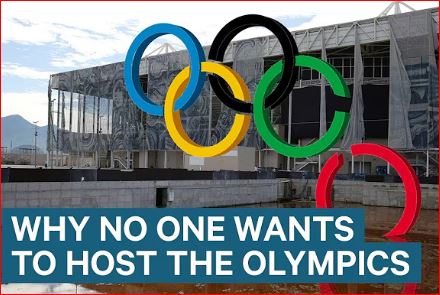
Will India Lose the Hosting Rights for the Olympics? A Deep Dive into the 2036 Scenario
India’s dream of hosting the Olympic Games — one of the world’s most prestigious sporting events — has been generating headlines, debate, and vigorous planning within sports and political circles. The 2036 Summer Olympics bid centers on Ahmedabad as the proposed host city, with the nation hopeful of finally staging the Games after years of global sporting engagement and infrastructural growth. However, growing geopolitical tensions, domestic challenges, and stringent International Olympic Committee (IOC) criteria have sparked speculation: Could India lose its bid before it’s even finalized?
India’s Olympic Hosting Ambition: The Current Picture
India officially entered the race for the 2036 Olympic Games, with the Indian Olympic Association (IOA) submitting a formal Letter of Intent to the IOC Future Host Commission, naming Ahmedabad as the candidate city. This marks a strategic long-term commitment to stage the mega-event and underscores India’s desire to establish itself as a global sporting hub.
The bid is part of a broader sporting strategy. The government and sports authorities have highlighted India’s recent track record of hosting international competitions — covering over 20 sports and 45 events in the past year alone. Sports Minister Mansukh Mandaviya has described India as a “reliable host” with growing competence and experience in managing complex multi-venue events, which strengthens the Olympic bid’s credibility.
In parallel, India has secured the right to host the 2030 Commonwealth Games in Ahmedabad, which is widely seen as a “dress rehearsal” for the Olympics — a chance to showcase logistical capability and world-class infrastructure.
The central government — including Prime Minister Narendra Modi — publicly affirms that India is preparing “with full strength” for the Olympic bid, emphasizing the importance of the upcoming decade for the nation’s sports ecosystem.
The IOC’s Standards and the Challenges Ahead
While India’s ambitions are clear, the International Olympic Committee maintains strict criteria for host selection. Beyond infrastructure and financial guarantees, the IOC places a premium on political stability, neutrality in sport, and compliance with governance principles outlined in the Olympic Charter.
One area of concern has been sports governance issues, including anti-doping compliance. Persistent problems with performance-enhancing drug violations among Indian athletes have drawn IOC attention and could reflect poorly on India’s commitment to sporting integrity unless addressed robustly. The Indian Olympic Association has responded with anti-doping reforms and a new national framework to strengthen testing and enforcement….
Geopolitical Tensions: A Real Threat to India’s Bid?
Perhaps the most striking recent development affecting India’s Olympic aspirations is the deterioration of diplomatic and sporting relations with neighboring countries — especially Bangladesh and Pakistan. A high-profile case of Bangladesh pulling out of the men’s T20 World Cup over concerns about playing matches in India has highlighted how sports and politics are intertwining in ways that could alarm the IOC.
Bangladesh’s withdrawal followed the controversial removal of a Bangladeshi player from an Indian Premier League team and subsequent political tensions, leading to violent reactions and accusations of interference. The Bangladesh Cricket Board’s boycott — and Pakistan’s consideration of a similar stance — has been noted as a warning sign in the broader context of fixture hosting and bilateral sporting ties.
This matters because the IOC’s “zero-tolerance” policy on political interference in sport is strict and uncompromising. The charter mandates that member organizations and host candidates must demonstrate independence from political influence — a core principle intended to safeguard the universal and inclusive spirit of the Games. Countries seen as unable to secure broad sporting cooperation may face scrutiny or even exclusion from hosting consideration.
In a recent high-profile example, Indonesia lost its opportunity to bid for future Olympics after refusing visas to an Israeli team, demonstrating how geopolitics can directly derail hosting ambitions.
Internal Challenges and Critiques
Within India, there are voices questioning the readiness and infrastructure planning for such a mammoth event. Some critics argue that the nation’s sports infrastructure outside a few urban centers is underdeveloped, and massive investment will be required for training facilities, transportation, security, and athlete accommodations. Others believe that the focus should be on improving grassroots sports performance before pursuing elite hosting ambitions.
Additionally, political disagreements at the state level — for instance, some regions not actively proposing projects related to the Olympics — have been framed as signs of uneven commitment across the federal landscape.
Why India Still Has a Good Chance
Despite challenges, there are compelling reasons India’s bid remains strong rather than in imminent danger of collapse:
Track Record of Hosting International Events: India’s successful organization of world championships across athletics, para-athletics, aquatics, and multi-sport events shows increasing capability.
Growing Infrastructure Investment: Major projects, including new sports complexes and training centers, are being planned, enhancing India’s credibility on the global sports map.
Support at Government Level: Both central and state governments have publicly committed to Olympic preparations, signaling long-term political and economic backing.
Strategic Advantage: Hosting the 2030 Commonwealth Games offers a stepping stone and testing ground for operational capabilities ahead of a potential Olympic Games.
Conclusion: A Bid Under Pressure But Not Lost
The question now is not simply whether India will lose hosting rights — but whether its bid will survive the complex intersection of sports governance, geopolitics, and global scrutiny. At present, India’s Olympic ambition remains intact, but it faces notable headwinds. Geopolitical conflicts, concerns about political interference in sport, and IOC’s tight governance standards mean India must navigate carefully, diplomatically and administratively, to keep its 2036 dream alive.
For now, the focus must remain on strengthening international sporting relationships, implementing robust governance reforms, and delivering successful global sporting events, all of which bolster credentials and reassure the IOC that India is a credible, capable, and globally minded host….