





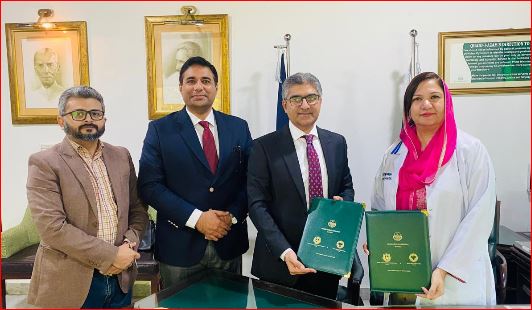




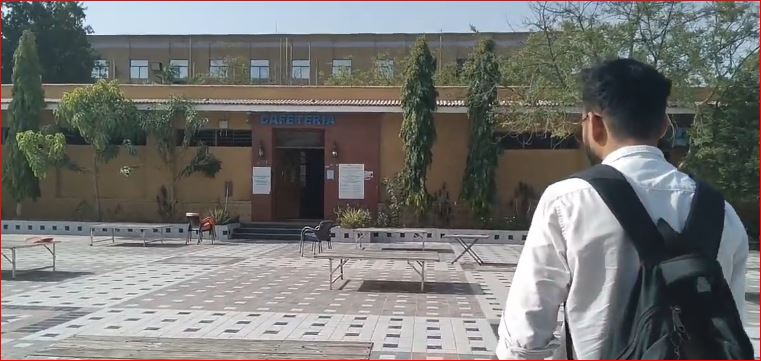
DOW UNIVERSITY OF MEDICAL HEALTH SCIENCES
Education is the cornerstone of national development, and in the field of health sciences, it assumes even greater importance. A healthy, educated population is essential for the sustainable growth and prosperity of any nation. Pakistan, recognizing the critical role of healthcare and medical education, has invested significantly in institutions that cultivate skilled professionals. Among these, Dow University of Health Sciences (DUHS) stands as a beacon of excellence, fostering education, research, and community service, thereby contributing to building the nation’s future. Since its inception, DUHS has not only provided quality education but also instilled values, critical thinking, and a sense of social responsibility among its students.
Founded in 1945 as Dow Medical College and later upgraded to a full-fledged university in 2003, DUHS has evolved into one of Pakistan’s premier institutions for medical and health sciences education. The university encompasses multiple faculties, including medicine, dentistry, nursing, biomedical engineering, public health, and allied health sciences, ensuring a comprehensive approach to healthcare education. This multi-disciplinary framework allows students to receive education that is not only academically rigorous but also socially relevant, preparing them to meet the diverse healthcare needs of the nation.
Commitment to Academic Excellence
One of the primary ways DUHS encourages education is through its unwavering commitment to academic excellence. The university maintains high standards in teaching, research, and clinical training. Students are exposed to an environment that prioritizes critical thinking, evidence-based practice, and continuous learning. DUHS employs highly qualified faculty members who are leaders in their respective fields, bringing both national and international expertise to the classroom. The faculty’s mentorship fosters intellectual curiosity and encourages students to push the boundaries of knowledge.
The curriculum at DUHS is designed to be comprehensive, integrating theoretical knowledge with practical experience. For medical students, this means early exposure to clinical settings, enabling them to apply classroom learning in real-world contexts. Nursing and allied health students benefit from simulation labs, workshops, and hands-on training, which develop their technical competence and confidence. By ensuring that students acquire not only knowledge but also practical skills, DUHS produces graduates who are ready to serve the nation’s healthcare needs effectively.
Research and Innovation as Pillars of Progress
Education at DUHS goes beyond textbooks and lectures. The university actively promotes research and innovation, understanding that breakthroughs in healthcare are essential for national development. DUHS has established dedicated research centers and laboratories, providing students and faculty with resources to explore new medical technologies, treatments, and public health strategies. The institution encourages students to participate in research projects from the undergraduate level, fostering a culture of inquiry and problem-solving.
Research at DUHS spans various disciplines, including infectious diseases, cardiology, oncology, genetics, and public health. By contributing to scientific knowledge, the university positions Pakistan on the global healthcare map and addresses pressing national health challenges. Students who engage in research learn to approach problems analytically, think critically, and develop solutions that can have tangible impacts on communities. This emphasis on research ensures that education at DUHS is dynamic, future-oriented, and directly linked to nation-building….

Community Engagement and Social Responsibility
DUHS does not view education in isolation from society. The university emphasizes community service and public health outreach as integral components of its educational mission. Students participate in health camps, vaccination drives, awareness campaigns, and rural healthcare programs, gaining firsthand experience in addressing the healthcare needs of diverse populations. This exposure cultivates empathy, social responsibility, and leadership skills, essential qualities for future healthcare professionals.
By engaging with the community, DUHS students learn to understand the social determinants of health, such as poverty, education, and access to medical facilities. This awareness equips them to design and implement interventions that improve public health outcomes. In turn, the nation benefits from a workforce that is not only academically competent but also socially conscious and committed to the betterment of society. In this way, DUHS bridges the gap between education and societal impact, reinforcing its role in nation-building.
Empowering Women in Healthcare
Another significant contribution of DUHS to education and national development is its focus on empowering women in the healthcare sector. Recognizing the importance of gender equity in professional education, DUHS provides an inclusive environment where female students can pursue careers in medicine, nursing, dentistry, and other health sciences without barriers. By promoting gender diversity, the university expands the talent pool of healthcare professionals and ensures that women play a central role in shaping the nation’s health sector.
Female graduates from DUHS have gone on to become leaders in hospitals, research institutions, and public health organizations, contributing significantly to both local and national healthcare systems. The empowerment of women in healthcare education is not only a social achievement but also a strategic investment in the nation’s future, as it maximizes human capital and fosters a more equitable society….

Global Collaborations and Exposure
In today’s interconnected world, education cannot remain confined within national borders. DUHS encourages students to gain international exposure through collaborations, exchange programs, and conferences. Partnerships with renowned global institutions provide opportunities for students and faculty to learn from best practices worldwide, adopt innovative medical technologies, and participate in global research initiatives. This exposure broadens their perspectives, enhances professional competence, and prepares them to tackle health challenges that transcend national boundaries.
By integrating global standards into its education system, DUHS ensures that its graduates are competitive on an international scale. Moreover, these collaborations facilitate knowledge transfer, enabling the nation to benefit from cutting-edge medical advancements and research. In this way, DUHS not only nurtures local talent but also strengthens Pakistan’s position in the global healthcare community.
Alumni Contributions to National Development
The true measure of an educational institution’s impact is reflected in the achievements of its alumni. DUHS has produced thousands of healthcare professionals who are actively contributing to Pakistan’s development. Graduates serve in hospitals, research centers, government health departments, and international organizations, improving healthcare delivery and public health outcomes. Many alumni have initiated their own healthcare ventures, charitable organizations, and health awareness campaigns, further extending the university’s influence on national progress.
These alumni act as role models, inspiring current students to pursue excellence and societal contribution. By fostering a culture of leadership, innovation, and ethical practice, DUHS ensures that its educational impact extends far beyond the classroom, shaping the healthcare landscape of the nation for decades to come.
Holistic Education and Leadership Development
DUHS emphasizes holistic education, recognizing that healthcare professionals must possess more than academic knowledge. The university integrates leadership training, communication skills, ethical decision-making, and teamwork into its programs. Students are encouraged to participate in extracurricular activities, student organizations, and community service initiatives. These experiences develop their interpersonal skills, resilience, and capacity to lead in complex healthcare environments.
By cultivating well-rounded professionals, DUHS contributes to building a future-ready workforce capable of addressing evolving national health challenges. Graduates are equipped not only to provide medical care but also to advocate for public health policies, manage healthcare institutions, and influence health-related legislation, thereby playing a crucial role in nation-building.
Conclusion
Dow University of Health Sciences exemplifies the transformative power of education in shaping a nation’s future. Through its commitment to academic excellence, research, community engagement, and holistic development, DUHS nurtures healthcare professionals who are skilled, ethical, and socially responsible. The university empowers women, fosters innovation, and cultivates global competencies, ensuring that Pakistan has a workforce capable of meeting both current and future health challenges.
By instilling knowledge, critical thinking, leadership, and a sense of duty towards society, DUHS does more than educate; it builds the foundation of a healthier, stronger, and more prosperous nation. Its graduates serve as catalysts for change, translating education into action and ideas into tangible progress. In doing so, Dow University of Health Sciences not only contributes to the personal growth of its students but also to the collective development of Pakistan, securing a brighter, healthier future for generations to come…..