








Visiting Point Michni Post: A Journey to History and Panoramic Beauty
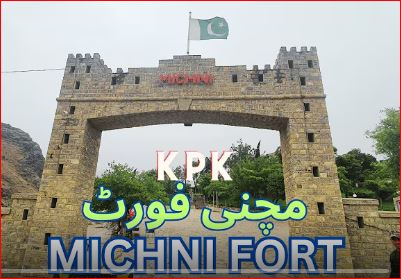
Nestled in the rugged, mountainous terrain near Pakistan’s northern border lies a location that is as historically intriguing as it is visually breathtaking: Point Michni Post. For travelers with an eye for history and a taste for adventure, visiting this post is a journey that intertwines natural beauty, military heritage, and a deep sense of connection to the region’s storied past. Located near the historic Torkham border, Point Michni Post is not just a military observation site—it is a living museum of strategic defense, a vantage point of staggering landscapes, and a quiet reminder of the challenges posed by geography and history alike.
Arriving at Point Michni Post is an adventure in itself. The journey begins with winding roads that snake through rugged hills, offering travelers glimpses of remote villages and stretches of untouched nature. As one ascends, the air grows crisp, carrying with it the scent of pine and earth, while the distant peaks of the mountains emerge through morning mist or afternoon haze. The terrain around Point Michni Post is steep and challenging, yet the anticipation of the view awaiting at the summit transforms every moment of the climb into an exhilarating experience.
At the post itself, the first feature that captures attention is the scale model of the pass. This model is not just a visual aid; it is a tangible story of strategy, engineering, and geography. It allows visitors to understand the military significance of the area, demonstrating how the natural contours of the mountains could be leveraged for defense or surveillance. Studying the model, one can appreciate the intricate planning that went into protecting this frontier. Every slope, every ridge, and every valley depicted in miniature tells a tale of vigilance, where terrain itself becomes a silent sentinel, guarding against potential invasions that were long feared during the British colonial period.
Surrounding the post, the landscape is punctuated by triangular cement tank traps, a striking reminder of the militaristic ingenuity of the era. These structures, built by the British, were designed to impede the movement of armored vehicles. They were part of a broader network of defenses constructed in anticipation of threats from the north—whether German, Russian, or other forces, as the colonial administrators once feared. The angular shapes of the tank traps contrast sharply with the organic curves of the mountains, a stark human imprint on an otherwise wild landscape. Walking among them, one can almost feel the weight of history, imagining the soldiers who once manned the post, vigilant against a threat that never materialized.
The panoramic view from Point Michni Post is, however, the true reward of the visit. Standing at the edge of the outpost, visitors are treated to a breathtaking vista that stretches across valleys, hills, and strategic installations leading down to the border post at Torkham. The terrain unfurls like a carefully plotted map, where every ridge, depression, and natural obstacle can be traced in the mind of a strategist. On clear days, the distant landscape seems to shimmer with a delicate haze, as though time itself has slowed, allowing the viewer to absorb the full scale of the frontier. The sight of the triangular tank traps scattered across the slopes adds a layer of historical depth to the view, merging natural beauty with man-made vigilance.
Visiting Point Michni Post is not just a visual experience—it is a journey through layers of time. The post itself has served as a strategic vantage point for decades, watching over a region that has been historically significant for trade, migration, and military strategy. From this high perch, it is easy to imagine the centuries of travelers, traders, and soldiers who have moved through these passes, navigating both the challenges of the terrain and the uncertainties of politics. Each glance toward the Torkham border evokes the interconnectedness of regions and peoples, highlighting how geography shapes human activity and historical outcomes.
( Visiting Point Michni Post: A Journey to History and Panoramic Beauty )
For those interested in military history, the site offers a fascinating case study in colonial-era defensive architecture. The triangular tank traps, in particular, are a testament to the ingenuity and foresight of military engineers who had to anticipate threats in a remote, harsh environment. These structures were designed to slow down or halt advancing vehicles, buying time for defenders stationed at posts like Michni to respond. Their presence today serves as a silent lesson in the importance of preparation, adaptability, and the constant interplay between human engineering and natural landscapes. Photography enthusiasts, in particular, find these geometric forms captivating, as the stark, angular shapes juxtapose beautifully with the flowing contours of the surrounding hills.
The model of the pass adds another layer to the visitor experience. It is detailed, yet accessible, allowing anyone—from a history enthusiast to a casual traveler—to understand the strategic importance of Point Michni Post. Observing the model, visitors can trace possible invasion routes, study the defensive placements, and appreciate how the natural environment was harnessed for tactical advantage. The model acts as a bridge between imagination and reality, making it easier to grasp the complexities of military strategy without needing years of formal training. It also provides a unique perspective on the scale of the landscape, reinforcing just how challenging it would have been to traverse these mountains under hostile conditions.
Beyond its historical and military significance, Point Michni Post offers a rare opportunity for reflection and immersion in nature. The crisp mountain air, the sound of the wind whispering through rocky outcrops, and the sweeping vistas all combine to create a sense of serenity. It is a place where one can pause to appreciate the vastness of the world, the resilience of human endeavor, and the quiet strength of the natural environment. Many visitors find themselves lingering here longer than planned, drawn by the hypnotic pull of the panorama and the subtle details revealed as the light shifts throughout the day. Sunrise and sunset, in particular, are magical times: golden rays highlight the contours of the hills and valleys, while shadows accentuate the sharp angles of the tank traps, creating a landscape that is both beautiful and historically resonant.
Reaching Point Michni Post also offers insight into local culture and the life of those who maintain security in this sensitive border area. Though access is controlled, interactions with local personnel reveal stories of dedication, resilience, and adaptation. These individuals live and work in a challenging environment, yet their commitment ensures that history is preserved and the post remains operational. Conversations with them provide context to the structures, the model, and the panoramic views, adding human warmth to what could otherwise be a purely visual experience.
For travelers, a visit to Point Michni Post is more than sightseeing—it is an educational experience. Understanding the historical context of the post, the strategic reasoning behind the tank traps, and the broader geopolitical considerations of the era enriches the visit exponentially. It encourages visitors to think critically about history, geography, and human ingenuity. It also serves as a reminder that even remote locations, far from urban centers, have played pivotal roles in shaping events and decisions that resonate far beyond their immediate surroundings….
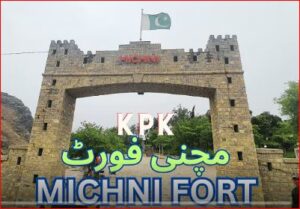
The journey to Point Michni Post can also inspire personal reflection and creativity. Many visitors describe a sense of perspective when gazing down toward Torkham and beyond: the realization that landscapes endure far longer than human conflicts, and that each ridge and valley carries stories waiting to be discovered. Writers, photographers, and artists often find themselves returning to this post, drawn by the interplay of history, geometry, and nature. Even those with no creative ambitions leave with a sense of awe and respect for the land and the people who have safeguarded it for generations.
In conclusion, visiting Point Michni Post is a multifaceted experience that combines adventure, history, natural beauty, and cultural insight. From the moment the journey begins along winding mountain roads to the first glimpse of the panoramic vista, every step immerses the traveler in a world where geography and human ingenuity converge. The model of the pass and the triangular cement tank traps serve as tangible reminders of the strategic importance of the site, while the sweeping view toward Torkham connects visitors to centuries of history and human endeavor. It is a place where one can reflect on the past, appreciate the present, and find inspiration for the future. For those willing to make the journey, Point Michni Post offers not just a view, but an experience—an encounter with history, nature, and the enduring power of perspective.
Visiting this post is not merely an excursion; it is a step into a living history book, a vantage point from which the stories of mountains, soldiers, and strategy unfold beneath the sky. Each moment spent at Point Michni Post—whether studying the model, wandering among the tank traps, or simply gazing at the sweeping panorama—is a chance to connect with a landscape that is at once formidable, beautiful, and profoundly meaningful. It is a journey worth making, a memory worth cherishing, and an experience that lingers long after the descent back into the valleys below…..