




“Six Pakistani Dramas That Accurately Portray Mental Health”
Television portrayals of mental health often face criticism for being either overly dramatic or misleading. While some dramas succeed in educating audiences about emotional and psychological challenges, others reinforce fear, stigma, or stereotypes. However, when mental health is depicted with research, balance, and empathy, it can play a powerful role in encouraging meaningful dialogue and breaking long-standing taboos.
At a time when Gen Z and Millennial audiences in Pakistan are increasingly open about therapy, emotional wellbeing, and neurodiversity, a handful of Pakistani dramas have stood out for their thoughtful and realistic treatment of mental health issues. These six productions, in particular, have been widely appreciated for their honest and nuanced storytelling.
Ishq Zahe Naseeb
In Ishq Zahe Naseeb, actor Zahid Ahmed delivers a standout performance as Sameer, a man diagnosed with Dissociative Identity Disorder (DID). The portrayal avoids sensationalism, focusing instead on the psychological trauma that shapes the character’s condition. Ahmed’s restrained performance ensures that the alternate personality, Sameera, is depicted with dignity rather than exaggeration, making the struggle feel authentic and deeply human.

Yeh Dil Mera
Featuring Ahad Raza Mir and Sajal Aly, Ye Dil Mera is considered one of Pakistan’s earliest psychological thrillers. The drama explores the impact of post-traumatic stress disorder (PTSD) through its central characters. As the narrative unfolds, themes of trauma, suppressed memories, and grief are gradually revealed, blending emotional depth with suspense and keeping viewers engaged without undermining the seriousness of the subject.

Aakhri Station
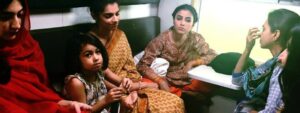
Created by Sarmad Khoosat in collaboration with the Kashf Foundation, the seven-episode mini-series Aakhri Station presents multiple stories of women confronting social injustice and psychological distress. Rather than focusing on clinical labels, the series examines how neglect, violence, and silence contribute to declining mental wellbeing. Its episodic format allows each story to stand on its own, amplifying voices that are often ignored.
Sabaat
Starring Mawra Hocane, Ameer Gilani, Usman Mukhtar, and Sara Khan, Sabaat integrates mental health themes into a broader exploration of relationships and personal growth. The inclusion of a psychiatrist character adds professional insight to the narrative. The drama touches upon emotional struggles, anxiety, grief, and personality challenges, portraying mental health as a natural part of everyday life rather than an isolated issue.

Ranjha Ranjha Kardi
With Iqra Aziz and Imran Ashraf in lead roles, Ranjha Ranjha Kardi earned praise for its sensitive depiction of Bhola, a character on the autism spectrum. The drama sheds light on how developmental conditions are often misunderstood in society. It also stresses the importance of proper medical care and awareness, challenging harmful beliefs rooted in superstition and misinformation.

Saraab
Saraab centres on Hoorain, portrayed by Sonya Hussyn, a young woman living with schizophrenia. The drama realistically illustrates her hallucinations and delusions while also showing the emotional strain faced by her family. It openly critiques society’s reliance on spiritual healers and unqualified advice instead of professional mental health support, making it one of the most direct commentaries on stigma and awareness in Pakistani television.

Conclusion
By prioritising empathy, realism, and research over shock value, these dramas have contributed to normalising conversations around mental health. Their responsible storytelling reflects the evolving mindset of audiences and supports discussions that many viewers are already having in their own lives.
Report Sabih Salik