




Pakistan Polio Eradication Programme
Pakistan Polio Eradication Programme
Poliomyelitis, commonly known as polio, is a highly infectious viral disease that mainly affects young children and can cause permanent paralysis or death. While most countries of the world have successfully eliminated polio, Pakistan remains one of the last few countries where the virus has not been completely eradicated. To address this critical public health challenge, the Government of Pakistan launched the Pakistan Polio Eradication Programme (PPEP), a nationwide initiative aimed at interrupting the transmission of the poliovirus and protecting every child from this preventable disease.
Background and Emergence of the Programme
Pakistan became a signatory to the World Health Organization’s Global Polio Eradication Initiative (GPEI) in 1988, the same year the global campaign was launched. At that time, polio was endemic in over 125 countries worldwide, paralyzing hundreds of thousands of children annually. Recognizing the devastating impact of polio on children, families, and the healthcare system, Pakistan committed itself to the global goal of eradication.
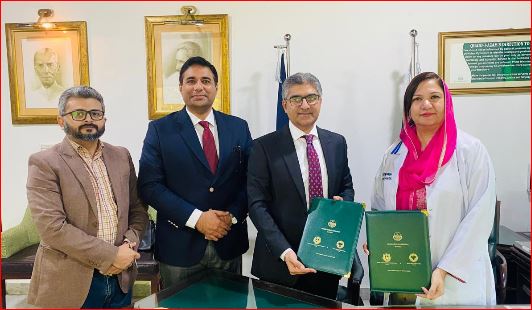
The Pakistan Polio Eradication Programme was formally structured as a collaborative effort involving the Government of Pakistan, provincial health departments, and international partners such as the World Health Organization (WHO), UNICEF, Rotary International, and the Bill & Melinda Gates Foundation. The programme operates under the leadership of the Ministry of National Health Services, Regulations and Coordination, ensuring coordination between federal and provincial authorities.
Objectives of the Pakistan Polio Eradication Programme
The primary objective of the Pakistan Polio Eradication Programme is to interrupt the transmission of the wild poliovirus across the country. To achieve this overarching goal, the programme focuses on several specific objectives:
Ensuring that every child under five years of age receives repeated doses of the oral polio vaccine (OPV).
Strengthening routine immunization systems to provide long-term protection.
Conducting effective disease surveillance to detect and respond to poliovirus cases quickly.
Engaging communities to address vaccine hesitancy and misinformation.
Protecting high-risk and mobile populations, particularly in border and conflict-affected areas.
Key Strategies and Components
The Pakistan Polio Eradication Programme employs a multi-pronged strategy designed to reach children in all geographic, social, and security contexts.
National Immunization Days and Supplementary Immunization Activities
One of the most visible components of the programme is the organization of National Immunization Days (NIDs) and Sub-National Immunization Days (SNIDs). During these campaigns, hundreds of thousands of trained polio workers go door-to-door to administer oral polio drops to children under the age of five, regardless of their previous vaccination status. These repeated vaccination rounds are essential because multiple doses are required to build strong immunity.
Routine Immunization Strengthening
In addition to mass campaigns, the programme emphasizes the importance of routine immunization through the Expanded Programme on Immunization (EPI). Strengthening routine services ensures that children receive not only polio vaccines but also protection against other preventable diseases such as measles, tetanus, and diphtheria.
Surveillance and Laboratory Network
A strong surveillance system is critical for polio eradication. Pakistan maintains an extensive Acute Flaccid Paralysis (AFP) surveillance system, which monitors cases of sudden paralysis in children to detect possible polio infections. Environmental surveillance, involving the testing of sewage samples for poliovirus, further enhances the programme’s ability to track virus circulation even in the absence of reported cases.

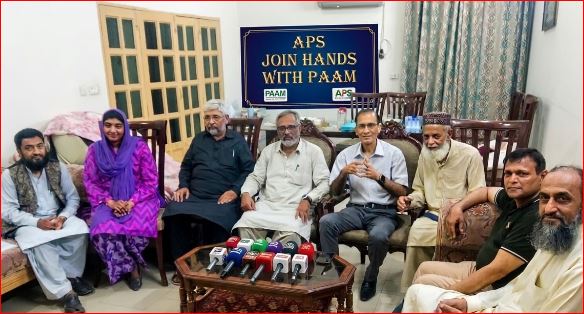
Vaccine hesitancy has been a significant challenge in Pakistan. To address this, the programme invests heavily in community engagement, working with religious leaders, teachers, local influencers, and civil society organizations. Social mobilizers educate families about the safety and importance of polio vaccination, counter myths, and build trust within communities.
Role of Frontline Workers
Frontline polio workers are the backbone of the programme. These workers, many of whom are women from local communities, face challenging conditions including difficult terrain, extreme weather, and security risks. Their dedication and perseverance have been instrumental in reaching millions of children across the country.
Challenges Facing the Programme
Despite significant progress, the Pakistan Polio Eradication Programme faces numerous challenges that have slowed the pace of eradication.
Security and Access Issues
Certain regions, particularly in border areas and previously conflict-affected zones, have posed security challenges for vaccination teams. Attacks on health workers in the past have disrupted campaigns and created fear among staff, although enhanced security measures have improved access in recent years.
Vaccine Hesitancy and Misinformation
Misinformation regarding polio vaccines, including false beliefs about infertility or religious prohibition, has led to refusals in some communities. Combating these misconceptions requires sustained communication efforts and trust-building at the grassroots level.
Population Movement
Frequent population movement, including internal displacement and cross-border travel with neighboring countries, increases the risk of virus transmission. Mobile and migrant populations are often missed during routine campaigns, necessitating special transit-point vaccination strategies.
Health System Limitations
Weaknesses in the broader healthcare system, such as inadequate infrastructure and workforce shortages, have also impacted the effectiveness of the polio programme. Strengthening the overall health system remains a critical long-term goal.
Achievements and Progress
Despite these obstacles, Pakistan has made notable progress. The number of polio cases has declined dramatically compared to the 1990s. Improved surveillance, better campaign quality, and increased political commitment have contributed to this progress. The programme has also developed innovative approaches, such as integrating polio vaccination with other health services, to increase community acceptance.
Furthermore, the infrastructure built for polio eradication has strengthened Pakistan’s capacity to respond to other public health emergencies. The trained workforce, surveillance systems, and data management tools have been used during outbreaks of other diseases and national health crises.
Role of International and National Partners
The success of the Pakistan Polio Eradication Programme depends heavily on strong partnerships. WHO provides technical guidance and surveillance support, UNICEF leads communication and social mobilization efforts, Rotary International advocates globally and raises funds, and other partners contribute financial and logistical support. At the national level, political leadership and coordination between federal and provincial governments have been essential in maintaining momentum.
Future Outlook
The complete eradication of polio in Pakistan is both a national responsibility and a global imperative. As long as the virus exists anywhere in the country, children remain at risk. The programme’s future success depends on sustained political commitment, community trust, protection of health workers, and continued investment in health systems.
Ending polio in Pakistan will mark a historic achievement, freeing future generations from a crippling disease and demonstrating the power of collective action in public health.
Conclusion
The Pakistan Polio Eradication Programme represents one of the most ambitious and complex public health initiatives in the country’s history. While challenges remain, the dedication of frontline workers, support from communities, and collaboration with global partners have brought Pakistan closer than ever to a polio-free future. With continued effort, innovation, and unity, the dream of eradicating polio from Pakistan can become a lasting reality…..
https://www.youtube.com/@jeeveypak/shorts