







A Project Of 16 Billions…..CPEC Couridoors
The morning sun stretched across the jagged peaks of the Karakoram Range, turning the snow-capped mountains into a dazzling spectacle of gold and silver. Down below, in the valleys of Gilgit-Baltistan, a quiet revolution was stirring—one that promised to transform this remote, rugged land into a bustling hub of commerce, culture, and innovation. The catalyst? The China-Pakistan Economic Corridor, or CPEC, a sprawling infrastructure project linking Gwadar Port in southern Pakistan to China’s western regions.
For decades, Gilgit-Baltistan was known mostly for its natural beauty: crystal-clear lakes, mighty glaciers, and one of the world’s most dramatic mountain ranges. But its economic potential remained largely untapped. Roads were few, industries were limited, and connectivity was a challenge. That began to change when CPEC entered the picture. The corridor’s investments weren’t just roads and bridges—they were lifelines. New highways carved paths through previously inaccessible valleys, fiber-optic cables brought high-speed internet to remote villages, and plans for industrial zones and tourism hubs promised jobs for the local population.
Ali, a young entrepreneur from Gilgit city, remembered the skepticism in his father’s eyes when he first suggested opening a boutique hotel. “Tourism? Here?” his father had asked, pointing to the jagged peaks outside their window. “People come for trekking and then leave. How can it support a business?” But Ali saw opportunity where others saw obstacles. With CPEC improving access to the region, tourists began arriving not just from Pakistan, but from across Asia and even Europe. Investors from China, attracted by the corridor’s promise, partnered with local entrepreneurs to build hotels, restaurants, and adventure tourism companies. By 2025, Ali’s boutique hotel was fully booked months in advance.
Infrastructure alone didn’t explain the transformation. CPEC’s development plan also emphasized energy projects. Hydropower plants and solar farms emerged across the valleys, providing affordable and reliable electricity for homes and businesses. For the first time, small industries such as food processing, handicrafts, and electronics assembly began to flourish. Local artisans, who had once sold their crafts to passing tourists, now had access to online marketplaces and regional distribution networks. Gilgit-Baltistan’s economy was no longer seasonal—it was diversifying, growing, and modernizing.
Education and technology followed the wave. New universities, vocational institutes, and technology parks were established, providing young people with the skills they needed to compete in a globalized economy. Mobile banking and fintech platforms expanded rapidly, allowing entrepreneurs like Ali to manage finances and reach customers far beyond the mountains. Slowly, the region’s image shifted from a remote tourist destination to a promising business and investment hub.
Culturally, the impact was equally profound. Gilgit-Baltistan, long known for its traditional festivals and rich heritage, now hosted international art exhibitions, music festivals, and cultural exchanges. High-end hotels catered to both tourists and business travelers, offering a taste of luxury previously unheard of in these valleys. The region, once a hidden gem, was becoming a symbol of what careful planning and investment could achieve.
Yet, the transformation was not without challenges. Environmentalists warned of overdevelopment in sensitive mountain ecosystems. Local communities expressed concerns about displacement and loss of traditional ways of life. Authorities faced the delicate task of balancing rapid economic growth with sustainable practices. But with CPEC’s guidance and community engagement programs, Gilgit-Baltistan worked to address these issues, aiming for development that respected both people and nature.
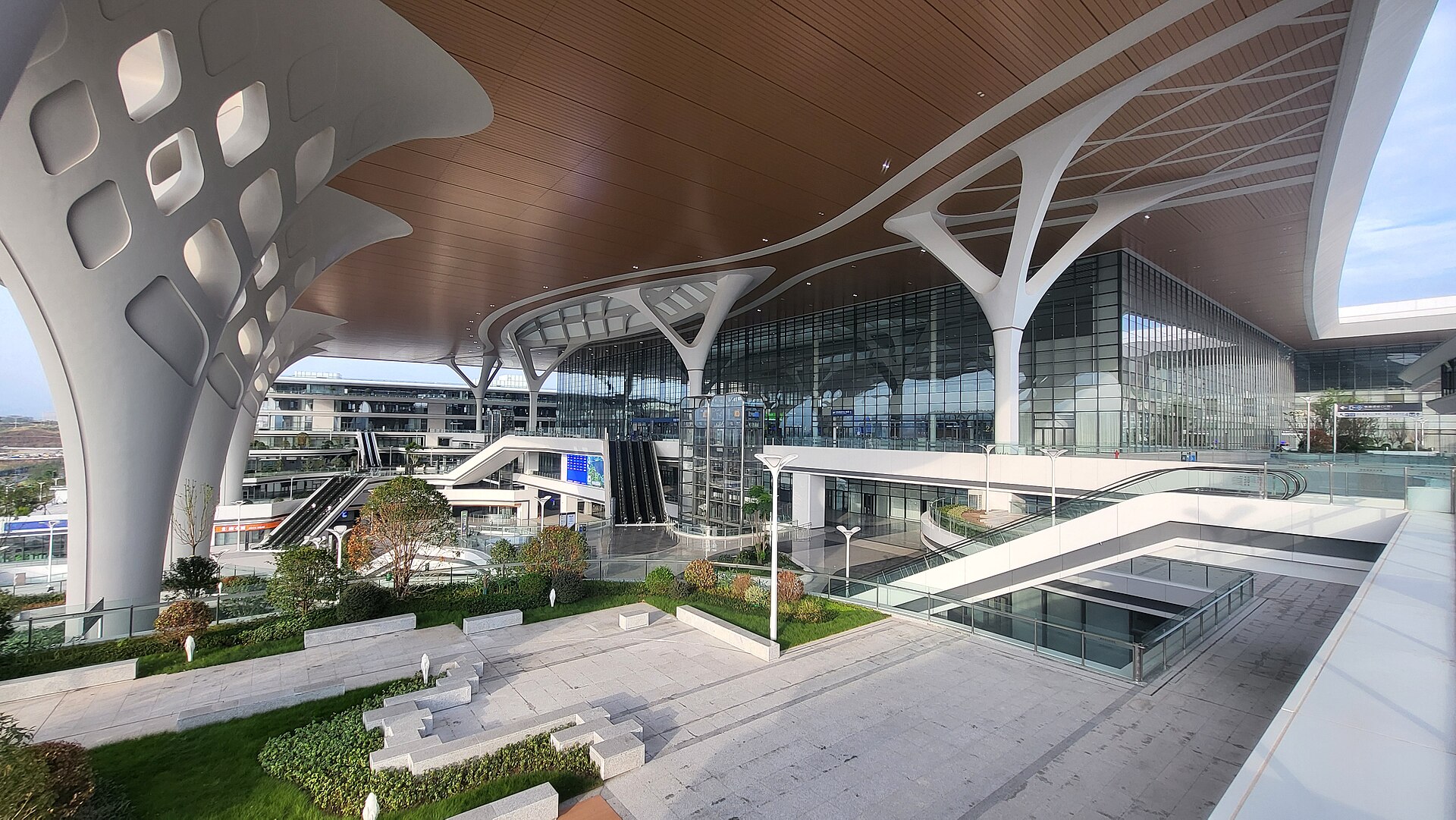
By the late 2020s, talk of Gilgit-Baltistan becoming “Asia’s next Dubai” was no longer just a dream. The region’s skyline had begun to change: modern high-rises interspersed with traditional architecture, luxury resorts overlooking pristine lakes, and bustling markets brimming with both tourists and locals. Traffic jams replaced dusty roads, and the hum of industry mingled with the sound of flowing rivers and glaciers.
For Ali, walking through the streets of Gilgit on a crisp winter morning, the change was almost surreal. The mountains, timeless and majestic, now framed a city alive with opportunity, ambition, and energy. “We are no longer waiting for the world to notice us,” he thought. “We are building it ourselves.”
CPEC had not merely built roads and bridges; it had built a vision. Gilgit-Baltistan, once remote and overlooked, was poised to shine as a center of commerce, culture, and innovation. Perhaps it wouldn’t be exactly like Dubai, but in its own way, with its mountains instead of deserts and its rivers instead of fountains, it was forging a new identity—a beacon of progress in Asia’s northwestern frontier.
And as the sun set behind the Karakorams, casting a golden glow over the city and valleys, it seemed to whisper a promise: the journey had just begun
https://www.youtube.com/@jeeveypak/shorts