








Cricketer Targeted by False Social Media Rumours, Highlights Growing Misinformation Problem
A former national cricket captain recently found himself at the center of a false social media report claiming he had passed away. The misinformation spread rapidly, leaving friends, fans, and even colleagues momentarily panicked.
The cricketer, who has known many in the cricketing community personally, received the distressing notifications while talking to a friend. “I immediately tried calling him,” said a close associate, “but there was no response. Even though we knew he was healthy, it was alarming.” Later, a phone call confirmed the truth: the player was very much alive and expressed frustration over the viral rumors.
“They’ve killed me today!” he reportedly said, laughing over the phone. “People don’t realize the effect such news can have on someone and their family. My phone hasn’t stopped ringing, and I’ve spent hours assuring everyone I’m alive.”
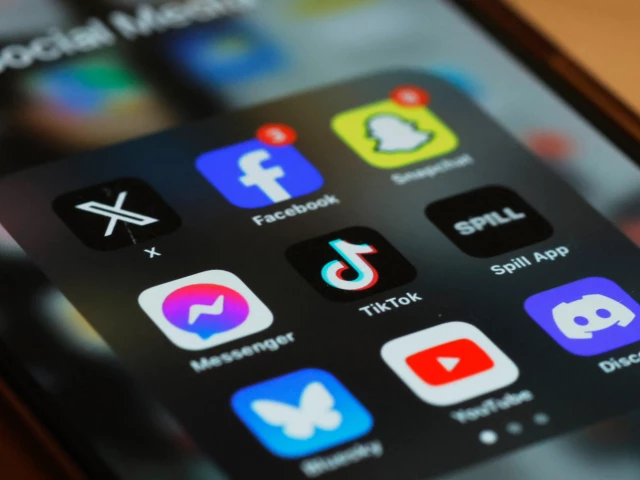
The situation worsened when another cricketer posted online claiming to have spoken to him, inadvertently amplifying the false news. This episode illustrates the paradox of social media: while it enables instant global communication, it also accelerates the spread of misinformation.
Experts note that the speed of information today, aided by AI-generated content and deepfakes, makes distinguishing truth from fiction increasingly difficult. Even verified social media accounts are not immune to impersonation. Fake profiles, manipulated quotes, and fabricated statements are now common tools used to generate attention or manipulate public opinion.
Media professionals warn that this trend is not limited to social platforms. In pursuit of clicks and engagement, some news outlets share unverified information, sometimes even creating false praise from international figures for local players. The consequences, however, are serious: public trust is eroded, and the line between fact and fiction blurs.
Journalists and sports authorities emphasize the importance of verification. “Always check the source before believing or sharing content,” a media expert said. “A blue tick is no longer a guarantee of authenticity. Reputation and credible sourcing matter more than ever.”
To combat this growing problem, suggestions include establishing centralized portals for sports news verification, stricter social media regulations, and permanent bans on accounts that repeatedly spread false information.
Until such measures are implemented, traditional media, with its verification processes and accountability, continues to play a crucial role in ensuring that the truth prevails.