
IS PAKISTAN CRICKET BOARD STILL THINKING FOR BOYCOTT ?
When Silence Roared: The Day PCB Considered Boycott
The morning Karachi woke up to the news, the air felt heavier than usual. It wasn’t the humidity or the sea breeze gone wrong—it was uncertainty. Television screens flashed a single line over and over again:
“Is Pakistan Cricket Board Considering a Boycott of the T20 World Cup 2026?”
No official confirmation. No denial. Just silence. And in cricket-loving Pakistan, silence was louder than a stadium full of chants.
Inside the Pakistan Cricket Board headquarters in Lahore, the mood was tense. Curtains were drawn, phones were buzzing, and faces that once celebrated victories now wore expressions of concern. The emergency meeting had been called at dawn. Board members, former cricketers, legal advisors, and government representatives sat around a long table, knowing that whatever decision was made here would echo far beyond cricket.
The issue had been building for months.
The ICC’s announcement of hosting arrangements for the T20 World Cup 2026 had reignited old wounds. While officially a global celebration of cricket, the logistical and political challenges surrounding Pakistan’s participation were anything but festive. Visa uncertainties, security concerns raised by certain boards, and what PCB officials quietly called “selective treatment” had pushed tensions to a breaking point.
PCB Chairman Ahsan Raza leaned back in his chair, rubbing his temples. He had seen pressure before—losing finals, hostile tours, angry fans—but this was different.
“This is not just about cricket anymore,” he finally said. “This is about respect.”
Around the table, heads nodded.
Pakistan had spent years rebuilding its image as a safe and competitive cricketing nation. International teams had returned. Stadiums were full again. Young players had emerged as global stars. Yet when it came to global tournaments, Pakistan still felt like it was playing an away game—even on neutral grounds.
One board member broke the silence. “If we accept these conditions again, we’re telling the world it’s okay to sideline us.”
“But a boycott?” another replied. “Do you know what that means for the fans?”
Outside the PCB building, fans were already gathering. Some carried flags. Others held posters that read “Cricket is our pride” and “Don’t isolate Pakistan.” Social media had exploded overnight. Former players were divided. Some urged resistance, calling it a moment of national dignity. Others warned of isolation and long-term damage….
In a small house in Multan, twelve-year-old Ali sat on the floor, gluing green stars onto his cricket bat. He had memorized Babar Azam’s cover drives and dreamed of watching Pakistan lift another world trophy. When he overheard the news on TV, he looked up at his father.
“Abu, if Pakistan doesn’t play, who will I support?”
His father had no answer.
Back in Lahore, the meeting dragged on for hours. Legal experts explained ICC clauses. Financial advisors warned of losses—broadcast deals, sponsorships, development programs. Coaches talked about players who had trained their entire lives for this stage.
And yet, something deeper lingered.
Former captain Saeed Malik, invited as a senior advisor, stood up slowly. The room fell quiet.
“I played in an era when politics decided where we could go,” he said. “I know what it feels like to be told you’re not welcome. But I also know this—cricket survives because people believe in it.”
He paused, looking around the room.
“If we boycott, let it not be anger. Let it be a statement—clear, dignified, and final.”
The chairman nodded. “Exactly. This isn’t about revenge. It’s about fairness.”
By evening, rumors hardened into headlines. International media speculated wildly. Some criticized PCB for “mixing sports with politics.” Others quietly acknowledged that Pakistan’s grievances weren’t entirely unfounded.
ICC officials reached out. Calls were made. Emails flew back and forth. Promises were hinted at but not guaranteed. Time was slipping.
That night, Lahore’s streets buzzed with debate. Tea stalls turned into talk shows. Every fan was suddenly an analyst. Some said boycott was necessary to force change. Others feared Pakistan would fade from the global stage.
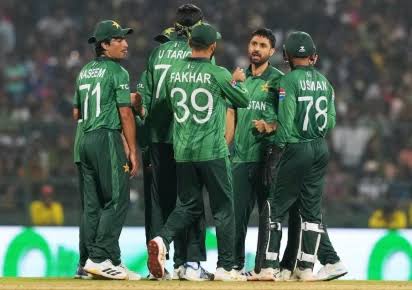
In the players’ camp, emotions ran high. The team captain addressed the squad.
“We train to compete with the best,” he said. “Wherever cricket is played, Pakistan belongs there. But we also carry the pride of millions.”
No one spoke. The weight of history sat on their shoulders.
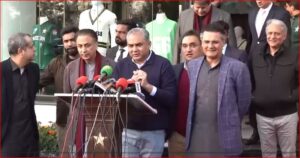
Two days later, the PCB called a press conference.
The nation held its breath.

“Pakistan cricket has always believed in unity through sport,” he began. “However, unity cannot exist without equality.”
He explained the concerns—logistics, treatment, respect. He emphasized dialogue, patience, and compromise.
Then came the line that would be replayed for weeks.
“Until assurances of fair participation are formally guaranteed, the Pakistan Cricket Board is prepared to consider all options—including non-participation.”
Not a full boycott. Not yet. But a warning.
The reaction was instant.
Fans were emotional. Some cheered the stand. Others wept at the thought of missing another World Cup. International boards responded cautiously. ICC promised renewed discussions.
For Ali in Multan, hope flickered again.
“Abu,” he said softly, “maybe they will listen now.”
His father smiled, unsure but proud.
The story didn’t end that day. Negotiations continued. Pressure mounted. Compromises were discussed. The cricketing world was reminded that Pakistan was not just a participant—but a pillar of the game.
Whether Pakistan would eventually play in the T20 World Cup 2026 remained uncertain. But one thing was clear: sometimes, the loudest statement in cricket isn’t made with a bat or ball.
Sometimes, it’s made by standing still—and refusing to be ignored….
https://www.youtube.com/@jeeveypak/shorts