


HBL and the Pakistan Super League: A High-Stakes Partnership Ahead of PSL 2026
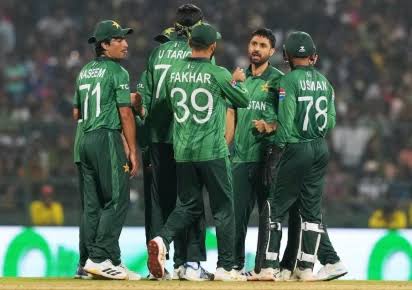
The Pakistan Super League (PSL) — officially branded as the HBL Pakistan Super League — enters its 11th edition in 2026 facing both huge opportunities and complex challenges. Central to this evolving landscape is the longstanding partnership with Habib Bank Limited (HBL), which continues to shape the commercial and cultural identity of the league. Yet, as the tournament expands and increases in global stature, debates have intensified about scheduling conflicts, strategic direction, and the broader implications of this title sponsorship.
HBL: More Than a Sponsor — A Pillar of PSL
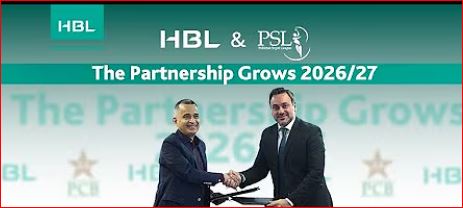
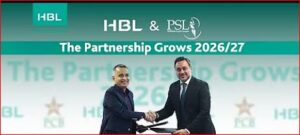
Since the PSL’s inception in 2016, HBL has been synonymous with the league, acting as title sponsor and strategic brand partner. Over the years, this relationship has grown from an early brand endorsement into a defining feature of Pakistan’s biggest sporting spectacle. HBL’s decision to renew its title sponsorship for PSL 11 and 12 was announced in late 2025, marking another significant commitment to the league’s future.
According to official statements, the latest renewal saw HBL exercise its contractual right to match the independently assessed fair market value for the sponsorship rights — a move that underscored the bank’s confidence in the PSL’s commercial potential and cultural significance. HBL’s executives emphasized that this isn’t just a financial deal but a strategic investment in youth, national pride, and global sporting culture.
Over the past decade, the value of the PSL title sponsorship has grown exponentially, increasing by over 500 % from its original valuation — a testament to both HBL’s faith and the escalating commercial appeal of Pakistan’s premier T20 competition.
PSL 2026: Expansion and Brand Evolution
The HBL PSL 11 season, set to be played from March 26 to May 3, 2026, marks a landmark expansion for the league. For the first time, the competition will feature eight teams, up from six in previous editions, signaling the PSL’s ambition to extend its footprint and offer more competitive cricket to fans at home and abroad.
This expansion followed a high-profile auction in January 2026, held in Islamabad, where new franchise rights were secured for the cities of Sialkot and Hyderabad. Enthusiasm around these additions was palpable, as bidders from across the business spectrum vied for ownership rights, hinting at the league’s growing commercial allure.
With these new teams on board, the PSL’s structure is reshaping — more matches, broader fan engagement, and enhanced commercial opportunities for sponsors like HBL. But this growth also introduces new strategic pressures, particularly when balancing commercial priorities with scheduling and brand coherence.
The Clash: PSL 2026 vs. IPL and Global T20 Calendars
One of the most controversial developments for PSL 2026 has been its scheduling. For the first time, the tournament directly overlaps with the Indian Premier League (IPL), arguably the world’s most lucrative T20 league. Both tournaments now vie for international attention and player participation in the critical March–May window.

This collision raises several strategic questions:
Commercial Impact: With two major T20 leagues running simultaneously, broadcast rights, sponsor visibility, and fan attention risk being diluted — a challenge for PSL’s brand partners like HBL, who must ensure their investment achieves maximum value.
Player Availability: The scheduling clash could affect the availability of marquee international players, who may be torn between IPL contracts and PSL commitments. This may influence team strategies, viewer interest, and overall competitiveness.
Global Audience Engagement: While PSL has a loyal global fanbase, especially among the Pakistani diaspora, conflicting schedules with the IPL could force audiences to choose between leagues, impacting ratings and revenue streams.
HBL, as the title sponsor, faces the delicate task of maintaining high visibility and strategic relevance amidst these competitive headwinds — an ongoing balancing act for Pakistan cricket administrators and commercial partners alike.
Corporate and Cultural Implications
Beyond pure commercial concerns, the intersection of HBL’s sponsorship and PSL’s growth reflects broader cultural narratives. The PSL has long been more than just a sporting event — it’s a national festival, showcasing emerging talent and celebrating Pakistan’s cricketing passion.
HBL’s sustained engagement communicates a message that corporate Pakistan remains deeply invested in this cultural phenomenon. Their extended sponsorship reinforces the idea that sports and corporate social engagement can intersect meaningfully, driving national pride while nurturing grassroots talent.
Yet, some critics argue that such deep corporate ties also raise questions about commercial influence over sporting priorities. For example, while HBL’s investment injects essential financial stability, it may also shape league decisions that prioritize marketability over competitive purity — a dynamic common in global franchise sports but still new to Pakistan’s sporting culture.
Looking Ahead: Challenges and Opportunity
As PSL 2026 approaches, several key themes will define its narrative:
Sponsorship Strategy: HBL’s role as title sponsor will be scrutinized not just for its financial heft but for how well the league converts commercial backing into sustainable growth, improved fan experiences, and global competitiveness.
Scheduling Innovation: The clash with the IPL highlights the need for smarter calendar planning that bolsters PSL’s distinct identity, mitigates competitive overlaps, and honours player welfare.
Franchise Expansion: New teams offer fertile ground for regional engagement, but franchise economics, team competitiveness, and fan loyalty will need continuous cultivation.
Global Ambitions: PSL must balance local cultural resonance with global sporting ambition — a challenge that requires strategic partnerships, thoughtful scheduling, and a strong commercial backbone.
Conclusion
The convergence of HBL’s long-term sponsorship and the PSL’s dynamic evolution ahead of the 2026 season illustrates both the promise and complexity of modern sports partnerships. As a defining force in Pakistan’s cricket landscape, HBL has helped elevate the PSL from a fledgling domestic competition into a globally recognized T20 tournament.
However, with expanding franchises, scheduling clashes, and increasing competition from other global leagues, the partnership must now navigate a more competitive and complex environment. For fans, sponsors, and players alike, PSL 2026 promises not only thrilling cricket but a reflection of how commercial ambition and sporting passion can coexist — and sometimes collide — in the modern era.
https://www.youtube.com/@jeeveypak/shorts