









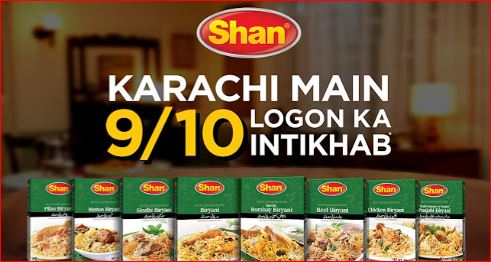
ENRICH DISHES WITH TYPICAL TASTE ONLY WITH SHAN MASALA….
The short answer is **no**—it is not *necessary* to have Shan Masala to make typical, traditional recipes. However, for many home cooks, especially those outside South Asia, it has become an indispensable shortcut that guarantees consistency and authentic flavor.
Shan Masala is a pre-packaged spice mix, popularized by the Pakistani brand Shan Foods. It offers blends for classics like *Chicken Karahi*, *Nihari*, *Biryani*, and *Haleem*. While incredibly convenient, traditional cooking predates such boxes by centuries.
The Traditional Argument: Whole Spices and Fresh Blends
Authentic South Asian cooking relies on the art of blending whole spices. A traditional *garam masala*, for example, is made by toasting and grinding cinnamon, cloves, cardamom, cumin, and black pepper right before use. This releases volatile oils and creates a layered, aromatic depth that no mass-produced powder can fully replicate.

Grandmothers and chefs in Lahore, Delhi, or Karachi typically use a mix of whole spices (jeera, dhania, sabut garam masala) and fresh ginger-garlic paste. They adjust ratios based on the meat’s quality, the season, or personal taste. In this context, Shan Masala is a modern convenience—not a heritage requirement. Using it would actually be seen as a deviation from the “typical traditional” method.
Why Many People (and Recipes) Rely on Shan
Despite this, Shan has become a staple in diaspora kitchens and even within Pakistan and India for several reasons:
1. **Consistency:** Traditional cooking requires instinct and practice. Shan guarantees that a beginner can produce a *Nihari* that tastes like a restaurant’s.
2. **Availability of Ingredients:** Many traditional recipes call for obscure spices like *kalpasi* (stone flower) or *pashmina* flower, which are hard to find outside of South Asia. Shan includes these in precise micro-doses.
3. **Time-Saving:** Toasting, grinding, and measuring ten different spices takes 15-20 minutes. Shan does it in seconds.
The Verdict: Preference, Not Necessity
If your goal is **“typical traditional recipes”** as made for generations in South Asian homes, Shan is **not necessary**. In fact, a traditional cook would consider it a shortcut, not a substitute. The true “necessities” are whole cumin, coriander, turmeric, red chili powder, garam masala (homemade or a simple unblended type), ginger, garlic, and onions.
However, if your goal is to replicate the specific **modern, standardized restaurant-style flavor** popular in urban Pakistan or to cook with 100% reliability without a pantry full of whole spices, then Shan is extremely useful.
**Conclusion:** You can make perfect, authentic *Chicken Karahi* without Shan—just use fresh tomatoes, ginger, green chilies, and whole spices. But if you open a Shan packet, you are making a Shan-style dish, not necessarily the “typical traditional” one. The former is a tribute to convenience; the latter is an art of patience. Neither is wrong, but only one is truly necessary for tradition.