







No Match: Pakistan vs India, T20 World Cup 2026
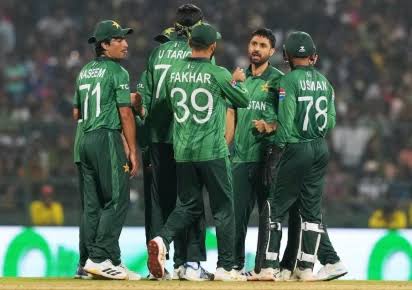
Few rivalries in world cricket carry the emotional weight, history, and global attention of Pakistan versus India. Whenever these two teams are scheduled to face each other, especially in a tournament as grand as the ICC T20 World Cup 2026, the cricketing world comes to a near standstill. Fans plan their days, broadcasters prepare for record-breaking viewership, and players feel a pressure unlike any other contest. Yet, in one of the most disappointing moments of the tournament, the much-anticipated Pakistan vs India clash ended with the simplest and most frustrating result in cricket: No Match.
The announcement of the match being abandoned sent a wave of disbelief across stadiums, living rooms, and social media platforms. After weeks of hype, analysis, and debate, there was no toss, no first ball, and no chance for either side to assert dominance. For a fixture that often defines World Cup narratives, the absence of play felt like a cruel twist of fate.
The primary reason behind the abandonment was relentless weather conditions. Despite modern drainage systems and flexible scheduling, nature once again proved to be an unbeatable opponent. Persistent rain left the outfield unfit for play, and after multiple inspections by match officials, the inevitable decision was taken to call off the game. While safety and playing conditions must always come first, the disappointment was unmistakable.
For fans, this result was especially painful. India vs Pakistan matches are more than just cricket games; they are emotional events that unite and divide millions at the same time. Streets empty, offices slow down, and families gather around television screens. The “No Match” result meant there were no heroic innings, no fiery spells, and no dramatic last-over finishes to relive for years to come. Instead, fans were left with highlights of rain clouds and covers on the pitch.
From a tournament perspective, the abandoned match had significant implications. Both teams were forced to share points, a result that could prove crucial in a tightly contested group stage. For Pakistan, known for their unpredictability and ability to rise in high-pressure encounters, the washout denied them an opportunity to gain psychological advantage over their arch-rivals. India, on the other hand, missed a chance to assert their consistency and depth in a format where momentum is everything.
Players from both sides expressed their disappointment but maintained professionalism in their reactions. Captains acknowledged the frustration while emphasizing that such situations are part of the game. Several players took to social media to thank fans for their unwavering support, assuring them that the team would come back stronger in the remaining matches. Still, the sense of an unfinished chapter lingered.
Critics and former cricketers weighed in soon after the abandonment. Many questioned scheduling decisions and venue selection, arguing that marquee matches like India vs Pakistan deserve extra buffer days or reserve options. Others pointed out that cricket, unlike many other sports, remains heavily dependent on weather, and not every disappointment can be engineered away. The debate reignited discussions about reserve days in T20 tournaments, especially for high-profile encounters.
The broadcasters and sponsors also felt the impact. India vs Pakistan fixtures are among the most commercially valuable events in world cricket. An abandoned match means lost advertising opportunities and reduced engagement, despite the massive pre-match buzz. It was a reminder that even the biggest sporting spectacles are vulnerable to factors beyond human control.
Yet, amid the disappointment, there was also a sense of unity. Fans from both nations shared similar emotions—frustration, sadness, and a longing for what could have been. In a rivalry often marked by intense competition, the shared disappointment became a rare common ground. Cricket, after all, thrives not just on rivalry, but on shared passion.
As the T20 World Cup 2026 moved forward, the “No Match” between Pakistan and India remained one of the tournament’s most talked-about moments, not because of what happened, but because of what didn’t. It served as a reminder of cricket’s unpredictability and the fine balance between human planning and natural forces.
In the end, while scorecards will simply record the match as abandoned, fans will remember it as a missed opportunity—a silent chapter in one of cricket’s loudest rivalries. And as always, hope remains that the next Pakistan vs India encounter will happen under clear skies, allowing the rivalry to be decided where it truly belongs: on the field.