






PAKISTAN INITIATIVES TO END POLIO
The launch of a new campaign under the Pakistan Polio Eradication Programme represents a renewed national commitment to eliminate one of the most persistent public health challenges facing the country. Polio, a highly infectious viral disease that mainly affects children under the age of five, can cause irreversible paralysis and even death. Although the disease has been eradicated from most parts of the world, Pakistan remains among the few countries where polio transmission has not been completely interrupted. Each campaign therefore carries great significance, symbolizing hope, responsibility, and collective action.
The Pakistan Polio Eradication Programme is a collaborative effort involving the Government of Pakistan, provincial health departments, international partners, and thousands of frontline health workers. When a campaign starts, it activates a vast network of resources and personnel across the country. From major urban centers to remote rural areas, vaccination teams are mobilized to ensure that every child receives the life-saving polio vaccine. The aim is simple yet demanding: to reach every child, without exception, regardless of geography, social background, or security challenges.
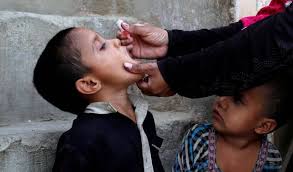
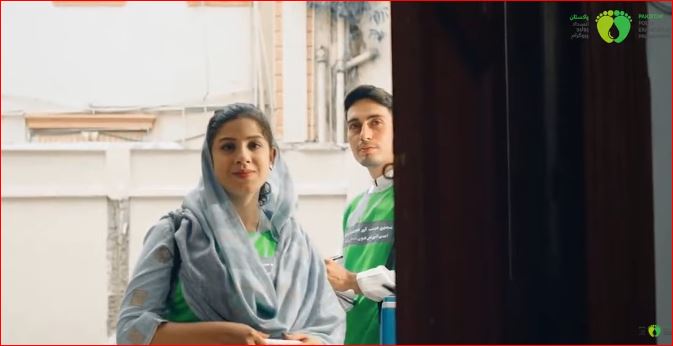
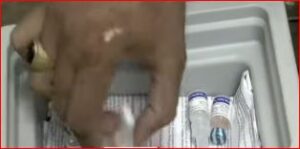
A key feature of the campaign is door-to-door vaccination. Trained health workers, often accompanied by community volunteers, go house to house to administer oral polio drops to children. This approach is especially important in Pakistan, where access to healthcare facilities may be limited in certain areas. By bringing vaccines directly to families, the programme reduces barriers and increases coverage. Transit vaccination points are also set up at bus stations, railway stations, and border crossings to vaccinate children on the move, ensuring no child is missed.
Community engagement plays a crucial role when a polio campaign begins. Public awareness activities are carried out through media, religious leaders, teachers, and local influencers to educate families about the importance of vaccination. Misconceptions and fears surrounding polio vaccines have, in the past, contributed to vaccine refusal in some communities. The campaign therefore emphasizes trust-building, clear communication, and respect for cultural values. Parents are reminded that repeated doses of the polio vaccine are safe and necessary to build strong immunity in children…
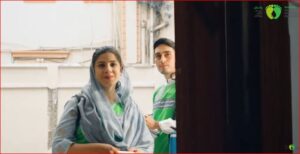
The start of a campaign also highlights the dedication of frontline workers. These individuals often work under challenging conditions, including extreme weather and security risks. Despite these obstacles, they continue their mission with commitment and courage. Their efforts are supported by supervisors, data collectors, and security personnel who ensure the smooth and safe execution of the campaign. Together, they form the backbone of the Pakistan Polio Eradication Programme.
Monitoring and accountability are essential components of the campaign. After vaccination rounds, teams assess coverage, identify missed children, and plan follow-up activities. This data-driven approach helps improve the quality of each campaign and addresses gaps in service delivery. Continuous evaluation ensures that strategies are adapted to changing circumstances, making the programme more effective over time.
The importance of starting a polio campaign goes beyond disease prevention. It reflects Pakistan’s commitment to child health, global health security, and international responsibilities. Polio eradication is not only a national goal but also a global one, as the virus can easily cross borders. By continuing to launch and strengthen these campaigns, Pakistan contributes to the worldwide effort to permanently end polio.
In conclusion, the start of a campaign under the Pakistan Polio Eradication Programme is a powerful reminder that the fight against polio is ongoing but achievable. Through coordinated action, community participation, and unwavering dedication, Pakistan moves closer to a polio-free future. Every campaign brings the country one step nearer to protecting its children from a preventable disease and securing a healthier tomorrow for generations to come….