


Pakistan’s Potential Boycott of a Match Against India in the T20 World Cup 2026
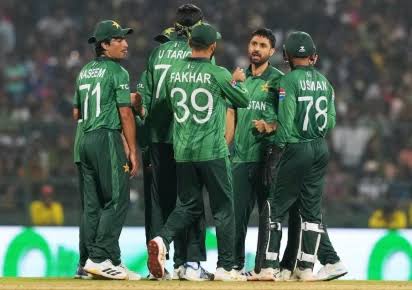
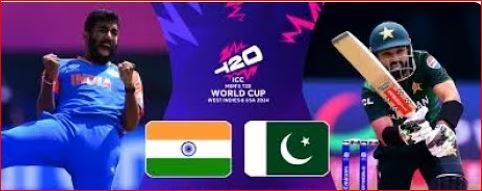
Cricket matches between Pakistan and India are among the most anticipated sporting events in the world. Beyond the boundary ropes, these encounters carry deep political, historical, and emotional significance. The discussion around a possible boycott by Pakistan of a match against India in the T20 World Cup 2026 has therefore sparked intense debate, raising questions about the intersection of sports and politics, the role of international cricket bodies, and the broader impact on fans and the game itself.
Relations between Pakistan and India have remained strained for decades due to unresolved political disputes, particularly concerning Kashmir, as well as recurring diplomatic tensions. These political realities have frequently spilled into the sporting arena. Bilateral cricket series between the two nations have been suspended for long periods, with matches now mostly confined to ICC tournaments. In this context, any talk of a boycott is not merely a sporting decision but a reflection of wider geopolitical challenges.
Supporters of a potential boycott argue that sports cannot be entirely separated from politics. They believe that participating in high-profile matches may be seen as normalizing relations at times when political tensions or humanitarian concerns remain unresolved. From this perspective, a boycott could be used as a symbolic protest, signaling dissatisfaction and drawing international attention to underlying issues. Advocates also argue that national sentiment and public opinion must be respected, especially when emotions run high on both sides of the border.
On the other hand, critics strongly oppose the idea of a boycott. They emphasize that cricket has historically served as a bridge between the two nations, offering rare moments of people-to-people connection. Matches between Pakistan and India allow fans to engage in healthy competition rather than hostility, and they provide a platform for dialogue, however limited. A boycott could deprive millions of fans of the joy of watching their teams compete and further reduce opportunities for sporting diplomacy.
From a sporting perspective, boycotting a World Cup match could have serious consequences for Pakistan cricket. The ICC operates under strict regulations, and refusing to play a scheduled match could result in penalties, points forfeiture, or even disqualification. Such outcomes would not only affect the team’s chances in the tournament but could also damage the country’s reputation within international cricket. Financial implications are also significant, as Pakistan–India matches generate enormous revenue for broadcasters, sponsors, and cricket boards.
The impact on players must also be considered. Cricketers train for years to perform on the world’s biggest stages, and World Cup matches against top rivals represent career-defining moments. Denying players this opportunity due to political decisions can be demoralizing and unfair, particularly when athletes themselves have little influence over diplomatic affairs.
Ultimately, the debate over a potential boycott highlights the complex relationship between sports and politics in South Asia. While political realities cannot be ignored, international sporting events like the T20 World Cup are designed to rise above national disputes and promote unity through competition. Rather than boycotts, many argue that engagement within the rules of international sport offers a more constructive path forward.
In conclusion, Pakistan’s possible boycott of a match against India in the T20 World Cup 2026 remains a deeply divisive issue. It reflects long-standing political tensions but also underscores the power of cricket as both a unifying and polarizing force. The challenge lies in balancing national principles with the spirit of the game, ensuring that cricket continues to inspire, connect, and entertain rather than become another casualty of political conflict.