









Mohenjo-Daro: A Marvel of the Ancient Indus Valley Civilization
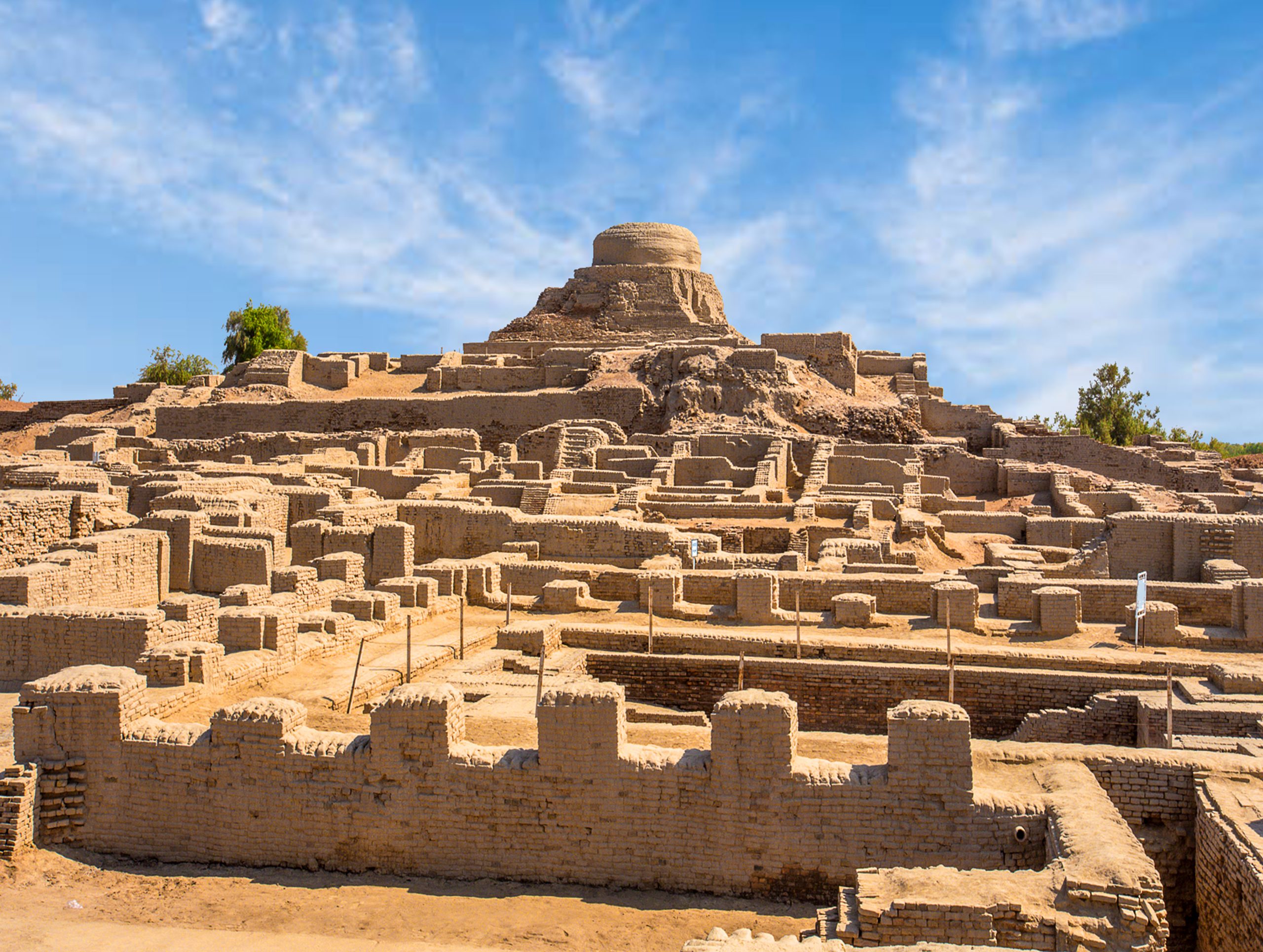
Mohenjo-Daro, located in the Sindh province of Pakistan, is one of the most important archaeological sites of the ancient Indus Valley Civilization. It dates back to around 2500 BCE and represents one of the earliest examples of advanced urban life in human history. The city reflects remarkable planning, organization, and engineering skills of its inhabitants.
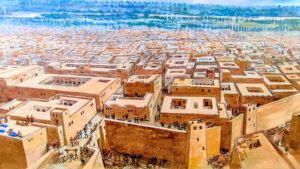
The most striking feature of Mohenjo-Daro is its well-planned layout. The city was built on a grid system with straight streets and well-organized residential blocks. Houses were constructed using standardized baked bricks, and many homes had private wells and bathrooms. An advanced drainage system ran beneath the streets, showing a strong emphasis on cleanliness and public health.
Mohenjo-Daro has also yielded a wide range of artifacts, including seals, pottery, tools, and sculptures. These discoveries provide valuable insights into the social, economic, and cultural life of the Indus people. The famous statue of the “Priest King” and the Great Bath highlight the religious and ceremonial importance of the site.
In recognition of its historical significance, Mohenjo-Daro was declared a UNESCO World Heritage Site in 1980. However, the site faces serious threats from environmental damage, climate change, and lack of proper maintenance. Despite these challenges, preservation efforts continue to protect this priceless heritage, which stands as a testament to the ingenuity and achievements of early human civilization.
Report/story: Sabih Salik