








Polio Campaign for Awareness in Public in Rural Areas of Pakistan
Polio, short for poliomyelitis, is a highly infectious viral disease that mainly affects young children and can cause permanent paralysis or even death. Although polio has been eradicated from most parts of the world, Pakistan remains one of the few countries where the disease is still endemic. One of the biggest challenges in eliminating polio from Pakistan is the lack of awareness, especially in rural areas. Therefore, polio awareness campaigns play a crucial role in educating the public, dispelling myths, and encouraging vaccination in rural communities.
Rural areas of Pakistan face many social, economic, and educational challenges. Limited access to healthcare facilities, low literacy rates, poverty, and traditional beliefs often prevent people from understanding the importance of polio vaccination. In many villages, people rely on local customs or misinformation spread through word of mouth. As a result, parents sometimes refuse to vaccinate their children, believing that the polio drops are harmful or against their religious or cultural values. This makes awareness campaigns essential for changing attitudes and saving lives.
The main objective of polio awareness campaigns in rural Pakistan is to inform people about what polio is, how it spreads, and how it can be prevented. Polio spreads through contaminated water and food, and poor sanitation in rural areas increases the risk of infection. Awareness programs educate communities about hygiene, clean drinking water, and the importance of repeated vaccination doses. These campaigns emphasize that polio has no cure, but it can be prevented through timely immunization.

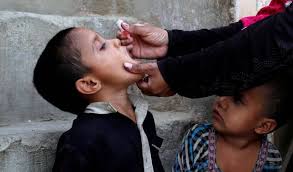
One of the most effective methods used in rural polio campaigns is door-to-door vaccination. Health workers, often accompanied by volunteers, visit every household to administer polio drops to children under the age of five. Along with vaccination, they also talk to parents, answer their questions, and address their fears. These personal interactions help build trust between the community and healthcare workers. In many cases, local lady health workers are involved because they are familiar with the community and can communicate more effectively with mothers.
Public awareness campaigns also use mosques, schools, and community centers as platforms to spread information. Religious leaders and local elders play a significant role in influencing public opinion in rural Pakistan. When respected figures support polio vaccination and speak about it during sermons or community gatherings, people are more likely to accept it. Awareness campaigns often collaborate with religious scholars to clarify that polio vaccination is safe, halal, and supported by Islam.
Media also plays an important role in spreading awareness, even in rural areas. Radio programs, mobile loudspeakers, posters, banners, and pamphlets are commonly used to reach people who do not have access to television or the internet. Messages are usually delivered in local languages so that everyone can understand them easily. Simple slogans and visuals are used to convey the message that “Two drops can save a life” or “Protect your child from lifelong disability.”
Despite these efforts, polio campaigns in rural Pakistan face many challenges. Security issues in certain areas make it difficult for health workers to carry out vaccination drives. In some regions, polio teams have faced resistance, threats, or violence due to rumors and misconceptions. Misinformation, such as claims that polio drops cause infertility or are part of foreign conspiracies, continues to hinder progress. Overcoming these challenges requires consistent awareness efforts and strong support from the government and local communities.
Another major challenge is poverty. Many families in rural areas struggle to meet their basic needs and may not prioritize healthcare. Awareness campaigns aim to educate parents that polio vaccination is free and provided by the government with the support of international organizations like the World Health Organization (WHO) and UNICEF. By emphasizing that vaccination is a basic right of every child, campaigns encourage parents to protect their children’s future.
Education is closely linked to awareness. Literate parents are generally more likely to understand the importance of vaccination. Therefore, long-term strategies to eliminate polio in rural Pakistan must include improving education, especially for women. Educated mothers are more aware of health issues and are more willing to cooperate with vaccination teams. Polio awareness campaigns often include sessions for mothers, teaching them about child health, nutrition, and disease prevention.

The government of Pakistan, along with international partners, has launched several initiatives to strengthen polio awareness in rural areas. National Immunization Days and Sub-National Immunization Days are organized regularly to ensure maximum coverage. Special attention is given to high-risk areas where polio cases are more common. Monitoring systems are also in place to track progress and identify areas where awareness is still low.
Community involvement is key to the success of polio campaigns. When local people become part of the awareness effort, the impact is much greater. Youth volunteers, teachers, and community leaders can act as ambassadors for polio eradication. Their involvement helps reduce resistance and creates a sense of shared responsibility. Awareness campaigns increasingly focus on empowering communities to take ownership of polio prevention.
In conclusion, polio awareness campaigns in rural areas of Pakistan are vital for the complete eradication of this deadly disease. While significant progress has been made, challenges such as misinformation, poverty, and lack of education still exist. Through continuous awareness efforts, community engagement, religious support, and effective communication, these challenges can be overcome. Polio eradication is not just the responsibility of the government or health workers; it is a collective duty of the entire society. By spreading awareness and ensuring that every child receives polio drops, Pakistan can move closer to a polio-free future and protect its children from lifelong disability……