






Nestlé Pakistan: A Story of Food, Farmers, Families — and a Nation in Motion
20th century, as Pakistan’s cities expanded and its markets modernized, a foreign brand quietly began to shape the way millions of people ate, drank, and thought about food. That story belongs to Nestlé Pakistan, a company that — for more than three decades — has become woven into everyday life for households from Karachi to Khyber, Lahore to Gilgit.
The Beginning: From Milkpak to Nestlé
The story begins in 1979 when a local company, Milkpak Ltd., was established in Pakistan with a focus on dairy — producing milk and cream that was much loved in Punjab and beyond. UHT (ultra‑high temperature) milk, cream, butter, and fruit juices were early staples. This local venture laid the groundwork for something bigger.
By 1988, Switzerland‑based Nestlé S.A. — already an established global leader in nutrition and food — took a stake in Milkpak. Two years later, in 1992, Nestlé had assumed full operational control and began to integrate Milkpak into its global family. Over time, the company shed its older name, eventually being renamed Nestlé Pakistan Ltd. and growing beyond dairy into nutrition, beverages, and bottled water.
Today, headquartered in Lahore and listed on Pakistan’s stock exchanges, Nestlé Pakistan has grown from a small dairy venture into one of the country’s leading food and beverages companies — a household name with products enjoyed by millions every day.
The Heartbeat: Products, People, and Nourishment
Nestlé Pakistan’s portfolio is a tapestry of brands, each with its own story:
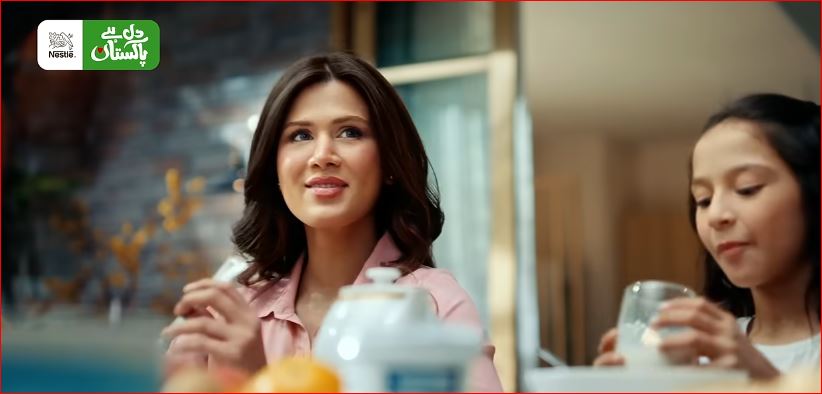
Nestlé Milkpak — a staple on breakfast tables, poured over cereal, used in tea, or enjoyed chilled.
EveryDay — the familiar tea‑whitener that has become synonymous with Pakistani chai culture.
Nido and Cerelac — nutrition products for growing children and infants.
Nestlé Pure Life — bottled water that made its debut in Pakistan in the late 1990s and later became one of the world’s leading bottled water brands.
Nescafé and Milo — beverages offering a quick pick‑me‑up or a nutrient‑rich drink.
These products touch countless moments: a mother pouring milk for her child before school, friends passing around a chilled soda at a gathering, workers reaching for a coffee to re‑energize during a long shift. What started with dairy has grown into a full nutritional and lifestyle portfolio designed to meet the diverse needs of consumers in every province.
But behind each product is a story of people: farmers rising before dawn to deliver fresh milk, lab technicians ensuring food safety, delivery drivers navigating winding roads to bring goods to remote towns, and marketers crafting campaigns that resonate with local culture. Nestlé Pakistan employs thousands across the country — from factory floors to corporate offices — and its operations ripple through countless communities.
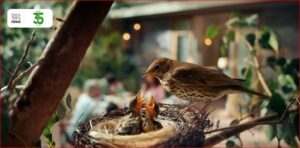
Roots in the Land: Milk Collection and Rural Links
One of the most remarkable chapters in the Nestlé Pakistan story isn’t about packaged food on shelves — it’s about the milk collection network that the company built across vast rural landscapes.
Faced with the challenge of providing consistent, quality milk for its products, Nestlé Pakistan invested in what became one of the largest milk collection systems in the country. Today the network spans thousands of villages, linking local farmers to an efficient cold‑chain system that preserves freshness even in hot weather. Thousands of small‑scale farmers deliver morning and evening milk to Nestlé’s chilling units, bringing them into the formal dairy economy and providing stable income opportunities.
This transformation of rural supply chains didn’t happen overnight. It was the result of sustained engagement: training farmers in hygiene practices, investing in infrastructure, building trust, and creating a system where quality and livelihood go hand in hand. While businesses thrive on profit, here was a deliberately shared value — where economic growth and social uplift worked together….

Growth and Success: Numbers that Speak
Nestlé Pakistan’s journey has been marked not just by products and stories, but by financial performance that reflects deep market penetration.
In recent years, the company reported record profits, with a profit after tax of over Rs 15 billion — the highest in its history — driven by growth across dairy, nutrition, and beverages. Revenues surged, dividends were declared for shareholders, and the company maintained its position near the top of Pakistan’s corporate leaderboard.
Nestlé’s success isn’t confined to domestic markets. The company exports a range of Pakistani‑made products — from Maggi noodles to bottled water and powdered milk — to neighboring countries like Afghanistan and Central Asia. These exports serve as a testament to Pakistan’s manufacturing capabilities and Nestlé’s confidence in local production standards.
Beyond Profit: Health, Education, and Shared Value
Nestlé Pakistan often highlights its commitment to Nutrition, Health & Wellness — core principles that go beyond sales and profit. Programs such as Nestlé for Healthier Kids (N4HK) have extended nutrition education to thousands of teachers and students across the country, promoting healthier eating habits in schools. In one year alone, the program reached tens of thousands of children through trained educators.
The company has also invested in environmental sustainability: renewable energy projects at its factories, regenerative agriculture initiatives, and efforts to reduce greenhouse gas emissions. These aren’t just corporate buzzwords — they reflect an understanding that food systems are deeply connected to environmental health, water security, and community livelihoods.
Controversies and Challenges: A Complex Narrative
No corporate story is without controversy, and Nestlé Pakistan’s journey has seen its share of intense debate.
In the 1990s and beyond, allegations emerged accusing the company of unethical marketing of infant formula — a flashpoint in global discussions about breastfeeding, corporate influence, and public health. These claims led to significant criticism and even inspired artistic portrayals of whistle‑blowers who challenged powerful interests.
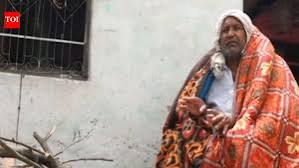
More recently, legal battles have highlighted labor rights issues, including the tragic case of a former employee who set himself on fire outside the Lahore High Court in protest over a prolonged dispute. His death in early 2025 sparked renewed dialogue about corporate accountability, worker protections, and the pace of justice.
Environmental concerns have also surfaced, with audits revealing large volumes of groundwater extraction for bottling operations — a contentious issue in a country where water scarcity is a growing national challenge. These episodes have called attention to the balance between commercial activity and public resource stewardship.
Critics in online forums have voiced strong views, some questioning product nutrition profiles, marketing practices, and environmental impacts — underscoring how global brands often become focal points for wider societal concerns. (These views reflect public sentiment in digital communities and require careful consideration in context.)
Looking Ahead: A Future in Motion
As Nestlé Pakistan moves deeper into the third decade of the 21st century, its narrative continues to evolve.
The company has set ambitious goals for export growth, aiming to significantly increase the value of products shipped abroad. It is also integrating more renewable energy sources into its production footprint, signaling a shift toward sustainability even amid economic headwinds.
At a domestic level, the company’s role in shaping dietary trends, retail landscapes, and food‑system infrastructure means that it…
will remain a major corporate presence whose decisions ripple into rural villages and urban centers alike.
Whether applauded for creating jobs and empowering farmers, or critiqued for corporate practices and environmental impacts, Nestlé Pakistan’s story is inseparable from the story of modern Pakistan — a narrative of growth, challenges, shared aspirations, and evolving expectations…..