






Polio Free Campaign in Pakistan
Polio, short for poliomyelitis, is a highly infectious viral disease that mainly affects young children and can cause permanent paralysis or even death. Although polio has been eradicated from most parts of the world, Pakistan remains one of the few countries where the virus has not been completely eliminated. Over the years, the Government of Pakistan, with the support of international organizations, has launched extensive polio-free campaigns to protect children and achieve a polio-free future. These campaigns represent one of the largest public health efforts in the country’s history.
Understanding Polio and Its Impact
Polio spreads primarily through contaminated water and food, and it attacks the nervous system. Children under the age of five are the most vulnerable. In severe cases, polio can lead to irreversible paralysis, particularly of the legs. There is no cure for polio; however, it can be prevented through repeated doses of oral polio vaccine (OPV) and inactivated polio vaccine (IPV).
In the past, polio caused widespread fear in Pakistan as thousands of children were affected every year. The disease not only caused physical disability but also placed emotional and financial burdens on families. Recognizing the seriousness of the issue, Pakistan joined the global initiative to eradicate polio and committed itself to nationwide vaccination campaigns.
Beginning of the Polio Free Campaign
Pakistan’s polio eradication efforts began in the 1990s in collaboration with the Global Polio Eradication Initiative (GPEI), which includes organizations such as the World Health Organization (WHO), UNICEF, Rotary International, and the Centers for Disease Control and Prevention (CDC). The goal of the campaign was simple yet challenging: to vaccinate every child under five years of age, repeatedly, until the virus was completely eliminated.
National Immunization Days (NIDs) were introduced, during which millions of children across the country were vaccinated within a few days. These campaigns involved massive planning, coordination, and mobilization of health workers, volunteers, and security personnel.
Role of Government and Health Workers
The Government of Pakistan has played a central role in leading the polio-free campaign. Federal and provincial governments established emergency operation centers to coordinate efforts, monitor progress, and respond quickly to outbreaks. Special focus was placed on high-risk areas where polio transmission was more common.
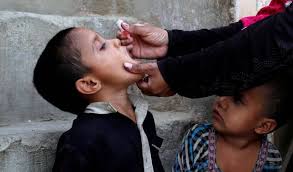
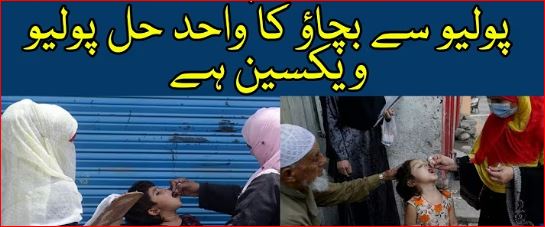
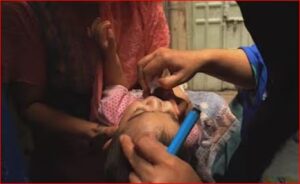
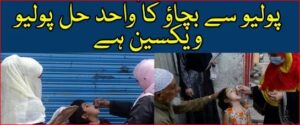
Frontline health workers are the backbone of the polio campaign. Thousands of trained vaccinators, many of them women, go door to door to administer polio drops. Despite difficult weather conditions, long working hours, and security challenges, these workers continue their mission with dedication. Their efforts have saved millions of children from lifelong disability.
Challenges Faced by the Campaign
Despite significant progress, the polio-free campaign in Pakistan has faced numerous challenges. One of the major obstacles has been misinformation and misconceptions about polio vaccines. In some communities, false beliefs and rumors led parents to refuse vaccination for their children. Misconceptions included fears that the vaccine causes infertility or is against religious teachings.
Security concerns have also posed serious challenges. In certain regions, polio workers have been targeted by extremist groups, making vaccination campaigns dangerous. To address this issue, the government has provided security escorts to vaccination teams and engaged community leaders to build trust.
Another major challenge is population movement. Migratory populations, refugees, and internally displaced persons often miss vaccination campaigns, allowing the virus to spread across regions. Poor sanitation and lack of clean drinking water further contribute to the persistence of polio in some areas.
Role of Religious and Community Leaders
To overcome resistance and misinformation, religious scholars and community leaders have played a vital role in supporting the polio-free campaign. Prominent Islamic scholars issued fatwas declaring polio vaccination permissible and necessary to protect children’s health. Mosques, schools, and local gatherings were used to spread awareness about the importance of vaccination.
Community engagement has proven to be one of the most effective strategies. When local influencers support the campaign, families are more likely to trust vaccinators and allow their children to receive polio drops.
Media and Awareness Campaigns
Media has played a significant role in promoting the polio-free campaign in Pakistan. Television, radio, newspapers, and social media platforms have been used to spread awareness messages. Public service announcements featuring celebrities, sports figures, and national heroes have encouraged parents to vaccinate their children.
Educational campaigns emphasize that polio drops are safe, free, and essential for a child’s healthy future. These messages help counter misinformation and reinforce the idea that polio eradication is a shared national responsibility.
Progress and Achievements
Over the years, Pakistan has made remarkable progress in reducing polio cases. Many regions that once reported high numbers of cases are now polio-free. Improved surveillance systems help health authorities detect and respond to cases more quickly. Environmental sampling of sewage water is also used to track the presence of the poliovirus.
The number of polio cases has significantly declined compared to previous decades, showing that the campaign is moving in the right direction. Each year, millions of children are vaccinated through routine immunization and special campaigns, bringing Pakistan closer to its goal of eradication.
Importance of Public Cooperation
The success of the polio-free campaign depends heavily on public cooperation. Parents play a crucial role by ensuring their children receive every dose of the vaccine. Even a single missed child can allow the virus to survive and spread.
Polio eradication is not just a government responsibility; it is a national duty. Teachers, parents, religious leaders, media professionals, and civil society must work together to protect future generations from this preventable disease.
Future Prospects and Hope
Pakistan stands at a critical stage in its fight against polio. With continued commitment, improved strategies, and strong community support, a polio-free Pakistan is achievable. Strengthening routine immunization, improving sanitation, and addressing vaccine hesitancy remain key priorities.
The determination of health workers, support from international partners, and growing public awareness provide hope for a future where no child in Pakistan suffers from polio. Eradicating polio will not only improve public health but also enhance Pakistan’s global image and contribute to a healthier, more prosperous nation…..