










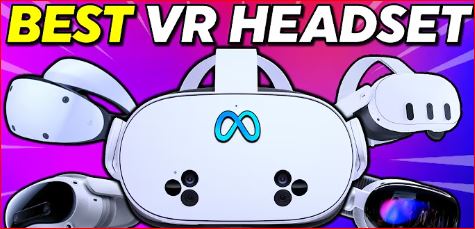
Virtual Glasses and the Gaming Culture of Today’s Generation
Virtual Glasses and the Gaming Culture of Today’s Generation
A New Kind of Reality
Virtual glasses—often referred to as VR headsets—allow players to experience games in first person, with 360-degree environments that respond to head movements, gestures, and sometimes even full-body tracking. For many young people, this feels like stepping inside the game rather than merely watching it. This shift changes not only how games are played but also how they are perceived. Instead of manipulating characters with buttons, players become the characters. Instead of observing fictional worlds, they enter them.
This immersive quality is one of the biggest reasons why today’s youth are drawn to VR gaming. It satisfies a deep desire for adventure, creativity, and exploration. Games that once required imagination to visualize are now rendered with stunning detail, from alien landscapes to futuristic cities to realistic simulations of sports, racing, or even outer space. This sense of presence—of “being there”—makes VR gaming a uniquely captivating experience.
Why Today’s Generation Loves VR Gaming
Several factors contribute to the growing popularity of virtual-glasses gaming among modern youth:
1. Immersion and Escapism
Life for teenagers and young adults can be stressful. Academic pressure, competitive environments, and constant connectivity can sometimes feel overwhelming. VR gaming provides an escape—a chance to enter worlds where rules are different, challenges are exciting rather than burdensome, and creativity has no limits. The total immersion offered by VR also helps players disconnect from daily worries and focus entirely on the present moment.
2. Social Interaction in New Forms
Contrary to the belief that gaming isolates people, many VR games are highly social. Platforms like VRChat, Rec Room, and various multiplayer VR titles allow players to meet, talk, collaborate, or compete with others from around the world. Through avatars, players can express themselves freely and connect based on shared interests rather than appearances or social status.
For today’s generation—accustomed to digital communication through social media—VR adds an extra layer of interactivity. Hand gestures, body movements, and proximity in virtual spaces create a sense of realism that texting or video calls simply cannot match.
3. Physical Engagement
One of the criticisms of traditional gaming is its sedentary nature. VR gaming often requires physical movement: swinging arms, dodging obstacles, leaning, jumping, or even full-body participation. Games like Beat Saber, VR sports simulators, and fitness-oriented titles turn gameplay into a form of exercise. This appeals to young people who enjoy staying active while still having fun and allows them to merge entertainment with physical wellness.
4. Creativity and Learning
Many VR platforms encourage creativity. Users can design their own worlds, build virtual objects, or even program interactions within VR spaces. Educational VR experiences also allow young learners to explore historical events, practice scientific experiments, or simulate professional tasks in a safe, controlled environment.
For today’s generation, who already grow up surrounded by technology, VR acts as another tool to express curiosity and imagination.
Transforming the Future of Gaming
The introduction of virtual glasses has completely changed expectations for gaming. Players no longer want static, repetitive experiences. They want games that are dynamic, interactive, and responsive. This has pushed developers to explore new forms of storytelling and gameplay.
One of the most significant transformations is the shift towards experiential gaming. Instead of completing levels or accumulating points, many VR games focus on conveying emotions, creating atmospheres, or guiding players through interactive narratives. Horror games feel more terrifying because the player is “inside” the situation. Adventure games feel more thrilling because players must physically move and make real-time decisions.
Additionally, VR has expanded gaming into areas such as:
Simulation training (e.g., flight simulators, medical procedures, job training)
Virtual tourism, allowing users to explore famous landmarks across the world
Therapeutic applications, such as treating phobias or assisting with rehabilitation
For today’s young gamers, VR is not just entertainment—it is a window into the future of digital experiences.
Advantages of VR Gaming for Youth
While the excitement around VR is often focused on novelty, its benefits are notable and wide-ranging.
Enhanced Cognitive Skills
VR gaming requires multitasking, spatial awareness, coordination, and quick decision-making. Many games also foster problem-solving skills, strategic planning, and memory development.
Improved Motor Skills
Because VR demands physical movements, players improve hand-eye coordination, reflexes, and even balance.
Increased Creativity
World-building games, artistic VR apps, and sandbox environments stimulate creativity by allowing players to create objects, characters, scenarios, or entire worlds.
Motivation to Exercise
Rhythm-based or sports-themed VR games often encourage players to move vigorously, making exercise more enjoyable.
Concerns and Challenges
Despite the excitement surrounding virtual-glasses gaming, there are concerns among parents, teachers, and health experts.
1. Excessive Screen Time
Extended use of VR can lead to headaches, eye strain, or dizziness. Maintaining healthy screen-time limits is essential.
2. Reduced Awareness of Real Surroundings
Because of its immersive nature, players may accidentally bump into objects or people. Designating a safe playing area is important.
3. Social Isolation
While VR can be social, it can also cause some individuals to retreat into virtual worlds, neglecting real-life responsibilities or relationships.
4. Cost and Accessibility
High-quality VR headsets can be expensive, making them less accessible to all families or communities.
5. Healthy Habit Formation
Young players must learn to balance VR gaming with study time, outdoor activities, and real-world social interactions.
A New Digital Culture
Today’s generation is growing up in a world where virtual and physical realities coexist more closely than ever before. Virtual-glasses gaming represents more than a technological trend—it is part of a cultural shift. Young people are learning, creating, and socializing in hybrid environments, blending digital experiences with real-life identity.
VR also fosters global connectivity. A teenager in India can play with someone from Canada or Japan and feel as if they share the same room. These interactions broaden cultural understanding and allow friendships to form across borders.
Conclusion
Virtual-glasses gaming has reshaped the entertainment landscape for today’s generation. It offers immersive adventures, new forms of creativity, enhanced social interactions, and even physical engagement. While it presents challenges—such as maintaining balance, ensuring safety, and managing screen time—its potential benefits are significant. As technology continues to advance, VR may become even more integrated into daily life, influencing how young people play, learn, and interact with the world.
Ultimately, virtual reality represents both an opportunity and a responsibility. It allows young people to explore limitless digital worlds but also requires guidance to use wisely. If embraced thoughtfully, VR gaming can be a powerful tool for fun, education, and innovation in the lives of today’s youth.