



Cricket Diplomacy : How Sri Lanka stepped in to rescue the India-Pakistan Cricket Clash – 2026 By Fazal Lafir.
In South Asia, Cricket has never been just a game. It is emotion, identity and at times, diplomacy played out under floodlights. That came to light at the recent World Cup clash between two arch rivals in the sub continent India Vs Pakistan. The rivalry between these 2 nations on the cricket field is more than just a sport – it is a spectacle that draws billions of viewers and carries deep political and cultural symbolism. Matches between these 2 neighbors have historically reflected not only sporting prowess but also undercurrents of diplomacy, tension and sometimes reconciliation.
The Boycott Threat and Diplomatic Impasse – in the lead up to the tournament, Pakistan’s Government announced a boycott of their match against India, a stance taken in solidarity with Bangladesh after that country withdrew from parts of the World Cup due to security reasons about playing in India. The boycott announcement sent shock waves throughout the cricketing world, more in particular among the “cricket-crazy” people of the subcontinent, threatening to derail one of the sports most valuable and eagerly anticipated fixtures – an encounter that historically generates massive global viewership and commercial revenue.
The impasse arose amid broader geopolitical tensions, and discussion over whether Pakistan should withdraw escalated beyond cricket boards into the spheres of national governments and cricket authorities. With fans around the world watching and economic stakes high, various stake holders sought ways to find a diplomatic solution.
Sri Lanka’s Role : Mediation Through Cricket Diplomacy – Recognizing both the sporting and diplomatic significance of the India-Pakistan fixture, the President of Sri Lanka, His Excellency, Mr Anura Kumara Dissanayake, took an active role in breaking the deadlock. Rather than remaining a passive co-host, Sri Lanka engaged diplomatically – with the President personally calling Pakistan’s Prime Minister, Honorable Mr Shehbaz Sharif, to urge him to reconsider the boycott and allow the match to go ahead as scheduled.
A Testament to the Power of Sports
According to statements from the Pakistan Cricket Board (PCB) Chairman Mr Moshin Naqvi, that intervention was pivotal. Mr Naqvi publicly credited President Dissanayake with “saving” the match, saying the leadership was divided (“50-50”) on playing until Sri Lanka’s President intervened by directly speaking to the Pakistani Prime Minister. Mr Naqvi thanked him for ensuring that the game which would entertain billions of cricket fans, proceeded as scheduled.
The backing from Sri Lanka and Bangaladesh – both co-hosts of the tournament helped convince Pakistan to reverse its boycott decision. The International Cricket Council (ICC) and the respective national boards were also involved in negotiations, but Sri Lanka’s Diplomatic Push became a defining moment of what is now being referred to a “Cricket Diplomacy” – the use of Sport as a bridge in times of diplomatic strain.
On social media, President Mr Anura Dissanayake expressed his gratitude to Pakistan’s Leadership for agreeing to reconsider their stance, while emphasizing Sri Lanka’s desire to keep Cricket & Friendship at the heart of the World Cup experience.
Facing off on neutral ground – when the match finally took place on February 15, 2026, at Colombo’s R Premadasa Stadium, it was marked by intense competition on the field with India winning by 61 runs and cooler formalities off it, with traditional gestures like handshakes skipped amid underlying political tensions. Nevertheless, the game went ahead, preserving both the tournament’s integrity and its economic impact.
Cricket beyond Boundaries – the episode highlights how Cricket, especially in the South Asian region, transcends sports and plays a role in diplomacy. Sri Lanka’s leadership demonstrated how a neutral nation can mediate and de-escalate tensions by appealing to shared cultural and sporting values. In an era when political strains often dominate narratives between India and Pakistan, this diplomatic effort underscored the power of cricket to open channels of communication where other avenues may falter.
As global attention turns to future events, the 2026 T20 World Cup, the India-Pakistan match in Colombo will be remembered not just for the action on the pitch, but for Cricket Diplomacy, guided by Sri Lanka’s initiative, ensured one of the games finest iconic rivalries continued to be played by the “Domain of Diplomacy”
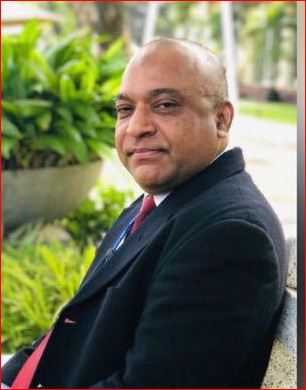
Secretary General. SRI LANKA PAKISTAN FRIENDSHIP ASSOCIATION. Email – “fazlaf@gmail.com”