









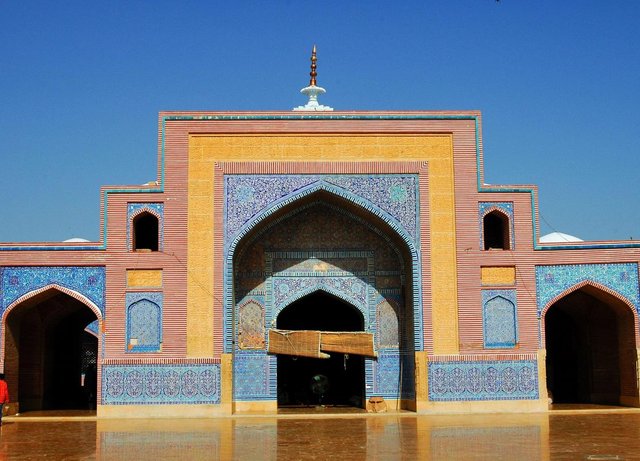
Shah Jahan Mosque, Thatta: A Masterpiece of Mughal Architecture
The Shah Jahan Mosque, located in the historic city of Thatta, Sindh, stands as a remarkable example of Mughal architectural brilliance and Islamic heritage. Built in the 17th century during the reign of Emperor Shah Jahan, the mosque reflects the artistic vision of an era renowned for its architectural excellence.

The mosque is celebrated for its intricate glazed tile work, expansive courtyards, and distinctive red brick construction. Its walls and ceilings are adorned with elegant calligraphy and geometric designs, representing a harmonious blend of Persian, Central Asian, and Indian architectural influences.
One of the most extraordinary features of the Shah Jahan Mosque is its acoustic design, allowing sound to travel effortlessly beneath its grand domes. This architectural precision enhances the spiritual atmosphere, making the mosque not only a place of worship but also a center for cultural and religious gatherings.
Designated as a protected heritage monument, the Shah Jahan Mosque remains a powerful symbol of Sindh’s rich Islamic legacy. It continues to attract visitors, historians, and scholars from around the world, standing as a timeless testament to the artistic and cultural achievements of the Mughal era.
Report Sabih Salik