






Who Will Become Hero ? … Is Bangladesh Boycotts T20 Worldcup 2026 ?
The sun broke over Ahmedabad on a cool February morning, painting the world’s largest cricket stadium — the Narendra Modi Stadium — in hues of orange and gold. It was February 7, 2026: the day when the world’s fastest format of cricket would roar back into life, bringing with it dreams, rivalries, heartbreaks and pride — the start of the ICC Men’s T20 World Cup 2026.
Twenty nations had journeyed across continents — from the rolling plains of Zimbabwe to the skyscraper backdrops of the United States, from the dusty cricket fields of Nepal to the packed stadiums of England — all bound for one goal: to lift the T20 World Cup trophy. This edition promised global representation like never before, featuring traditional powerhouses and rising stars alike.
The Stage is Set: India and Sri Lanka as Hosts
India and Sri Lanka, two cricket‑mad nations with rich histories, were chosen as co‑hosts. The group stages would be contested across eight iconic venues — five in India and three in Sri Lanka — including Chennai’s MA Chidambaram Stadium, Kolkata’s Eden Gardens, Colombo’s R. Premadasa Stadium, and Kandy’s Pallekele Stadium.
The spectacle was grand in scale: 55 matches, four groups of five teams, top two from each progressing to the Super 8s, and the best four ultimately contesting knockouts for the crown. The final was scheduled at the Narendra Modi Stadium in Ahmedabad on March 8 — but rumours swirled that if Pakistan reached the final, the stage might shift to Colombo due to diplomatic and security sensitivities.
A Carnival of Nations
The line‑up of teams was a blend of legacy and opportunity. Alongside traditional giants like India, Australia, England, South Africa and West Indies, emerging sides such as Italy, Nepal, Canada, Namibia, and the UAE took their place on the world’s biggest T20 stage. For Italy, it was a maiden appearance, a testament to how far the game had travelled beyond its old strongholds.
India entered as defending champions, having captured the 2024 T20 World Cup in a dramatic final. Their fans, known for fervour unmatched anywhere else, dreamed of back‑to‑back triumphs on home soil. India’s first game was set against the United States in Mumbai — a symbolic clash of cricketing heritage versus the sport’s newest frontier.

Cricket and Politics: Off‑Field Storms
But the road to glory was not without turbulence. In an unprecedented twist, Bangladesh raised serious concerns about traveling to India for their matches, citing security and political challenges. The Bangladesh Cricket Board’s stance sparked diplomatic friction that rippled through the tournament preparations.
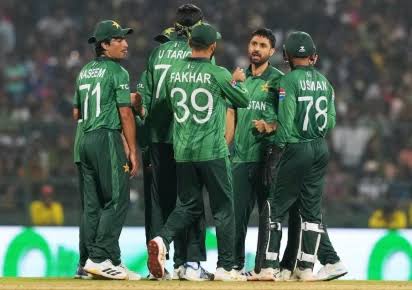
Pakistan, sensitive to the situation, announced it was reviewing its own participation, halting preparations in quiet support of Bangladesh’s position. The Pakistan Cricket Board’s decision sent shockwaves through the cricketing world — could one of the most passionate cricket nations pull out of the World Cup altogether?
Speculation ran wild: would Scotland be drafted in as a replacement? Could fixtures be rearranged to appease all parties? Would this political storm overshadow the sport’s biggest festival? The answers lay only weeks away, and the cricket fraternity held its breath.
Heroes and Heartbreaks: Personal Stories
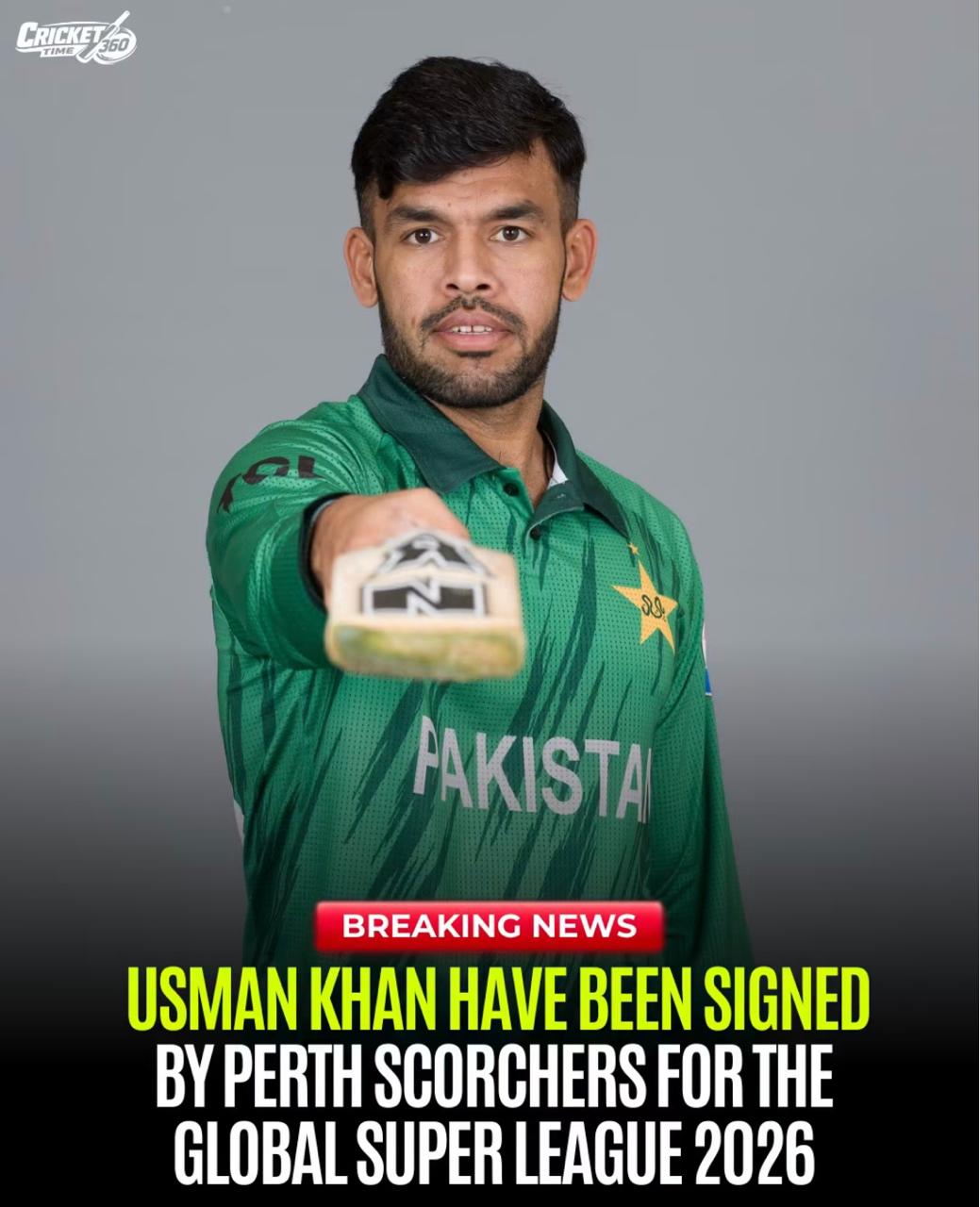
In the heart of Lahore, Pakistan’s captain spoke with quiet determination. His team had already booked its berth through rankings, and players from Shaheen Shah Afridi to Babar Azam had been preparing for months for the World Cup’s cauldron. Yet, every training session was fraught with uncertainty as government decisions and diplomatic cables shaped their destiny as much as any bowling attack or batting lineup.
Across the Arabian Sea in Mumbai, India’s squad struck a different chord. The team, a blend of exhilarating youth and seasoned stars, thrummed with confidence. Suryakumar Yadav, the T20 specialist known for audacious shots, talked about the “stupefying energy” of playing at home, while the seasoned veterans spoke of legacy and national pride.
Far from the limelight, Italy’s squad, composed of part‑time cricketers and passionate caretakers of the sport, savoured every moment. For them, this World Cup was more than competition — it was a story to tell future generations about representing their nation in the highest arena.
Nepal’s qualification was another fairy‑tale chapter. After hard‑fought regional qualifiers, their players — cheered on by thousands of supporters halfway across the world — saw this tournament as validation of cricket’s spread far beyond old Commonwealth roots.
Match Day: The Heartbeat of a Nation
On February 7, stadiums in Colombo and Mumbai buzzed with electricity. Pakistan’s opener against the Netherlands kicked things off, followed by a thrilling West Indies–Bangladesh contest. In Mumbai, India’s clash with the USA drew tens of thousands — an event that felt more like a festival than a match.
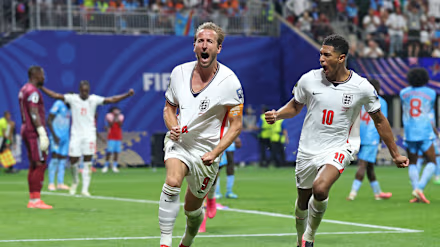
The opening weekend was a whirlwind of six simultaneous games, each with its own storyline: England chasing down impossible totals with fearless hitting, Namibia taking Australia to the wire, Italy’s captain leading from the front with gritty scores, and young talents from Canada stunning the fans.

In Chennai, a packed crowd witnessed a sensational India vs South Africa encounter. The stadium roared with every Yorker and six, every diving stop and boundary. The ebb and flow of twists reminded everyone: in T20 cricket, no result is certain until the very last ball.
Super 8s, Semis and the Final Stretch
As the group stage gave way to the Super 8s, tension mounted. Cricket pundits analysed every missed run, every dropped catch, and every clever tactical twist. The battle for supremacy was fierce: teams fought not just for wins but for net run rates and strategic advantages, knowing that semifinals awaited only the best. The cricketing gods seemed to delight in close finishes and breathtaking heroics.
Fans watched late into the night, past rivalries and post‑match analyses, forging lifelong memories with each dramatic over. The Super 8 stage produced upsets and confirmations — established powers clashing with hungry underdogs — until only four remained.
The semifinals were played under lights that shimmered like stars, as teams from opposite sides of the world battled for cricket’s ultimate prize. In Ahmedabad, with a crowd of over 100,000 buzzing like a living organism, the first semifinal saw a nail‑biting finish. Across the sea in Colombo, another epic unfolded — one which decided which side would have the chance to challenge for the trophy.
March 8, 2026 — The Day of Destiny
The final day dawned in Ahmedabad with palpable excitement. Flags and chants filled every corner of the magnificent stadium. Whether it was India or a resurgent underdog, fans knew they were witnessing history.
The final match — a roller‑coaster of momentum swings — echoed with emotion. Batsmen danced down the pitch, bowlers executed yorkers with surgical precision, and fielders flew through the air in athletic displays.
In the end, as the winning runs were struck and the champions crowned, it wasn’t just about victory. It was about the spirit of cricket that endured political tension, global challenges and the raw pressure of World Cup competition. It was about the crowd chants, the nervous glances at scoreboards, and the roar that united millions.
Aftermath and Legacy
The T20 World Cup 2026 was more than a tournament. It was a story of unity and conflict, triumph and trials. It brought the world together for one month of unforgettable moments, shared across borders and broadcast to every continent.
And as teams packed their bags, fans celebrated with songs and flags, and future stars dreamt of the next World Cup — one thing was certain: the spirit of T20 cricket was alive and exploding with possibilities.