




A Special Lecture at Rajshahi University on ‘The Relevance of Iqbal’s Poetry for the New Generation in the Twenty-First Century’
BanglaUrdu LiteraryForum
A Special Lecture at Rajshahi University on ‘The Relevance of Iqbal’s Poetry for the New Generation in the Twenty-First Century’
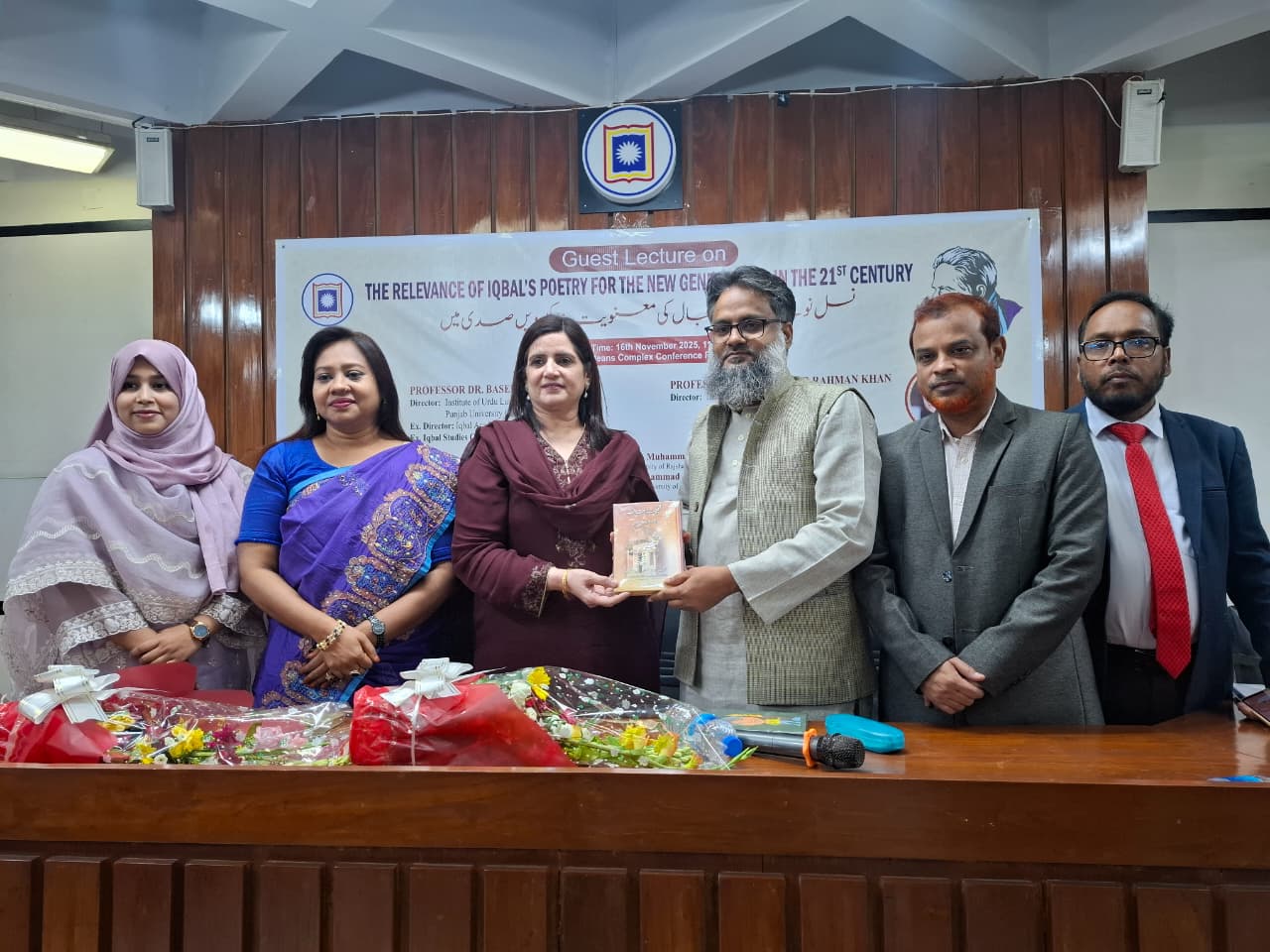
BULF Correspondent: A special guest lecture on the enduring relevance of the timeless poetry of the subcontinent’s celebrated poet, philosopher, and visionary, Allama Muhammad Iqbal, was held at the University of Rajshahi (RU). Organized by the Department of Urdu, the event took place on November 16, 2025, at the Dean’s Complex Conference Room. The central theme of the lecture was “The Relevance of Iqbal’s Poetry for the New Generation: In the 21st Century.” The speakers shed light on Allama Iqbal’s philosophy of ‘Khudi’ (Selfhood), the aesthetic beauty of his poetry, and his visionary thought for the awakening of the Muslim Ummah.
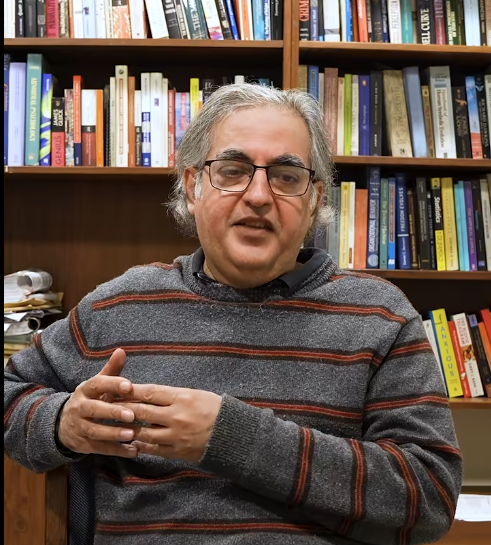
Delivering her address as the keynote speaker, Professor Dr. Baseera Ambreen, Director of the Institute of Urdu Language and Literature at Punjab University Oriental College, Pakistan, and former Director of the Iqbal Academy Pakistan, emphasized that Allama Iqbal’s poetry is not merely literature but a complete philosophy of life. She also elaborated on the aesthetic dimensions of his poetic works.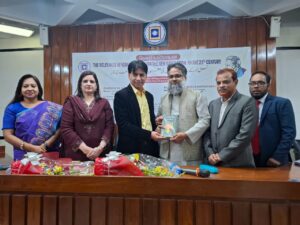
Dr. Ambreen stated, “In this era of the 21st century, the young generation is adrift in the powerful currents of Western materialistic philosophy and moral decay. In such circumstances, Iqbal’s poetry provides fresh inspiration for self-discovery. In his poetry, Iqbal compared youth to the ‘Shaheen’ (Eagle), instilling in them an indomitable desire to shed lethargy and soar to the greatest heights. His philosophy of ‘Khudi’ (Selfhood) teaches the youth that true freedom and success can only be achieved by becoming empowered through faith and self-reliance, not by succumbing to any form of servitude. Iqbal’s poetry is a sharpened sword against Western philosophical paradigms, reminding Muslim youth of their golden past and inspiring them to prepare for a brilliant future. It is imperative to evaluate Iqbal not only from a political perspective but also through the lens of his creative work—his poetry—as his Urdu and Persian verses constitute a superior literary treasure. To understand his poetic genius, one must engage with his original poetic creations; otherwise, knowing Iqbal in his entirety is impossible.”
In his speech as a special guest, Professor Dr. Waheed ur Rahman Khan, Director of the Division of Islamic and Oriental Learning at the University of Education, Pakistan, highlighted the universal nature of Iqbal’s philosophy. Dr. Khan noted, “Allama Iqbal’s philosophy is not confined by narrow geographical boundaries. He was a strong critic of narrow nationalism. The central theme of his poetry is humanism, compassion for the Ummah, and the dream of establishing a global society based on Tawhid. In today’s world, rife with conflict, division, and moral decline, Iqbal’s poetry calls upon Muslim society to unite. He sought to rekindle in the youth a love for the ideals of the Prophet (PBUH) and the true spirit of Islam. In his view, the youth are the real wealth of a nation, upon whose integrity, intellect, and industrious spirit the future of a country depends.”
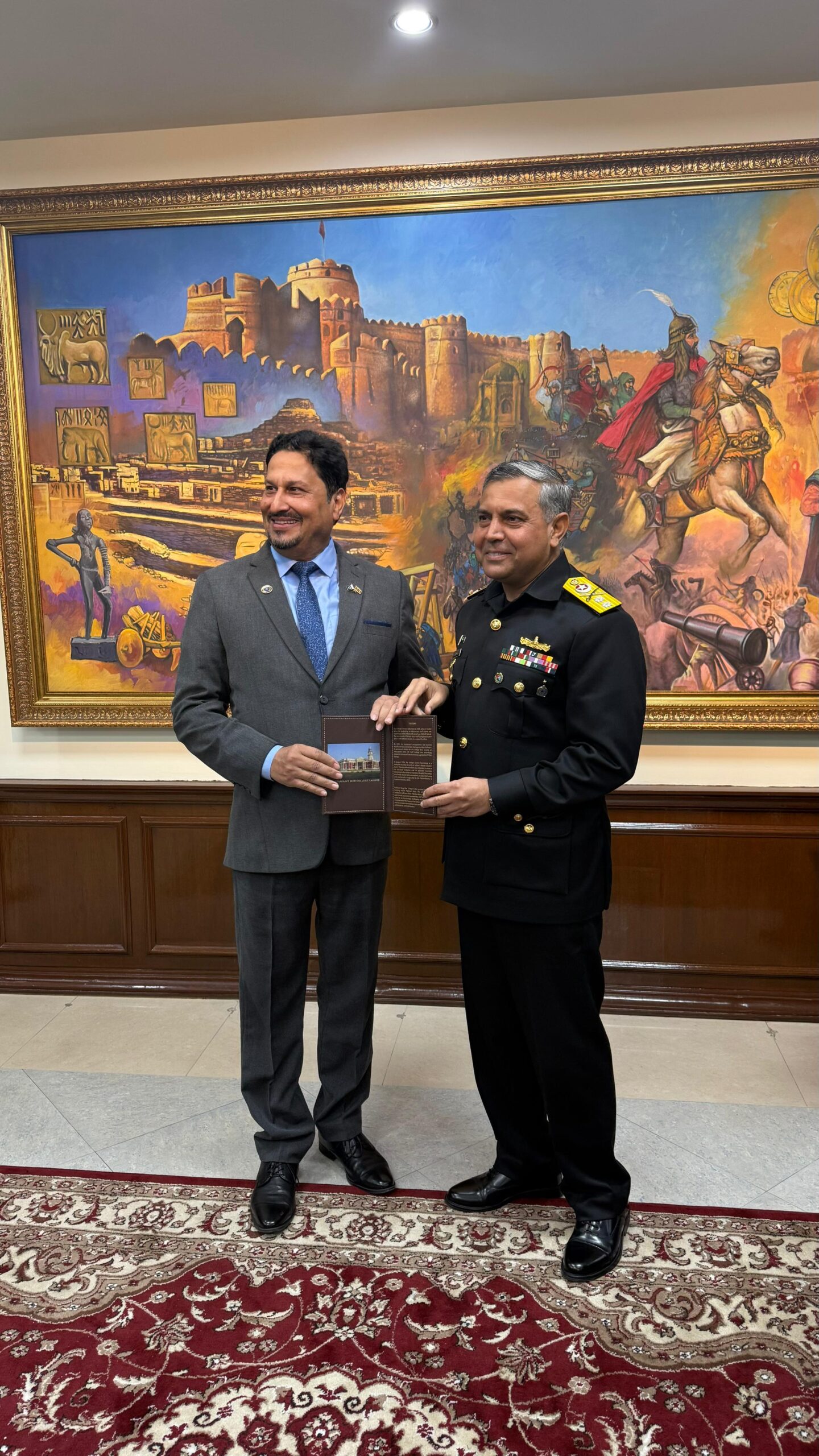
Professor Dr. Muhammad Belal Hossain, Dean of the Faculty of Arts at the University of Rajshahi, attended as the Chief Guest. In his remarks, the Dean praised the philosophical depth of Allama Iqbal’s poetry and discussed Iqbal’s influence on the literature and culture of Bangladesh. He said, “A discussion on a philosopher like Iqbal will open new doors of thought for the new generation.”
The discussion session was chaired by Professor Dr. Muhammad Shahidul Islam, Chairman of the Department of Urdu at the University of Rajshahi. In his concluding address, the Chairman wished for the success of the event and expressed gratitude to the speakers for discussing such an important topic. He stated, “The Department of Urdu is committed to organizing such international discussions to provide students with opportunities for intellectual engagement.” The event was conducted by Professor Dr. Md. Samiul Islam of the Urdu Department.
The attendees included Professor (Retd.) Dr. M. Shamim Khan, President of the Bangla-Urdu Literary Forum; Professor Dr. Hossain Ahmed Kamali; Professor Dr. Md. Nasir Uddin; Professor Dr. Umme Kulsum Akhtar Banu; Professor Dr. Mokarram Hossain Mondol; Professor Dr. Md. Rashidul Alam; Professor Dr. Md. Shamiul Islam; Lecturers Md. Nur Mohammad, Saiful Islam, and Sweety Akter; along with a large number of students.
Also present was Mohammad Tahir, a student of the Department of Bangla at Karachi University, Pakistan, currently studying in Bangladesh. The conference room was filled with teachers, researchers, and students from various departments, creating an enthusiastic and scholarly atmosphere.
Participants, especially the youth, expressed keen interest in exploring new dimensions of Iqbal’s poetry and philosophy. At different stages of the program, teachers and students from the Urdu Department recited and performed poems and songs of Allama Iqbal.