








“Fear and Isolation: The Last Buddhist Families of Mehrabpur, Sindh”
Why are the last few families of Buddhists in Pakistan living in fear in Mehrabpur, Sindh? They do not have their own place of worship and are forced to pray inside their homes. People consider them Hindus instead of Buddhists, and the registration of Buddhism in official institutions has also become a problem. Government human rights organizations and the media can become their voice. Special report by jeeveypakistan.com
“Fear and Isolation: The Last Buddhist Families of Mehrabpur, Sindh”
The last few Buddhist families in Mehrabpur, Sindh, are living in fear and isolation, facing numerous challenges, including lack of access to a place of worship and forced identification as Hindus. This tiny community, numbering only a few thousand, is struggling to maintain their religious identity amidst societal pressures and bureaucratic hurdles.
They are forced to pray inside their homes, as they don’t have a dedicated place of worship. The confusion about their identity stems from the fact that they celebrate Hindu festivals like Holi, Diwali, and Rakshabandhan, leading many to mistakenly identify them as Hindus. The registration of Buddhism in official institutions has also become a significant problem, further exacerbating their marginalization.
Government human rights organizations and the media can play a crucial role in highlighting their plause and advocating for their rights. The situation highlights the need for greater awareness and protection of minority rights in Pakistan.
According to details, in the Islamic Republic of Pakistan, its founder, Quaid-e-Azam Muhammad Ali Jinnah, declared that all minorities would be granted full religious freedom and complete authority to live according to their own ways and religious customs. As Pakistani citizens, we believe that every resident here is entitled to all basic religious rights in accordance with Islam and the Constitution of Pakistan. Our society is based on religious tolerance, protection, and justice, and all minorities living in Pakistan are safe and peaceful.
Very few people in Pakistan know that the oldest religion in this region is Buddhism, and its followers still live, exist, and worship in Pakistan today. However, these people remain hidden from the public eye, concealed, and unknown to the general public. In this special report by Geo Pakistan Dot Com, you will learn important information, the latest updates, the challenges they face, and details about their daily lives.
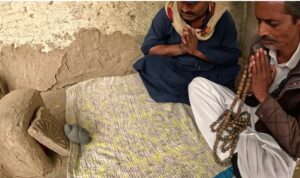
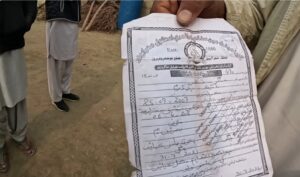
Just as many people were unaware that Jewish cemeteries exist in Karachi, similarly, many do not know that followers of Buddhism also reside here, living safely and keeping their religious traditions alive.
**They are keeping their religious traditions alive.**
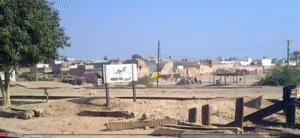
Most people certainly believe that Buddhism has been completely erased from Pakistan and now exists only in history books or the archaeological remains of Mohenjo-daro. However, this is not the truth. The reality is that followers of Buddhism are alive and well even today, in December 2025, living in Pakistan’s Sindh province. In the Naushahro Feroze district of Sindh, in the area of **Mihrabpur**, there are some poor and underprivileged families who are followers of Buddhism.
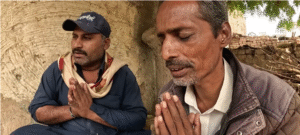
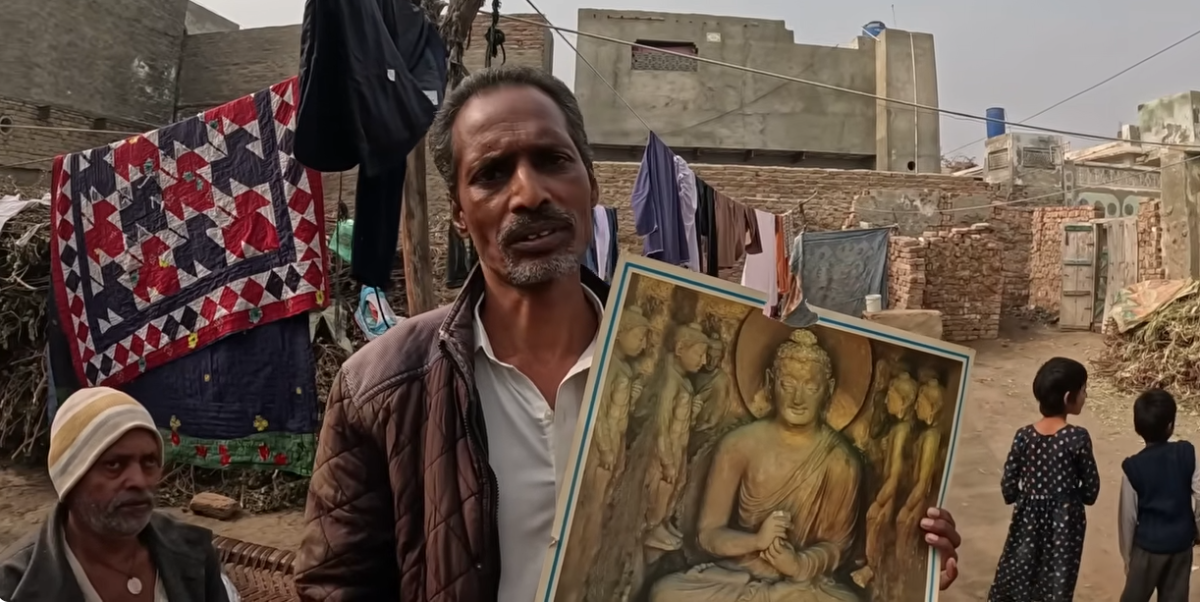
They keep statues of Buddha in their homes and worship according to their religious traditions. People do not know that they are Buddhists; nearby residents even consider them Hindus. They face difficulties in maintaining their identity because, in documentary records and paperwork, they have struggled to get “Buddhism” written on their children’s birth certificates.
The biggest problem for these people is that they have no place of worship where they can formally pray. Therefore, they have created small worship areas in their homes where they perform their religious rituals and celebrate religious festivals. They are also teaching their children their religious teachings. Some of them even speak English. They say their mother tongue is Marwari, but they now also speak Sindhi, Balochi, Urdu, and English. In their homes, they have Gautam Buddha calendars for the year 2024 and small statues of Gautam Buddha brought from India, which hold religious significance for them.
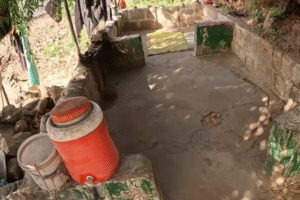
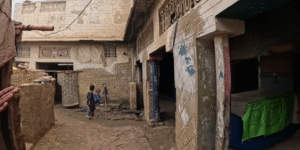
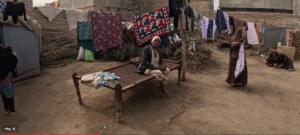
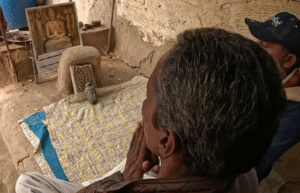
They are living their lives according to their religious beliefs and teachings within their homes. They say that many followers of this religion live in Sindh, but their identity is hidden, or people consider them Hindus. Due to inflation and poverty, many of them are unable to stay in constant contact with each other, but they know and recognize one another. They say they do not marry outside their religion and only marry within their faith. Their small numbers also pose a major challenge.
The Buddhists living in Pakistan reside in the city of Mihrabpur. Who discovered them? Who reached out to them, and who first revealed their latest situation? According to a report by **Jeeway Pakistan Dot Com**, credit for this goes to Pakistan’s active, dynamic, and famous YouTuber **Arif Ali**, who runs a popular channel on YouTube under the name **”Desi Traveler”**. He has around three hundred thousand subscribers, and his numerous videos are extremely popular worldwide. He travels across Pakistan and other countries, sharing various events, personalities, places, and interesting and surprising information with people.
He was the first to reach the Buddhists in Mihrabpur, Pakistan. In his video, he explains that it took him months, gathering a lot of information, conducting extensive research, and scouring many books and documents before he finally discovered that Buddhists exist in Pakistan. He then tracked them down in the Mihrabpur area, reached their homes, filmed their worship practices inside their houses, spoke with them, conducted interviews, and uploaded a very detailed, informative, and astonishing video. This is undoubtedly a great achievement on his part. He not only found the last remaining Buddhist families in Pakistan but also highlighted their life problems and challenges.
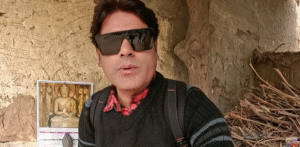
The management of **jeeveypakistan.com **, on behalf of itself and its affiliates, congratulates Desi Traveler Arif Ali on this remarkable work and prays for his further success and well-being. Through this report, it has been revealed for the first time that not only do Buddhists exist in Pakistan, but they are living in fear, facing identity challenges. Their heartfelt demand and biggest issue is their place of worship. They want a worship place where they can go and pray, just like followers of other religions do in their places of worship.
The few people living in Mihrabpur who follow Buddhism have kept their worship limited to their homes. People around them consider them Hindus and categorize them under the Hindu religion, while they say, “We are not Hindus; we are a separate religion, and we are the oldest religion.” They say they did not convert to this religion from another; rather, people left their religion to join other faiths. They do not criticize others but remain steadfast in their own faith, connected to it, and wish to keep their religious traditions, teachings, and beliefs alive.
They need a place of worship. Their financial condition is also not good, and they certainly do not have the resources to do everything themselves. Elected and prominent leaders representing minority communities in Pakistan should pay attention to them. The relevant ministry and departments of the Pakistani government should also focus on them, solve their problems, and provide them protection and necessary financial support.
Minorities in Pakistan have many rights. At the government level, a lot is done for minorities in Pakistan; many measures are taken, their festivals are celebrated. Pakistan’s head of state, President Asif Ali Zardari, and Prime Minister Muhammad Shehbaz Sharif also emphasize protecting minority rights, providing them complete security, safeguarding their places of worship, and promoting their welfare. They also participate in various events and programs of the minority community.
The Buddhist community certainly has the same desire: to have their own place of worship and for official personalities to participate in their festivals. In Sindh, the Pakistan Peoples Party (PPP) is in government. PPP Chairman Bilawal Bhutto Zardari and Chief Minister Syed Murad Ali Shah themselves participate in minority religious programs and announce and take all possible measures for their protection and welfare.
Regarding minority affairs in Sindh, minority community leaders should also pay attention and initiate welfare projects for these last remaining Buddhist families in Mihrabpur. They should be provided with all kinds of official patronage and encouragement. Human rights advocates in Pakistan, active human rights organizations in Pakistan, and institutions like **Human Rights of Pakistan** should listen to and understand the problems of these followers of Buddhism and raise their voice for their rights.
The media in Pakistan can also play an important role in this regard. Media friends, through their respective institutions and individual platforms, can also become the voice of the minority community, especially these few Buddhist families.
By Salik Majeed Editor Jeeveypakistan.com
==============================