


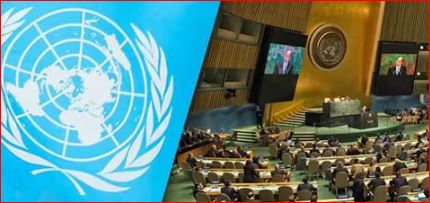
United Nations International Day for Disabled Persons
The United Nations International Day for Disabled Persons, observed annually on December 3, is a significant global event dedicated to promoting the rights, dignity, and well-being of persons with disabilities. Established by the United Nations General Assembly in 1992, this day serves as a reminder of the collective responsibility each society holds to create inclusive, accessible, and equitable environments. It is also a moment to recognize the achievements and contributions of individuals with disabilities around the world.
At its core, the International Day for Disabled Persons emphasizes the universal principle that disability is not an inability. People with disabilities—who constitute over one billion individuals globally—possess skills, talents, perspectives, and innovations that enrich societies. However, despite tremendous progress in policy, technology, and advocacy, many still face barriers: physical, social, economic, and attitudinal. December 3 is therefore a day not only of celebration but also of reflection, action, and recommitment to building a truly inclusive world.
Historical Background and UN Vision
The United Nations has long been a champion of disability rights. The observance of December 3 emerged from the United Nations Decade of Disabled Persons (1983–1992), a period dedicated to strengthening national and international efforts to improve the lives of people with disabilities. The idea was to focus on equalizing opportunities, raising awareness, and preventing disability through health initiatives, education, and social programs.
In 1992, the UN General Assembly officially declared December 3 as the International Day of Disabled Persons (later renamed the International Day of Persons with Disabilities). The goal was to encourage governments, organizations, and communities to understand disability issues more deeply and to support the dignity and rights of persons with disabilities.
This vision aligns with the Convention on the Rights of Persons with Disabilities (CRPD), adopted in 2006, which stands as one of the most progressive and comprehensive international treaties. The CRPD promotes the full and effective participation of persons with disabilities in all areas of life. It highlights that disability results not solely from physical or mental impairments but from the interaction between individuals and societal barriers. Therefore, disability rights are fundamentally human rights.
Annual Themes and Their Importance
Each year, the International Day for Disabled Persons is centered around a specific theme that reflects contemporary issues, global priorities, and emerging challenges. Past themes have ranged from accessible technology and employment opportunities to empowerment, leadership, and sustainable development.
These themes serve several purposes:
Raising Awareness: They draw global attention to issues that may be overlooked in everyday policy and discourse.
Guiding Advocacy: They provide a framework for organizations, governments, and civil society to plan events, campaigns, and initiatives.
Measuring Progress: By focusing on specific topics annually, stakeholders can evaluate achievements and shortcomings.
For instance, recent themes have emphasized the connection between disability inclusion and the Sustainable Development Goals (SDGs). This is crucial because the SDGs cannot be fully realized without addressing the needs of persons with disabilities. Whether it is quality education, decent work, poverty reduction, or climate action, disability inclusion is essential to achieving fair and sustainable development.
The Importance of Disability Inclusion
Disability inclusion means ensuring that all people, regardless of their abilities, can participate fully and equally in society. This includes access to education, employment, healthcare, transportation, public spaces, technology, and political processes.
1. Social Inclusion
People with disabilities often face social exclusion due to stereotypes, stigma, or lack of understanding. Inclusive societies actively challenge negative attitudes and embrace diversity. Social inclusion allows individuals with disabilities to form relationships, participate in community life, and enjoy equal rights.
2. Economic Inclusion
The economic potential of persons with disabilities remains vastly underutilized. Many face obstacles in the labor market, including discrimination, inaccessible workplaces, or lack of accommodations. Inclusive employment practices benefit everyone: employers gain access to diverse talent, and economies grow as more individuals contribute productively.
3. Educational Inclusion
Inclusive education ensures that students with disabilities learn alongside their peers in supportive environments. This model strengthens learning outcomes, promotes social interaction, and encourages empathy. For many individuals, education is the gateway to independence and opportunity.
4. Technological Inclusion
Technological advancements—such as screen readers, mobility aids, smart prosthetics, and communication software—have empowered individuals with disabilities in unprecedented ways. Ensuring technology is accessible unlocks countless opportunities in education, employment, and daily life.
Global Challenges Faced by Persons with Disabilities
Despite growing awareness and stronger legal protections, persons with disabilities continue to encounter challenges:
1. Barriers to Accessibility
Many public buildings, transportation systems, online platforms, and services remain inaccessible. Without proper infrastructure, individuals with disabilities cannot participate fully in society.
2. Employment Discrimination
Unemployment rates among persons with disabilities are significantly higher in many countries. Employers may hold incorrect assumptions about capabilities or ignore obligations to provide reasonable accommodations.
3. Inequality in Education
Millions of children with disabilities worldwide remain out of school. Some lack access to inclusive classrooms, while others face discrimination or inadequate support services.
4. Health Disparities
Individuals with disabilities may struggle to receive appropriate healthcare due to inaccessible facilities, lack of trained professionals, or financial barriers.
5. Social Stigma
Social stigma and misconceptions persist. Many people wrongly view disability as a medical or charity issue, rather than a human rights and social justice matter.
Celebrations, Events, and Global Impact
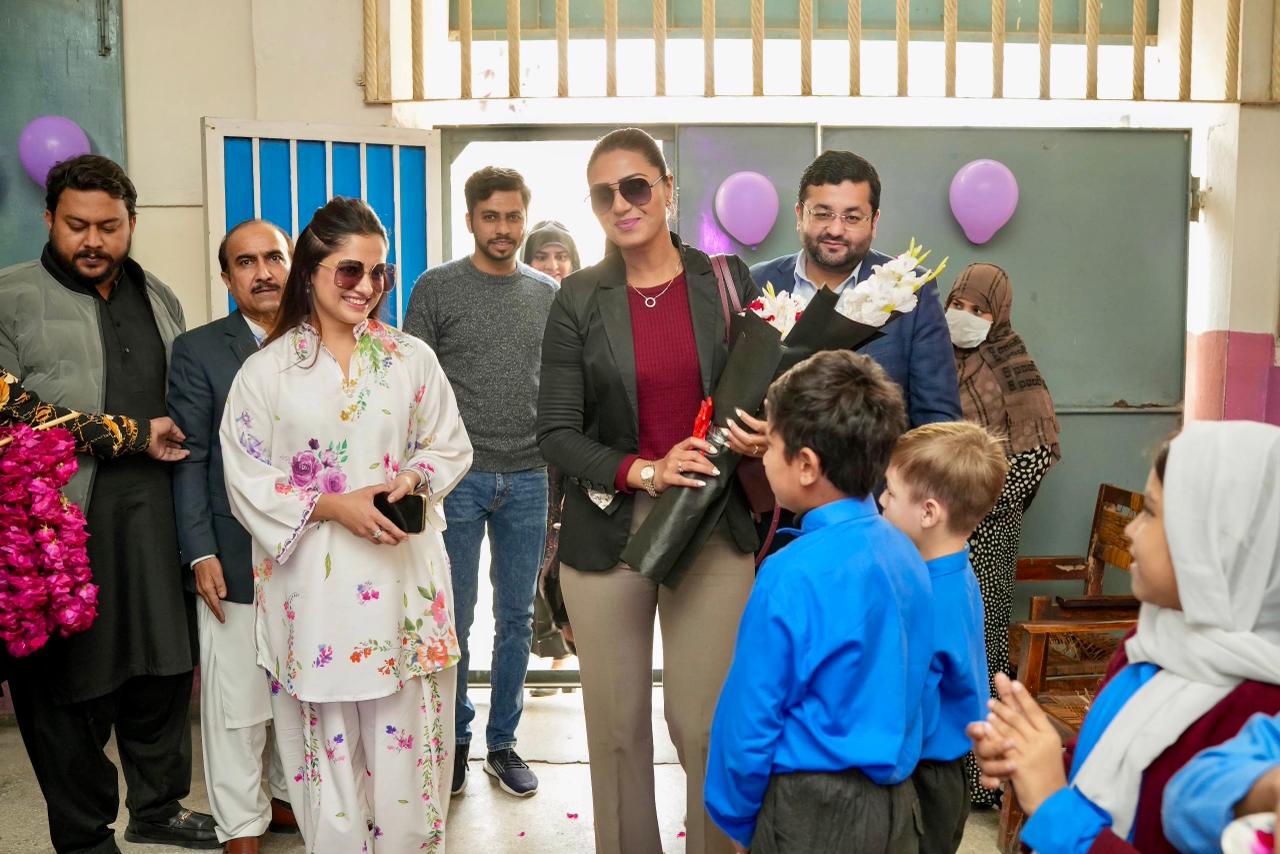
Across the world, December 3 is marked with a variety of activities:
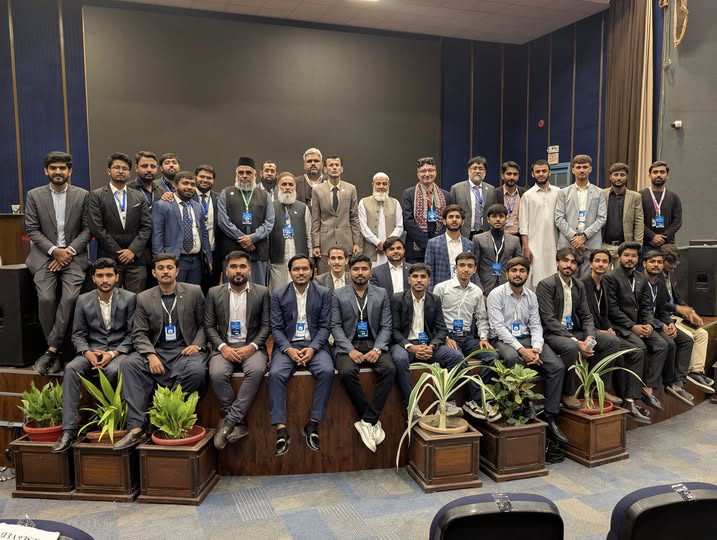
Conferences and seminars exploring policy, rights, and accessibility.
Workshops and exhibitions showcasing assistive technologies and innovations.
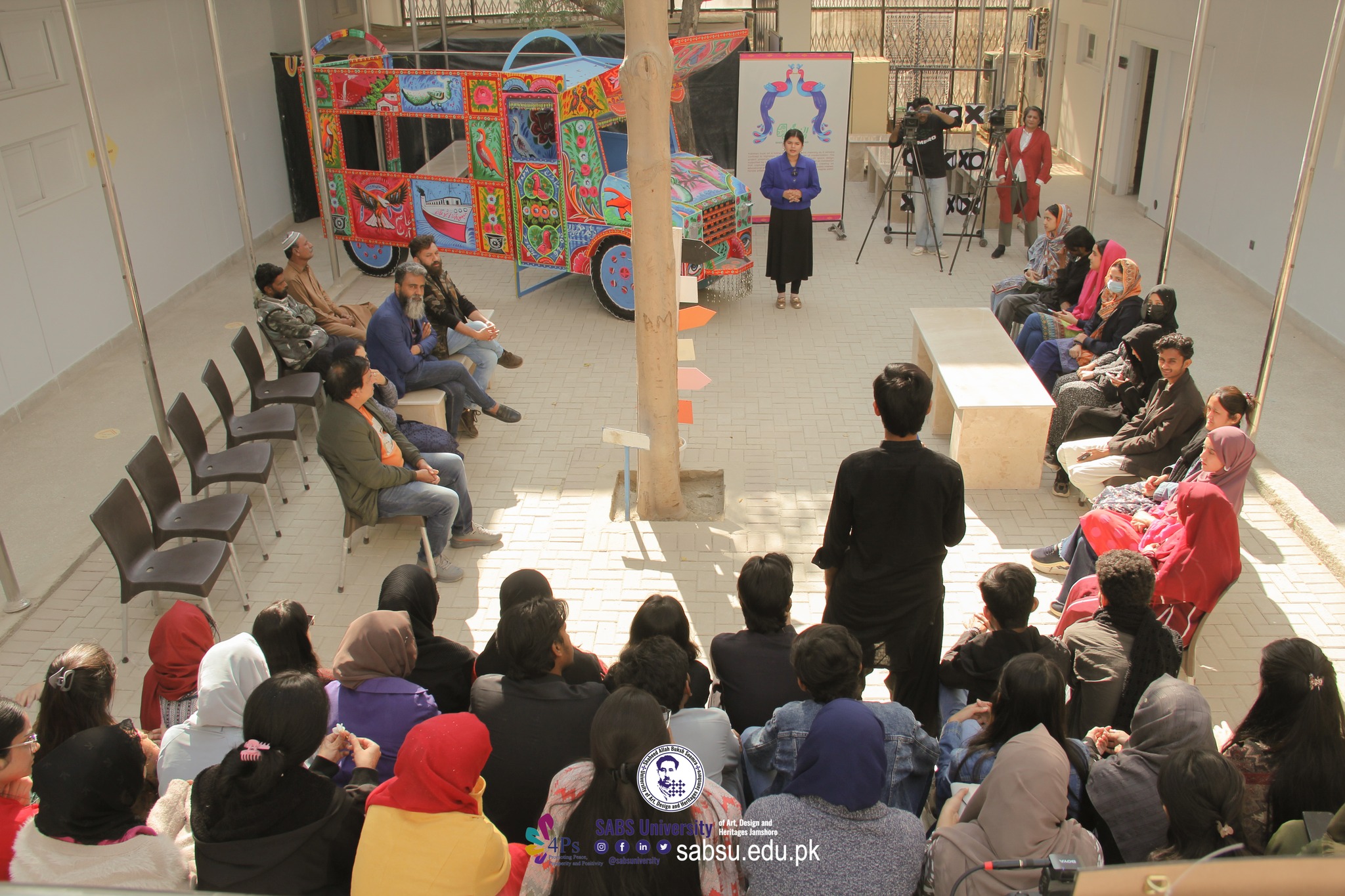
Cultural events, including art displays, performances, and storytelling by persons with disabilities.
Public awareness campaigns, often led by governments, NGOs, educational institutions, and the private sector.
These events have a ripple effect. They educate communities, empower individuals with disabilities, and encourage governments to strengthen legislation and policies.
The day also reminds organizations of their responsibility to adopt inclusive practices, whether through accessible workplaces, equal hiring policies, or disability-friendly services. Businesses increasingly recognize that inclusion is not just a moral imperative but also a strategic advantage.
Building an Inclusive Future: What Can We Do?
The International Day for Disabled Persons is not solely for policymakers or institutions—it is for everyone. Individuals, families, communities, and organizations all play a crucial role.
1. Raise Awareness
Learn about disability rights and challenge stereotypes. Share accurate information with others.
2. Promote Accessibility
Support or advocate for accessible public spaces, digital platforms, transportation, and workplaces.
3. Support Inclusive Education
Encourage schools to adopt inclusive practices and ensure children with disabilities receive appropriate resources.
4. Celebrate Achievements
Recognize the contributions of individuals with disabilities in every field—arts, science, sports, leadership, and beyond.
5. Advocate for Policy Change
Support campaigns that push for stronger disability laws, better enforcement, and improved social services.
6. Listen to Disabled Voices
Inclusion begins with understanding. Listen to the experiences, challenges, and aspirations of people with disabilities.