

HRSP urges government to eliminate quackery in surgery, restrict medical practice to qualified professionals
KARACHI: The Hair Restoration Society of Pakistan (HRSP) has urged the government to completely eliminate quackery in medical and surgical fields — including hair restoration — and to ensure that all forms of medical practice are restricted strictly to qualified professionals. The Society said it is ready to fully support government efforts aimed at curbing untrained practitioners, ensuring safe and standardised treatment for patients, and promoting medical tourism in the country.
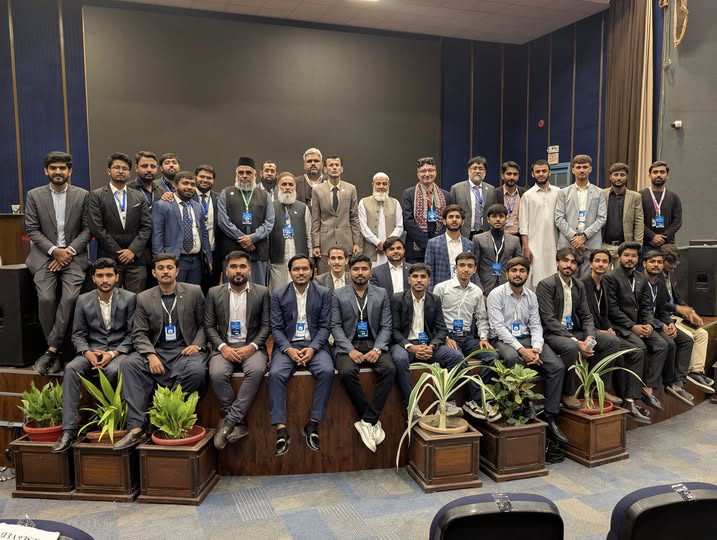
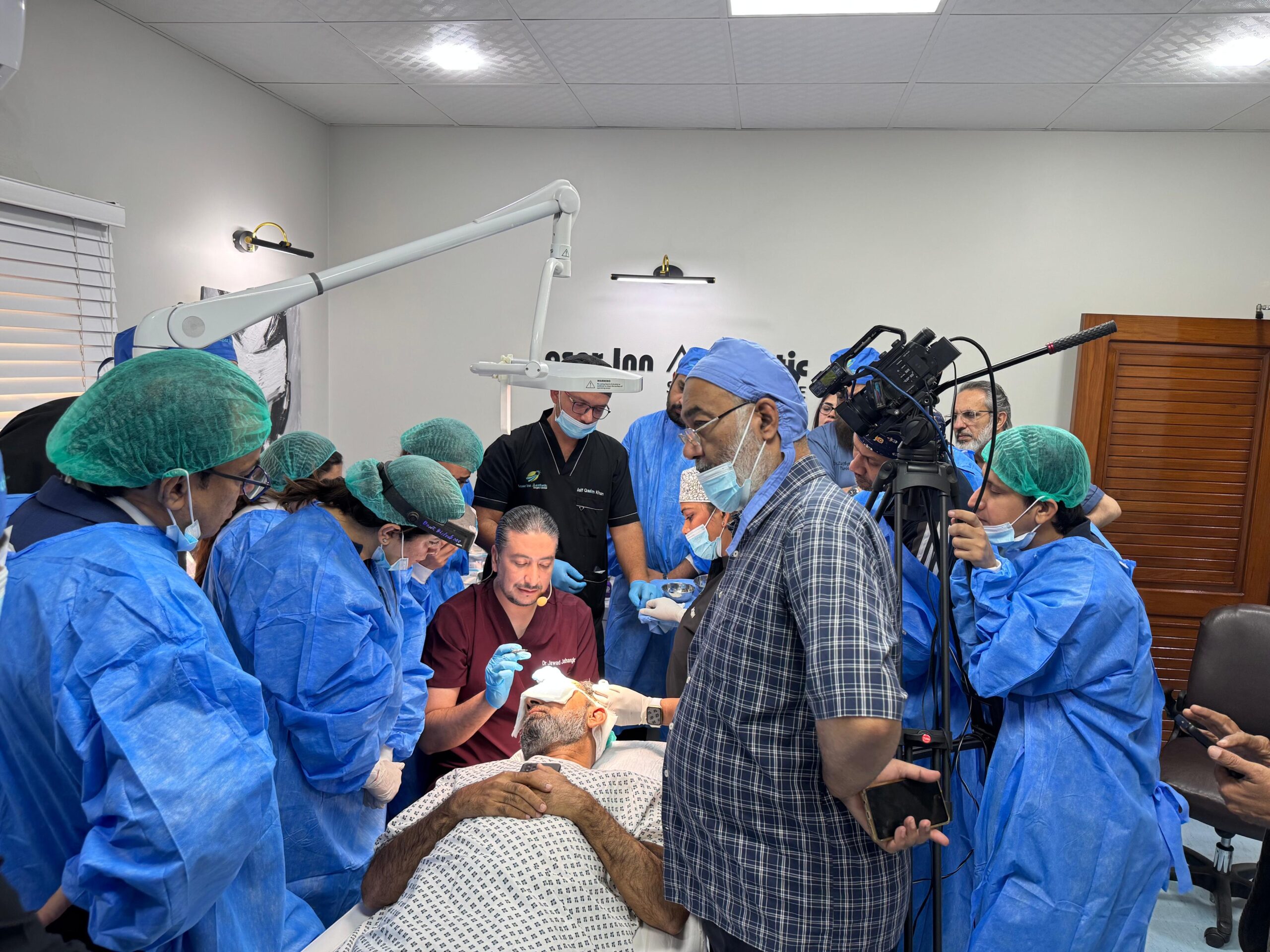
The demand was put forward by HRSP office-bearers during the closing session of a two-day live surgery workshop held at a local hair restoration centre in Karachi. The session was addressed by HRSP President Dr Rana Irfan, Vice President Dr Uzma, Organising Committee Chair Dr Hanif Saeed, Dr Humayun Mahmand, Dr Zulfiqar Tunio, Dr Tahir Shaikh, Dr Waris Anwar, Dr Nasir Rasheed, Dr Wareshah Iftikhar, Dr Falak Waqas and others.
The workshop drew participation from Pakistan as well as Canada, the United Kingdom, the United States, Iran, Saudi Arabia and the United Arab Emirates. Junior doctors were trained in new live-surgery techniques through group-based modules.
According to experts, strict enforcement of existing regulations would not only bring long overdue discipline to Pakistan’s hair restoration sector but also protect patients from the harm caused by untrained and unregulated individuals. They noted that hair procedures are increasingly being performed at unauthorised locations such as beauty parlours, non-medical offices and even private homes by people with no medical or surgical training. These operators, they added, often use unsafe methods under substandard conditions.
They said the expansion of this black-market practice is driven by low costs and the absence — or weak implementation — of legal requirements. Experts stressed that unless the government formally defines and enforces qualification standards, quackery will continue to grow at the expense of patient safety and the reputation of legitimate practitioners.
Experts urged participants to make the workshop and conference as academic and result-oriented as possible, emphasising that they should fully utilise the opportunity to learn. They stressed that such workshops must not remain mere formal gatherings, but should evolve into meaningful educational and research platforms. Senior doctors were encouraged to share their knowledge and experiences with one another, while junior doctors, they said, should be given maximum opportunities to apply and enhance their research and academic skills.
They noted that for young doctors entering the field of hair restoration, these workshops — along with the upcoming mega event in Islamabad — would prove highly beneficial, and would also help curb the rapidly growing trend of quackery in the sector. Improved professional education and training, they added, would strengthen public confidence in qualified practitioners.
The experts further stated that countries such as Türkiye are promoting medical tourism through advanced hair restoration services, which is contributing to their foreign exchange earnings. Pakistan, they said, also has vast potential in this area, but quackery remains the biggest obstacle. They added that the event is offering Pakistan an international platform that could open new avenues for medical research, education and economic development, particularly in boosting medical tourism.
Earlier, in the first session of the workshop, hair restoration specialists stressed that along with effective government action against quackery, surgeons and clinics must strictly adhere to international ethical standards, adopt new medical techniques responsibly, and ensure mandatory professional training. Such measures, they emphasised, are essential for patient safety.
The experts remarked that ensuring high standards of medical practice and prioritising patient wellbeing can play a decisive role in eliminating unsafe cosmetic surgeries and substandard aesthetic treatments in Pakistan.
Dr Hanif Saeed said that the workshop had brought together experts from around the world on a single platform, creating opportunities for the introduction of new and advanced techniques in the field of hair restoration.
Dr Hanif Saeed added that global specialists presented distilled insights from the latest scientific developments related to preventing hair loss, hair transplantation and modern methods of hair restoration. He said the workshop had created a strong possibility that these advanced techniques would now be adopted more widely in Pakistan.
He expressed hope that this international workshop and the forthcoming conference would prove to be a milestone, leaving positive and lasting effects on future academic events and contributing significantly to the growth and advancement of the Hair Restoration Society of Pakistan.
At the conclusion of the two-day workshop, participants were awarded certificates, presented with ajrak, and given souvenirs.