







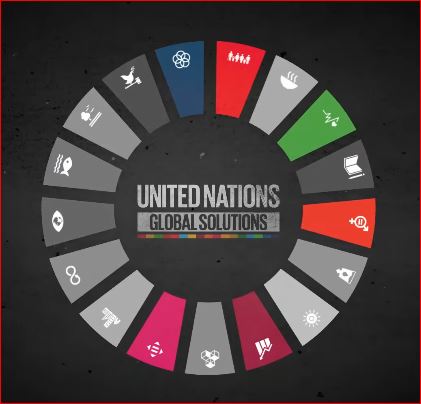
Nations United: Urgent Solutions for Urgent Times……
In an era defined by rapid change and unprecedented challenges, the world stands at a crossroads. Climate disasters, geopolitical instability, global health threats, widening inequality, and technological disruptions form a web of interconnected crises. These issues no longer respect borders, political ideologies, or economic status. They are global problems requiring global solutions. The idea behind “Nations United: Urgent Solutions for Urgent Times” reflects a profound truth: humanity’s future depends on the collective ability of nations to act together with urgency, clarity, and purpose.
A World in Flux
The 21st century was expected to usher in unparalleled progress, yet the same forces that empowered societies have also contributed to instability. Climate change intensifies storms, droughts, and wildfires; digital technologies that connect billions also spread misinformation at record speed; global trade strengthens economies but makes vulnerabilities more contagious; and population growth strains ecosystems and public systems worldwide.
These urgent times compel us to recognize that individual nations can no longer address the scale of modern challenges alone. Whether tackling carbon emissions, preventing pandemics, or ensuring cybersecurity, isolated efforts are insufficient. Cooperation is no longer optional—it is essential.
Climate Change: A Test of Global Resolve
Perhaps no challenge illustrates the need for unity more clearly than climate change. Rising sea levels threaten to displace millions, food insecurity is intensifying, and extreme weather events are becoming the norm rather than the exception. While some progress has been made through global agreements, the scale of the climate crisis demands more ambitious and coordinated action.
Nations must accelerate their commitments to reduce emissions, transition to renewable energy, and protect vulnerable communities. Solutions require both technological innovation and political will. Richer countries must support developing nations through financial assistance, green technology transfers, and fair climate adaptation strategies. Without solidarity, the world risks deepening inequalities and triggering conflicts over resources.
Climate action is not merely environmental—it is economic, social, and moral. When nations unite to invest in a green economy, they create jobs, foster innovation, and protect future generations. Addressing the climate crisis together is not only possible; it is profoundly advantageous.
Global Health: Lessons from Shared Vulnerability
The COVID-19 pandemic revealed the fragility of global health systems and highlighted the consequences of fragmented responses. Diseases can cross oceans in hours; misinformation can spread faster than pathogens; and inequitable access to healthcare prolongs suffering and economic disruption.
A united global health strategy is indispensable. Nations must strengthen early warning systems, increase investments in research, improve vaccine distribution, and build robust public health infrastructures capable of responding swiftly to outbreaks. Collaboration between governments, scientists, and international organizations ensures that expertise, data, and resources move quickly where they are needed.
Health crises remind us that humanity shares a single biological destiny. Viruses do not distinguish between nationalities, and neither should solutions. When nations work together, they not only save lives—they build resilience for future generations.
Economic Inequality and the Need for Inclusive Growth
Inequality within and between nations has grown significantly in recent decades. Economic disparities fuel social unrest, limit opportunity, and destabilize societies. Meanwhile, global crises often hit the poorest the hardest, deepening existing vulnerabilities.
Urgent solutions require coordinated actions: fairer trade practices, international tax regulations to curb evasion, strong social safety nets, and investments in education and digital access. Nations united in reducing inequality contribute to a more stable global economy—one that supports innovation and reduces incentives for conflict.
Global institutions also need reform to ensure that developing nations have a stronger voice in economic decision-making. Sustainable development must be a shared objective, not a privilege of wealthier nations.
Technology Governance: Cooperation in a Digital Age
While technology has transformed communication, medicine, and industry, it also presents new threats—cyberattacks, disinformation campaigns, AI misuse, and erosion of privacy. No single country can regulate or secure digital spaces alone. The digital world is intrinsically global.
International agreements on technology governance, data protection, cybersecurity standards, and artificial intelligence ethics are urgently needed. A united approach helps prevent abuses while encouraging technological advancement for the common good.
By fostering global cooperation in science and technology, nations can harness innovation to solve problems—from renewable energy breakthroughs to advancements in disease prevention—more effectively and equitably.
Peace, Security, and Diplomacy in a Multipolar World
Geopolitical tensions are rising as global power becomes more diffused. Conflicts in one region often spill into others through migration, energy disruptions, and economic instability. In a multipolar world, diplomatic cooperation becomes increasingly vital.
Nations must recommit to diplomatic dialogue, conflict prevention mechanisms, and respect for international law. Peacekeeping operations, humanitarian corridors, and coordinated sanctions against aggressors can help maintain global stability. When global powers act together, the chances of resolving conflicts peacefully increase dramatically.
Security today also includes threats such as extremism, resource scarcity, and environmental migration. Addressing these requires a shared understanding of root causes and collective action beyond military solutions.
Education and the Power of Shared Knowledge
Knowledge is one of the most powerful tools for solving global problems. Investing in education—especially science, critical thinking, and global citizenship—prepares future generations to address complex challenges with creativity and compassion.
International cooperation in research and academic exchange accelerates innovation and builds cultural understanding. When nations share knowledge freely, they expand humanity’s collective potential.
A united world invests not only in infrastructure and technology, but also in minds and ideas. Education helps bridge divides, reduce prejudice, and nurture leaders who understand the importance of cooperation.
Humanitarian Responsibility and the Ethics of Unity
At its core, global cooperation is a moral imperative. The world is facing historic levels of displacement, hunger, and human suffering. Conflicts, climate disasters, and economic instability are forcing millions from their homes.
Nations united can create humane, fair, and efficient systems for supporting refugees, providing disaster relief, and rebuilding communities. Sharing responsibility ensures that no single country is overwhelmed and that all people receive the dignity and protection they deserve.
Compassion, justice, and solidarity must guide international policy. Humanity is strongest when it stands together.

=====
Building a United Future
The challenges of our time are undeniably urgent, but they are not insurmountable. The world has solved global problems before: smallpox was eradicated, the ozone layer is healing, and poverty has been reduced in many regions through coordinated international effort. These achievements prove what humanity can accomplish when nations commit to acting together.
The future requires renewed trust in global institutions, creative multilateral diplomacy, and a willingness to prioritize long-term sustainability over short-term gains. Governments, businesses, communities, and individuals all have roles to play….
======