








UNICEF Initiatives on Climate Change
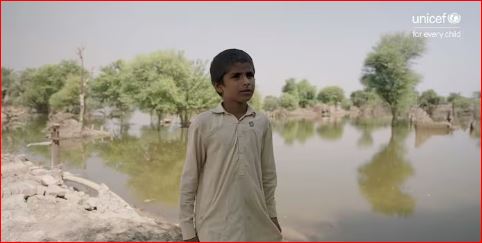
Climate change is one of the greatest threats facing children today. Rising global temperatures, extreme weather events, and the degradation of natural resources disproportionately affect young people, particularly those living in vulnerable or low-income communities. The United Nations Children’s Fund (UNICEF), founded to protect and promote the well-being of children worldwide, has increasingly placed climate change at the center of its mission. Recognizing that the climate crisis is fundamentally a child rights crisis, UNICEF has developed a wide range of initiatives, programs, and advocacy efforts to protect children from climate-related risks and to empower them as central actors in shaping a sustainable future.
This essay explores UNICEF’s main strategies and initiatives addressing climate change, including climate-resilient services, disaster risk reduction, climate finance advocacy, youth engagement, data and research development, and partnerships with governments and global institutions.
1. Climate Change as a Child Rights Issue
UNICEF frames climate change not merely as an environmental or economic problem but as a serious violation of children’s rights. Children are more vulnerable to heatwaves, air pollution, food insecurity, and water scarcity. Their developing immune systems and dependence on caregivers make them especially susceptible to climate-related diseases, malnutrition, and displacement.
UNICEF’s Children’s Climate Risk Index (CCRI) highlights that hundreds of millions of children live in areas exposed to multiple climate and environmental shocks. This approach allows UNICEF to prioritize interventions in regions where climate impacts overlap with weak essential services such as healthcare, water infrastructure, or education. By placing children at the center, UNICEF ensures climate policies consider the needs of those least responsible for the crisis but most affected by it.
2. Strengthening Climate-Resilient Water, Sanitation, and Hygiene (WASH) Systems
One of UNICEF’s most significant areas of climate action focuses on ensuring children’s access to safe water. As droughts intensify, groundwater depletes, and extreme weather events damage water systems, WASH infrastructure becomes increasingly fragile. UNICEF supports governments in designing climate-resilient WASH systems that withstand floods, cyclones, and droughts. Key initiatives include:
Constructing flood-resistant water points and installing solar-powered water pumps in remote communities.
Promoting water conservation and efficient water management in areas where water scarcity is worsening.
Supporting climate-smart sanitation systems, such as toilets designed to operate during floods or water shortages.
Training local technicians to maintain and repair systems during emergencies.
These interventions not only protect communities from climate impacts but also reduce the spread of waterborne diseases, which tend to rise after extreme weather events.
3. Disaster Risk Reduction and Climate-Resilient Schools
Extreme weather events—cyclones, hurricanes, floods, wildfires—disrupt education for millions of children each year. UNICEF’s initiatives focus on creating climate-resilient schools, ensuring that education continues even during environmental crises.
UNICEF works with local governments and NGOs to:
Design and build schools resistant to floods, storms, and earthquakes.
Install early warning systems, allowing schools to act quickly in emergencies.
Develop climate-aware curricula that teach students about environmental stewardship and disaster preparedness.
Provide temporary learning spaces after disasters so that children’s education is not interrupted for long periods.
After natural disasters, UNICEF often becomes one of the first organizations to deliver emergency learning materials, psychosocial support, and safe spaces for children affected by trauma.
4. Climate-Smart Health Systems
Climate change has direct consequences on children’s health—heat stress, rising vector-borne diseases like malaria and dengue, and respiratory issues caused by air pollution. UNICEF’s climate-smart health initiatives aim to strengthen health systems to cope with these challenges.
These strategies include:
Refrigeration of vaccines using solar energy, ensuring immunization programs continue even in areas with unstable electricity.
Training health workers to manage climate-related illnesses more effectively.
Building or upgrading clinics to withstand extreme weather and operate efficiently with renewable energy.
Supporting maternal and newborn health services in areas impacted by climate stress, recognizing that pregnant women and infants face heightened risks.
By integrating renewable energy technologies, UNICEF not only improves resilience but also reduces the carbon footprint of essential services.
5. Advocacy for Climate Finance and Child-Centered Climate Policies
UNICEF is a strong advocate for greater climate finance allocation toward children’s needs. While trillions of dollars are committed globally to climate efforts, only a small portion directly targets children’s services such as schools, healthcare, and water systems.
UNICEF’s climate finance advocacy focuses on:
Urging governments and donors to invest in child-centered adaptation and mitigation programs.
Helping countries integrate child rights considerations into national climate policies, including Nationally Determined Contributions (NDCs) and national adaptation plans.
Promoting transparency and accountability in climate finance distribution.
Highlighting children’s needs in international climate conferences such as the annual COP meetings.
UNICEF also works with financial institutions to develop innovative funding models that make climate-resilient infrastructure more accessible to low-income countries.
6. Youth Engagement and Empowerment
UNICEF believes that young people must play a central role in climate action. They are not only future leaders but active agents of change today. The organization supports youth engagement through a broad set of initiatives:
Providing platforms for young activists to speak at global summits, including the UN General Assembly and COP events.
Supporting youth-led climate organizations with training, mentorship, and sometimes funding.
Developing digital tools such as U-Report, enabling young people to share opinions, mobilize communities, and influence policy decisions.
Offering climate education programs that teach skills from renewable energy technology to sustainable agriculture.
UNICEF recognizes that empowering youth also builds long-term climate resilience and fuels innovation in climate solutions.
7. Data, Research, and the Children’s Climate Risk Index
UNICEF invests heavily in research to guide evidence-based climate action. The Children’s Climate Risk Index (CCRI) is one of the most comprehensive tools developed to measure children’s vulnerability to climate and environmental threats.
The CCRI takes into account:
Exposure to environmental shocks (flooding, heatwaves, cyclones).
Access to essential services.
Socioeconomic vulnerabilities.
Levels of environmental pollution and degradation.
Governments, researchers, and humanitarian agencies use UNICEF’s data to identify high-risk regions and allocate resources more effectively. This focus on evidence ensures that climate policies have real, measurable impact.
8. Partnerships with Governments, NGOs, and the Private Sector
Climate change is a complex global issue that requires collaboration across sectors. UNICEF actively partners with:
National governments to incorporate climate resilience into public service systems.
International NGOs to implement community-level projects.
Private companies to drive innovation in renewable energy, data systems, and sustainable supply chains.
Other UN agencies to align climate action across education, health, and humanitarian sectors.
For example, UNICEF collaborates with energy companies to deploy solar systems for schools and clinics, and with environmental agencies to support reforestation or sustainable water management projects. These partnerships allow UNICEF to scale up successful models and reach millions of children worldwide.
9. Humanitarian Response to Climate-Related Emergencies
Climate change is increasing the frequency and intensity of humanitarian crises. UNICEF plays an essential role in emergency response by providing:
Clean water and sanitation after floods or cyclones.
Therapeutic food for children suffering from climate-related malnutrition.
Safe shelters and psychosocial support for displaced families.
Mobile health services and vaccinations when regular systems are disrupted.
UNICEF’s experience in rapid response ensures that children receive the care they need even in the most unstable environments.
10. Towards a Child-Centered Climate Future
UNICEF’s climate initiatives reflect a broad and holistic approach. By addressing everything from clean water to resilient schools, renewable-powered health systems, youth empowerment, and global advocacy, UNICEF ensures that children’s voices and needs are central to climate action.
The organization’s work acknowledges that children today will inherit the consequences of decisions made now. Protecting them means investing in systems that can endure future climate shifts, enabling communities to adapt, and elevating children as leaders capable of guiding the world toward sustainability.
UNICEF’s efforts demonstrate that a child-centered approach to climate change is not only a moral imperative but a strategic path toward building resilient, equitable, and thriving societies. Through its initiatives, UNICEF continues to champion a future where every child has the opportunity to live, learn, and grow in a safe and sustainable world.