
Facilities for Needy People by UNICEF in Pakistan
UNICEF, the United Nations Children’s Fund, has long been a key partner in supporting vulnerable and needy communities across Pakistan. Working with the government, local organizations, and international donors, UNICEF provides essential services that help protect the rights, health, and well-being of millions of children and families. Its initiatives focus on areas where the needs are greatest, especially in remote regions, urban slums, and disaster-affected districts. Through a wide network of programs, UNICEF ensures that basic facilities—such as healthcare, education, safe water, and protection—reach those who need them most.
One of the most significant areas of UNICEF’s work in Pakistan is health and nutrition. Many children in the country suffer from malnutrition, preventable diseases, and limited access to medical care. To address this, UNICEF supports health centers by supplying vaccines, therapeutic food, medicines, and trained staff. The organization plays a major role in Pakistan’s immunization campaigns, especially the polio eradication effort, which remains a national priority. Nutrition programs also provide life-saving treatment for severely malnourished children and offer guidance to mothers on proper feeding practices. These services have saved countless young lives and continue to build healthier communities.
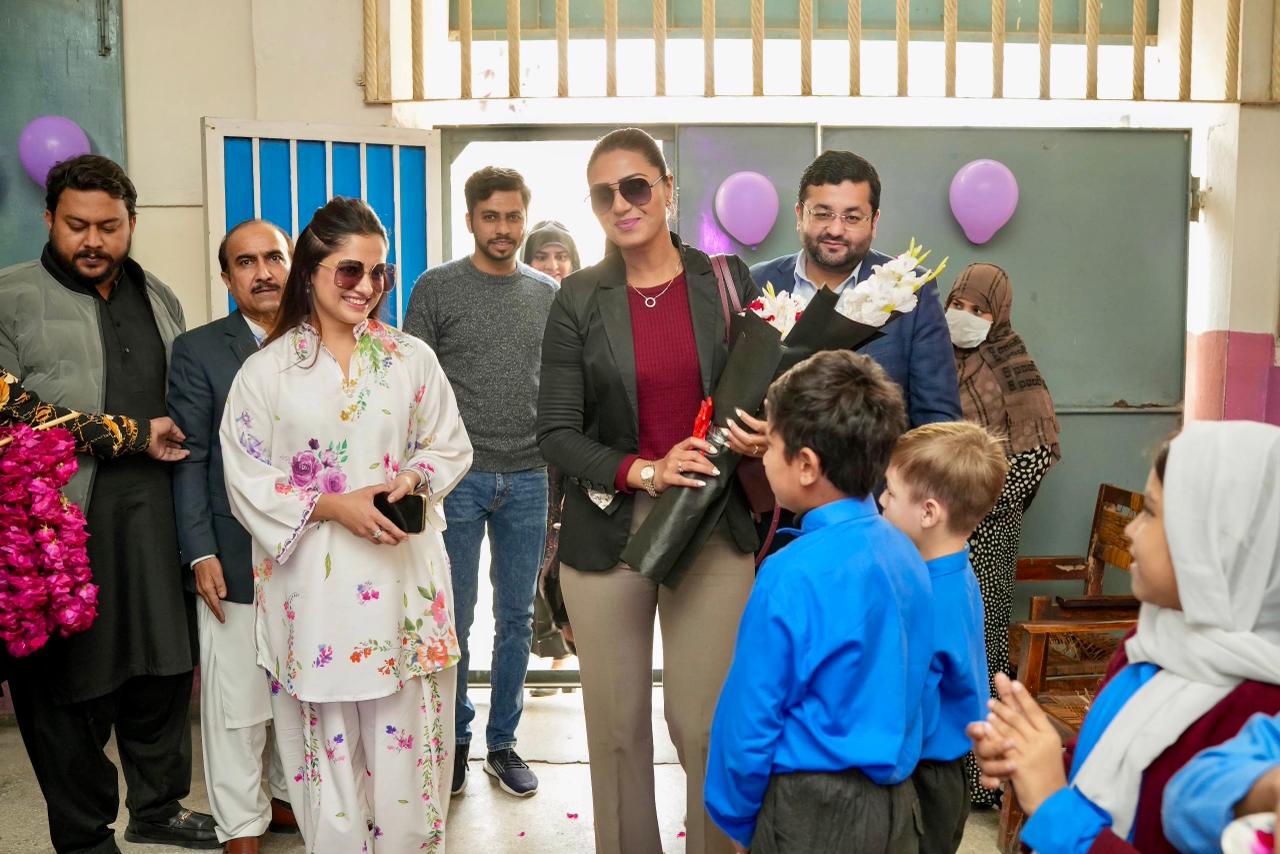
Another important focus is education, particularly for children who are unable to attend school because of poverty, gender barriers, or natural disasters. UNICEF helps set up temporary learning centers during emergencies, distributes school supplies, and trains teachers to create child-friendly classrooms. With a commitment to promoting girls’ education, UNICEF works to make schools safer and more inclusive. Scholarship programs, community awareness campaigns, and school rehabilitation projects all contribute to giving marginalized children the chance to learn and build a better future.
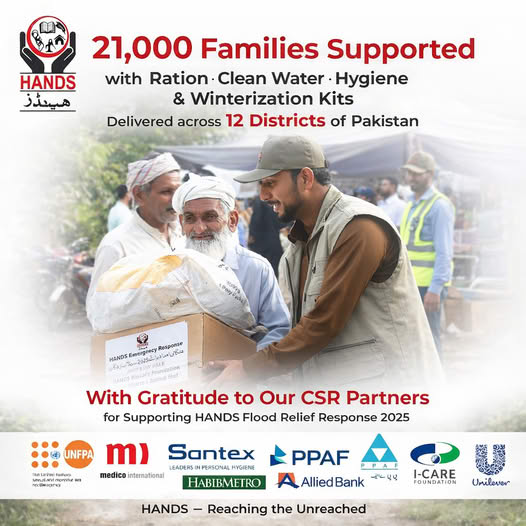
UNICEF also ensures access to clean water, sanitation, and hygiene (WASH)—basic facilities that many needy families still lack. In numerous rural and peri-urban areas, the organization installs hand pumps, rehabilitates water systems, and promotes hygiene education. Clean water and proper sanitation play a crucial role in preventing disease outbreaks, especially during floods or other natural disasters. UNICEF’s WASH programs help communities maintain healthier living environments and reduce the risks faced by children in unsafe conditions.
Protection of vulnerable children is another essential part of UNICEF’s mission in Pakistan. Many children face risks such as child labor, early marriage, violence, and exploitation. To safeguard them, UNICEF supports child protection centers, helps establish helplines, and trains social workers to assist children in crisis. These services ensure that at-risk children receive counseling, legal assistance, and a safe space where their rights are respected.
During emergencies—such as floods, earthquakes, or displacement—UNICEF plays a critical humanitarian role. The organization provides emergency shelter kits, hygiene supplies, water purification tablets, mobile health clinics, and temporary education facilities. These rapid-response measures help needy families survive crises with dignity and stability.
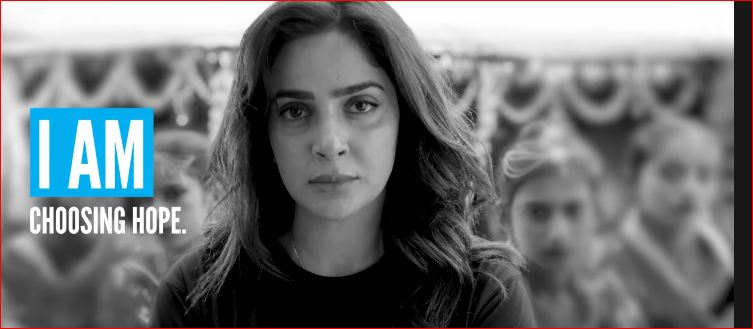
Overall, UNICEF’s facilities and services for needy people in Pakistan continue to make a profound impact. By improving health, providing education, ensuring clean water, and protecting children, UNICEF remains a vital force in creating a safer, healthier, and more hopeful future for Pakistan’s most vulnerable communities