





United Nations Initiatives for Women’s Rights
Advancing women’s rights has been one of the central commitments of the United Nations (UN) since its founding in 1945. Born out of the devastation of global conflict, the UN recognized early that peace, development, and human rights cannot be achieved without gender equality. Over the decades, the organization has built a broad framework of treaties, institutions, global conferences, and targeted programs to protect and empower women. These initiatives address everything from education, political participation, and economic opportunity to health, safety, and legal equality. As the world continues to confront persistent inequalities, the UN’s efforts remain a cornerstone for promoting women’s rights worldwide.
1. Foundations of Women’s Rights in the UN Charter
The UN Charter was the first international agreement to address gender equality explicitly. It affirmed the equal rights of men and women in its opening lines, setting a legal and moral precedent that shaped future international human rights law. This commitment was reinforced by the creation of the Commission on the Status of Women (CSW) in 1946. As one of the earliest commissions dedicated exclusively to women’s issues, the CSW helped ensure that gender equality remained a consistent priority within the UN system.
The Commission has played a major role in documenting the realities of women’s lives and formulating global standards. Its advocacy was crucial in the drafting of the Universal Declaration of Human Rights (UDHR) of 1948, which affirmed that all humans are entitled to equal rights and freedoms without discrimination on the basis of sex. The CSW continues today as a global intergovernmental body responsible for shaping international policy on gender equality.
2. The Convention on the Elimination of All Forms of Discrimination Against Women (CEDAW)
One of the most significant UN initiatives for women’s rights is the adoption of CEDAW in 1979. Often referred to as the “International Bill of Rights for Women,” CEDAW is a comprehensive legal framework that requires states to eliminate discrimination and promote equality in all areas of life, including:
education
employment
marriage and family relations
political participation
healthcare
nationality rights
CEDAW obligates countries not only to remove discriminatory laws but also to actively promote gender equality through policies, programs, and public awareness. The treaty also established the CEDAW Committee, which monitors progress and reviews reports submitted by member states. Although implementation varies widely, CEDAW has led to important reforms such as new domestic violence laws, gender-focused labor standards, and constitutional amendments in many countries.
3. The Beijing Declaration and Platform for Action (1995)
Another landmark initiative was the Fourth World Conference on Women, held in Beijing in 1995. Delegates from 189 countries adopted the Beijing Declaration and Platform for Action, an ambitious agenda outlining strategic objectives across 12 critical areas:
Women and poverty
Education and training
Health
Violence against women
Women and armed conflict
Economic structures and policies
Power and decision-making
Institutional mechanisms
Human rights
Women and the media
Environment
The girl child
The Beijing Platform remains one of the most progressive global frameworks for gender equality. It inspired national action plans, improved data collection on gender issues, and laid the foundation for ongoing monitoring through the CSW’s yearly review sessions. It also helped mainstream gender considerations within broader UN development efforts by recognizing that women’s rights are integral to social and economic progress.
4. UN Women: The Dedicated UN Entity for Gender Equality
In 2010, recognizing the need for stronger coordination, the UN created UN Women—officially the United Nations Entity for Gender Equality and the Empowerment of Women. This organization consolidates several earlier UN bodies into a single, more effective agency responsible for:
promoting global standards for gender equality
supporting governments in designing gender-responsive policies
strengthening women’s participation in decision-making
combating gender-based violence
advancing economic empowerment initiatives
UN Women also plays a leading role in global advocacy movements such as HeForShe, which encourages men and boys to actively support gender equality. Through funding, partnerships, and policy expertise, UN Women has become a central engine driving the UN’s gender agenda into the 21st century.
5. The Sustainable Development Goals (SDGs) and Gender Equality
In 2015, the United Nations adopted the 2030 Agenda for Sustainable Development, featuring 17 Sustainable Development Goals (SDGs). Gender equality is directly addressed in SDG 5: Achieve gender equality and empower all women and girls, but it is also woven into many other goals, including poverty eradication, education, health, economic growth, and peace.
SDG 5 covers a wide range of priorities, such as:
ending all forms of discrimination against women and girls
eliminating violence and human trafficking
recognizing unpaid care and domestic work
ensuring full participation in leadership
granting equal rights to economic resources
improving access to technology and digital inclusion
The SDGs reflect the understanding that gender equality is not only a moral imperative but also essential for sustainable development. UN agencies work closely with governments and civil society to monitor progress and provide targeted assistance where gaps persist.
6. Addressing Gender-Based Violence
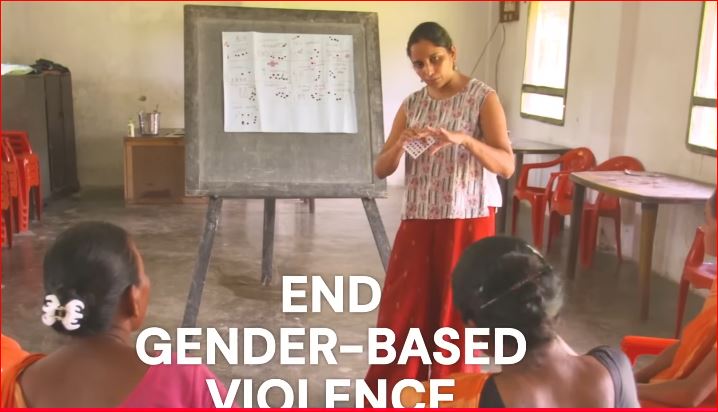
Gender-based violence (GBV) remains one of the most widespread violations of human rights. The United Nations has launched several initiatives to combat it, including the UNiTE to End Violence Against Women campaign, established in 2008. The campaign focuses on raising awareness, improving data collection, strengthening legal frameworks, and mobilizing communities to challenge harmful norms.
The annual Orange the World campaign, held from November 25 to December 10, draws global attention by uniting governments, NGOs, and individuals in events, marches, and public messaging. The UN also supports programs that assist survivors through legal aid, psychosocial support, and safe shelters in various parts of the world.
In conflict zones, UN agencies monitor sexual violence, support survivors, and work with peacekeeping missions to prevent abuses. The Special Representative of the Secretary-General on Sexual Violence in Conflict continues to highlight violations and push for accountability during and after conflicts.
7. Economic Empowerment and Women’s Employment
The United Nations recognizes that women’s economic empowerment is vital for global prosperity. Initiatives include:
supporting access to credit and financial services
promoting decent work and fair wages
protecting women’s rights in the informal economy
encouraging entrepreneurship and digital literacy
Programs such as the UN Women–ILO partnership focus on creating gender-responsive labor policies. In many countries, UN-supported programs help women farmers access land, technology, and markets. By improving women’s earning power, these initiatives also contribute to broader goals like reducing poverty and improving children’s health and education.
8. Women, Peace, and Security
The adoption of UN Security Council Resolution 1325 (2000) was a historic step in recognizing women’s roles in peacebuilding and conflict prevention. The resolution and subsequent WPS (Women, Peace and Security) agenda emphasize:
the protection of women during conflict
women’s participation in peace negotiations and peacekeeping
the prevention of conflict-related sexual violence
the need to integrate gender perspectives in all peace and security efforts
Countries are encouraged to adopt National Action Plans to implement these principles. Peace processes involving women have been shown to lead to more sustainable agreements, and the UN continues working to increase female representation in mediation teams and peacekeeping missions.
Conclusion
From its earliest days, the United Nations has been a driving force in advancing women’s rights globally. Through a combination of legal frameworks, policy guidance, advocacy campaigns, and on-the-ground programs, the UN continues to push for a world where women and girls can live free from discrimination and violence, enjoy equal opportunities, and participate fully in shaping their societies.
While progress has been significant, challenges remain—unequal pay, limited political representation, pervasive gender-based violence, and cultural barriers that restrict women’s autonomy. Nevertheless, the UN’s initiatives provide a powerful platform for collective action. With continued commitment from governments, civil society, and individuals, the vision of gender equality articulated in the UN Charter, CEDAW, Beijing Platform, and the SDGs can become a reality for future generations