








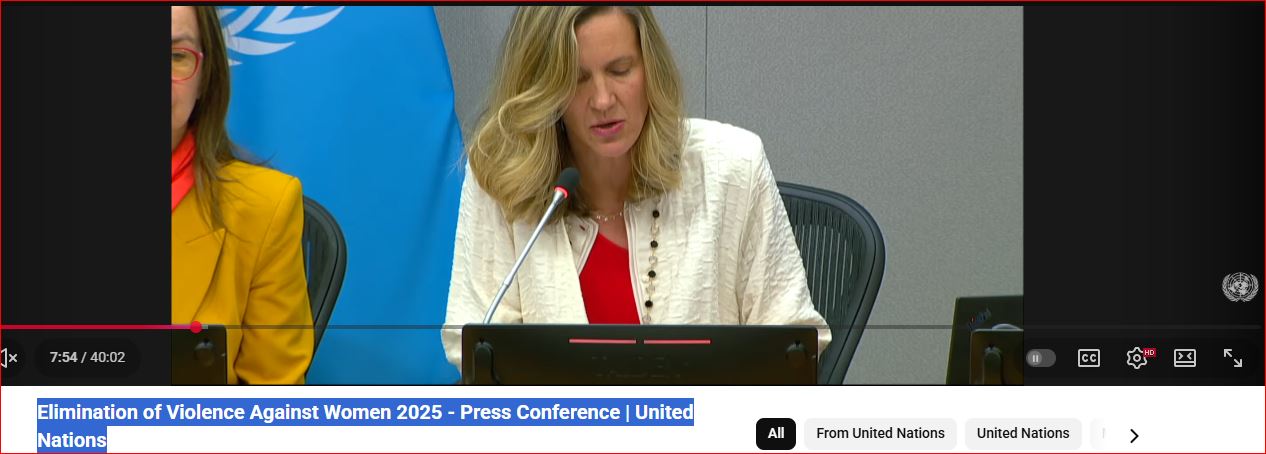
Elimination of Violence Against Women 2025
Violence against women remains one of the most pervasive human rights violations in the world, cutting across geography, culture, religion, and socio-economic class. As we enter 2025, the global community once again recognizes the International Day for the Elimination of Violence Against Women not merely as a commemorative event, but as a call to action. Each year, millions of women and girls experience physical, emotional, sexual, or economic harm, often inflicted by those closest to them. Despite decades of progress, the persistence of gender-based violence demands renewed attention, stronger legal frameworks, transformative social norms, and more effective systems of protection and support. The year 2025 presents both an opportunity and a responsibility to advance these efforts.
To understand the urgency of eliminating violence against women, it is essential to consider the many forms this violence takes. Physical violence, which includes assault, battery, and homicide, is perhaps the most visible and widely recognized. However, other forms—psychological abuse, coercive control, stalking, cyber harassment, financial deprivation, and harmful cultural practices—are equally harmful and often harder to detect. Domestic violence, for example, affects women across all societies and is frequently hidden behind closed doors due to fear, stigma, or economic dependence. Sexual violence, including rape and harassment, infringes on a woman’s bodily autonomy and often leads to long-term psychological trauma and social discrimination. Even in modern societies, many survivors hesitate to report abuse due to victim-blaming, inadequate law enforcement responses, and cultural norms that discourage speaking out.
As we look at the global landscape in 2025, one of the major challenges lies in digital transformation. Technology has brought countless benefits, yet it has also created new avenues for harassment, cyberstalking, doxxing, image-based abuse, and online misogyny. Women in public life—politicians, journalists, activists, and influencers—face disproportionate levels of online violence aimed at silencing their voices. Young girls experience cyberbullying that affects their mental health and self-esteem. These new forms of violence require updated legal measures, digital safety education, and responsible action from social media platforms.
However, elimination of violence against women is not just a matter of law; it is deeply tied to cultural attitudes and gender norms. Many societies still hold stereotypes that normalize male dominance or trivialize women’s suffering. Patriarchal beliefs often place the burden of family honor on women, discourage them from asserting their rights, or pressure them to remain silent in the face of abuse. Education, awareness campaigns, and community engagement are therefore central to shifting societal mindsets. In 2025, countless organizations across the world continue to work on these fronts, but real change requires widespread participation—from families, teachers, religious leaders, and youth.
Another crucial dimension of the fight against violence is economic empowerment. Women who lack financial independence are more vulnerable to abuse and less able to leave violent environments. Ensuring access to employment, fair wages, land rights, and entrepreneurship opportunities strengthens not only women’s autonomy but also their bargaining power within households and communities. Government policies that support childcare, equal pay, and social protection systems contribute to creating safer and more equitable societies.
Legal reforms also remain at the heart of global strategies in 2025. Many countries have introduced or strengthened laws addressing domestic violence, sexual assault, child marriage, and harassment. Yet, the implementation gap remains wide. Survivors often face insensitive police procedures, delayed court processes, limited forensic support, and a lack of shelter services. Without well-funded support systems—such as crisis centers, legal aid, counseling services, and safe houses—laws alone cannot protect women. Strengthening judicial systems, training police and healthcare professionals, and ensuring accountability for perpetrators are essential components of meaningful legal enforcement.
One of the most promising strategies for 2025 is the global focus on prevention rather than merely responding to violence. Preventive approaches include early education on healthy relationships, gender sensitivity training, community dialogues, and campaigns targeting men and boys. Men must be included as allies in this movement; transforming harmful forms of masculinity can significantly reduce incidents of violence. Programs that encourage men to challenge gender stereotypes, take responsibility for their behavior, and act as positive role models have proven effective in many regions.
The role of global institutions also remains critical. The United Nations’ “UNiTE to End Violence Against Women” campaign continues to mobilize governments and civil society. The Sustainable Development Goals, particularly Goal 5 on gender equality, place the elimination of all forms of violence against women as a central priority. In 2025, international cooperation has become more important than ever due to cross-border issues such as human trafficking, migrant women’s vulnerabilities, and online abuse that transcends national boundaries. Stronger regional frameworks, data-sharing networks, and cross-border support systems can significantly improve responses to these challenges.
Survivor-centered approaches are another essential part of the 2025 agenda. This means listening to women’s voices, respecting their choices, ensuring confidentiality, and providing trauma-informed care. Survivors should never be pressured to pursue legal action if they are not ready; instead, they should be supported through psychological, medical, legal, and social services that empower rather than control them. Many countries are now integrating survivor-centered protocols into their healthcare, policing, and judicial systems, but much work remains to ensure that survivors everywhere are treated with dignity.
It is equally important to acknowledge the diverse experiences of women. Violence affects women differently based on race, ethnicity, disability, age, economic status, sexual orientation, and displacement. Indigenous women, refugee women, women with disabilities, and LGBTQ+ individuals often face heightened risks and fewer resources. In 2025, intersectional approaches—those that recognize overlapping identities and vulnerabilities—are indispensable for creating truly inclusive strategies.
Another key priority is improving data collection and research. Many countries underreport gender-based violence or lack reliable statistics. Without accurate data, it is difficult to design effective policies or measure progress. Technology can play a helpful role in improving reporting systems, supporting evidence collection, and providing real-time alerts during emergencies. Research institutions, governments, and NGOs must collaborate to produce high-quality data that drives smarter interventions.
Ultimately, the elimination of violence against women in 2025 requires a united global commitment. It is not the responsibility of women alone; it is a societal issue that demands engagement from every sector—government agencies, schools, religious institutions, workplaces, media, and families. Ending violence requires moral courage, political will, financial investment, and a cultural transformation that values equality and human dignity.
As we reflect on the significance of this year’s observance, we must remember that violence against women is not inevitable. It is preventable. Every step toward empowering women, challenging harmful norms, strengthening laws, and promoting equality brings us closer to a world where all women and girls can live free from fear and harm. The path is long, but progress is possible when individuals and institutions work together with determination and empathy.
In 2025, the call to eliminate violence against women is more urgent than ever. It is a call to create safer homes, safer communities, and safer digital spaces. It is a call to uphold justice, amplify women’s voices, and build a future where every woman’s rights are fully protected. It is a call that we must answer—not just today, but every day—until violence against women becomes not just unacceptable, but unthinkable
=======