



Disability and Child Protection | UNICEF
Disability and Child Protection | UNICEF
Children with disabilities represent one of the most marginalized and excluded groups in the world. Despite significant progress in global child-rights advocacy, millions of children with physical, sensory, intellectual, psychosocial, or developmental disabilities continue to face barriers that prevent them from living safely, accessing essential services, and reaching their full potential. UNICEF’s work on disability and child protection is grounded in the conviction that every child, without exception, has the right to grow up in a safe, nurturing environment. Protecting children with disabilities is not only a matter of meeting basic needs—it is about recognizing their value, ensuring dignity, and fostering inclusion in all aspects of life.
The Global Context of Disability and Vulnerability
Children with disabilities are at a significantly higher risk of violence, neglect, exploitation, and abuse than their peers. Studies have consistently shown that they are nearly three to four times more likely to experience physical or emotional violence and up to three times more likely to be sexually abused. Often, these risks stem from deeply rooted societal attitudes that view disability through the lens of stigma, fear, or misunderstanding.
In many communities, disability is still associated with shame or superstition, leading families to hide children or restrict their participation in social life. These children may be excluded from school, denied medical care, or confined to institutions, where the risks of neglect and abuse are even higher. Poverty deepens these vulnerabilities: families caring for children with disabilities often face greater financial burdens, limiting access to support services and increasing stress, which can heighten the risk of neglect.
UNICEF’s approach begins with acknowledging these systemic inequalities and addressing the social norms, institutional barriers, and gaps in legislation that allow such violations to persist.
Discrimination as a Barrier to Protection
Discrimination—whether overt or subtle—creates an environment where children with disabilities are less likely to be heard, believed, or protected. For example, children with communication difficulties may be unable to report abuse, while those with intellectual disabilities may be perceived as unreliable witnesses. Some justice systems do not provide accessible reporting mechanisms or trained personnel, making it nearly impossible for children with disabilities to access legal protection.
This discrimination extends to emergency settings as well. In humanitarian crises—conflict, displacement, natural disasters—children with disabilities are often overlooked in evacuation plans, excluded from emergency education programs, or unable to reach distribution points for food, water, or shelter. Without targeted protection strategies, these children face heightened threats including violence, family separation, trafficking, and exploitation.
UNICEF works to eliminate discrimination not only by shaping inclusive laws and policies but also by transforming public attitudes. Awareness campaigns, community engagement, and training for service providers all play a vital role in building societies where disability is understood, accepted, and supported rather than feared or ignored.
Family and Community Support as a Foundation for Protection
The family is the first and most important protective environment for any child. For children with disabilities, strong family support is critical. UNICEF promotes family-based care over institutionalization, advocating for services that allow children to remain with their families and participate fully in community life.
Supporting families means ensuring they have access to inclusive health care, early childhood intervention, rehabilitation services, financial support, and respite care. It also involves providing parents with guidance to help them understand their child’s needs, nurture their development, and advocate for their rights. When families receive the right support, their resilience increases, and the risk of violence or neglect decreases.
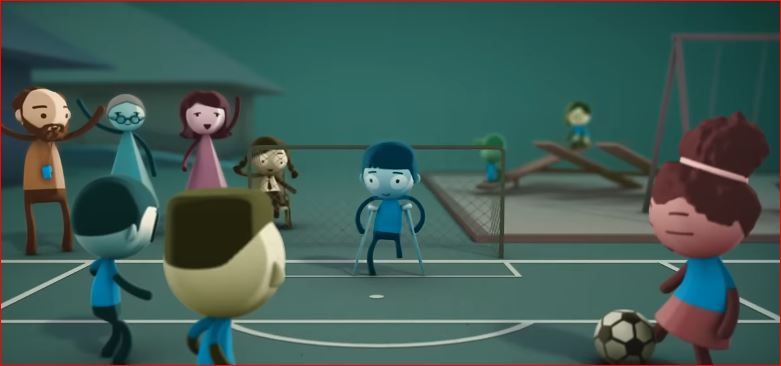
At the community level, UNICEF strengthens local child protection systems by training teachers, social workers, police officers, health providers, and community leaders to recognize signs of abuse, report concerns, and respond appropriately. Inclusive schools and community centers can serve as safe spaces where children with disabilities participate equally in social and educational activities, strengthening their confidence and reducing isolation.
Inclusive Education as a Pathway to Protection
Education plays a dual role: it not only equips children with knowledge and skills but also protects them from exploitation, neglect, and harmful practices. UNICEF advocates for inclusive education systems where children with disabilities learn alongside their peers rather than being segregated or left out of school entirely.
Inclusive schools must ensure accessible facilities—ramps, accessible toilets, adapted transportation—alongside trained teachers capable of using inclusive teaching methods. Assistive devices, accessible learning materials, and support personnel such as sign language interpreters or classroom aides are also essential components.
When children with disabilities participate fully in education, they gain greater independence, self-esteem, and awareness of their rights. Schools also offer a structured environment where risks of violence can be identified early and responded to quickly.
Strengthening Legal and Policy Frameworks
Laws and policies that explicitly protect the rights of children with disabilities are essential for ensuring accountability. UNICEF works with governments to strengthen national child protection systems and align them with international frameworks such as the Convention on the Rights of the Child (CRC) and the Convention on the Rights of Persons with Disabilities (CRPD).
Key policy areas include:
Prohibiting discrimination against children with disabilities in all spheres of life
Ensuring accessible reporting and justice systems, including adapted interview techniques
Ending institutionalization and promoting family-based alternatives
Integrating disability considerations into national child protection strategies
Expanding data collection to make children with disabilities visible in policymaking
Without robust legal protections—or mechanisms to implement them—children with disabilities remain vulnerable to hidden violations.
Involving Children with Disabilities in Decision-Making
UNICEF emphasizes that children with disabilities are not simply beneficiaries of protection—they are rights holders with valuable perspectives. Their participation in designing programs, policies, and services ensures that solutions are relevant, respectful, and effective.
Children with disabilities must be able to express themselves using whatever method suits them best: sign language, assistive technology, communication boards, or other accessible formats. By listening to their voices, societies not only uphold their rights but also challenge misconceptions about disability and capability.
The Path Forward: Building Inclusive and Protective Societies
Ensuring the protection of children with disabilities requires long-term commitment and collaboration across all sectors of society. Governments, civil society organizations, educators, health systems, and communities all share responsibility for creating environments where every child is safe, valued, and able to thrive.
UNICEF’s vision is clear: a world in which children with disabilities enjoy equal opportunities, grow up free from violence and discrimination, and participate fully in their families, schools, and communities. Achieving this vision means addressing structural inequalities, investing in inclusive services, and promoting attitudes rooted in respect and dignity.
Protecting children with disabilities is not an optional add-on to child protection—it is central to achieving universal child rights. When societies embrace inclusion, they not only safeguard the most vulnerable children but also enrich the social, cultural, and economic well-being of all.