









Google to Retire Assistant in March 2026, Gemini to Take Over
Google has confirmed it will phase out Google Assistant, with full retirement scheduled for March 2026. The company disclosed the timeline through notices appearing on its support forums, stating that the service will continue operating until that date before being gradually wound down.
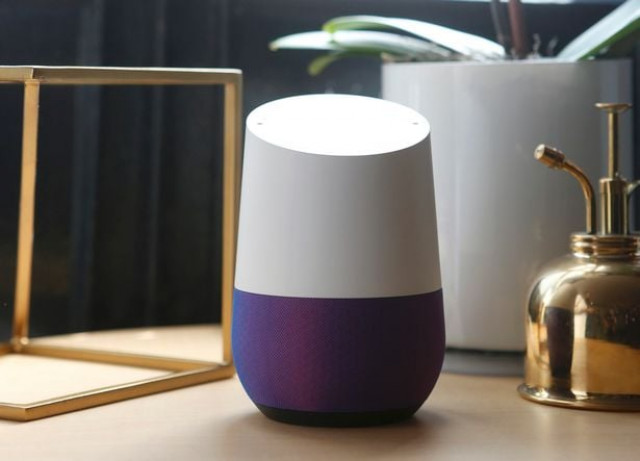
Google Assistant was introduced in 2016 at Google I/O as the successor to Google Now, launching later that year on the first Pixel phones and the Google Home speaker. It later expanded across billions of devices, including smartphones, smart speakers, wearables, televisions, and in-car systems. Over the years, it added notable features such as Continued Conversation, Duplex voice calls, Interpreter Mode and proactive Memory reminders. By 2023, Google had begun integrating the on-device Gemini Nano model for privacy-focused tasks, and in 2024, it started shifting the platform’s backend to Gemini.
Transition to Gemini
The retirement marks Google’s move toward consolidating its services under Gemini, the company’s flagship AI platform. According to Google’s documentation, Gemini will be capable of understanding the same commands as Assistant while allowing users to interact in more natural conversational language.
Some users are already encountering Gemini-based interfaces in car infotainment systems and smart-home setups, signalling the beginning of the wider transition.
What users should expect
Assistant-enabled devices will continue functioning until March 2026, though certain features may be phased out earlier. Users can expect:
prompts encouraging an upgrade to Gemini or a new AI interface;
changes in interface design or behaviour as Gemini replaces Assistant;
gradual reduction in updates for the legacy platform.
Impact on developers and device makers
Developers relying on Google Assistant APIs may need to adjust their integrations as the backend transitions to Gemini. Smart-home and IoT manufacturers may also require firmware updates to maintain compatibility once Assistant support ends.
While Google positions Gemini as the more powerful and flexible successor, users have expressed mixed reactions. Gemini’s generative capabilities have advanced rapidly, but some still find Assistant more reliable for routine queries and simple command execution.
The shift underscores a broader industry pivot toward conversational, agent-like AI systems rather than traditional voice assistants. As Gemini becomes more deeply embedded across Android and Google’s ecosystem, the company expects it to take on more complex tasks and respond to increasingly sophisticated user demands.