







The World Food Programme: A Pillar of Global Humanitarian Action
The World Food Programme: A Pillar of Global Humanitarian Action
The World Food Programme (WFP), the food-assistance branch of the United Nations, stands today as the world’s largest humanitarian organization dedicated to combating hunger and promoting food security. Established officially in 1961 by the United Nations (UN) and the Food and Agriculture Organization (FAO), the WFP has grown from a modest three-year experimental program into a global force operating in more than 120 countries and territories. Its mission extends far beyond delivering food; it seeks to ensure that every individual, regardless of where they live or the circumstances they face, has access to the nourishment necessary for a healthy and dignified life.
This article explores the history, objectives, operations, challenges, achievements, and continued importance of the World Food Programme in an increasingly complex and food-insecure world.
Origins and Evolution of the WFP
The origins of the WFP can be traced back to the early 1960s, when the world was undergoing significant social and political shifts, including decolonization, natural disasters, and growing awareness of global poverty. The devastating earthquake in Iran (1962) and the subsequent food crisis prompted the organization to test a new approach to humanitarian assistance—one focused on food aid as a tool for relief and development.
The program’s early successes led to its formal establishment. Throughout the 1970s and 1980s, the WFP expanded rapidly, responding to major global emergencies such as famines in Africa and conflicts in Southeast Asia. As the nature of crises evolved, so did the WFP’s strategies. Its mandate grew from simply delivering food to helping strengthen national systems, improving resilience, and addressing the root causes of hunger.
In 2020, the World Food Programme received the Nobel Peace Prize for its efforts to combat hunger, improve conditions for peace in conflict-affected areas, and prevent the use of hunger as a weapon of war. This award signified global recognition of the WFP’s indispensable role in promoting stability and human well-being.
Mandate and Mission
The WFP’s mission is grounded in the belief that food is a fundamental human right. Its primary objectives include:
Saving lives and protecting livelihoods in emergency situations.
Supporting recovery and rebuilding after crisis.
Enhancing resilience against future shocks such as climate change and economic instability.
Providing nutritional assistance to vulnerable groups, especially children, women, and the elderly.
Supporting development programs that address long-term food security.
In alignment with the UN’s Sustainable Development Goals—particularly SDG 2: Zero Hunger—the WFP focuses on eradicating hunger, improving nutrition, and ensuring sustainable food systems worldwide.
Operational Structure and Global Reach
The WFP coordinates some of the largest and most complex logistics operations in the world, often working under extreme conditions and in regions affected by conflict or natural disasters. Its global headquarters are located in Rome, Italy, but most of its staff operate in the field.
Key aspects of the WFP’s operations include:
1. Emergency Response
Emergencies caused by war, natural disasters, or economic collapse make up the majority of the WFP’s work. Whether responding to drought in the Horn of Africa, earthquakes in Asia, or conflict in the Middle East, the organization delivers food rapidly to populations in need. It also deploys specialized emergency teams and uses innovative delivery methods—including airlifts, convoys, and sea shipments.
2. Food Assistance
Historically dependent on food deliveries, the WFP now uses a combination of:
In-kind food distribution
Cash-based transfers
Food vouchers
Digital payment systems
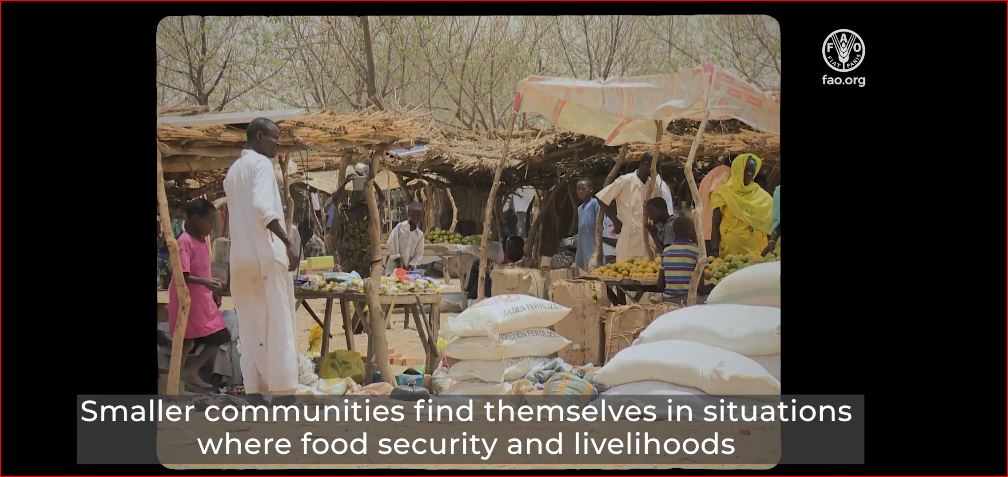
Cash-based assistance empowers families to purchase food from local markets, helping stimulate local economies while ensuring dietary diversity.
3. Nutrition Support
Malnutrition remains one of the greatest global health challenges. The WFP provides targeted nutritional support to pregnant and breastfeeding mothers, children under five, and individuals living with chronic illnesses such as HIV/AIDS. Specialized nutritional products help combat stunting, wasting, and micronutrient deficiencies.
4. School Feeding Programs
School feeding is one of the WFP’s most effective long-term strategies. By providing free meals in schools, the organization improves attendance, especially for girls, enhances academic performance, and supports community development.
5. Resilience Building
In addition to alleviating immediate hunger, the WFP helps communities build resilience through:
Agricultural training
Irrigation and water-harvesting projects
Reforestation initiatives
Infrastructure development
Support to smallholder farmers
These programs help communities withstand future shocks and reduce dependence on humanitarian aid.
Partnerships and Collaboration
The WFP works with governments, non-governmental organizations (NGOs), private companies, local communities, and other UN agencies. Partnerships are essential for achieving its large-scale goals.
Governments often rely on the WFP’s expertise to strengthen their own food systems. The private sector contributes through logistics, funding, research, and innovation. Universities and research organizations help develop new technologies and data systems for predicting and managing crises.
The WFP also works closely with organizations such as UNICEF, WHO, and FAO to coordinate multi-faceted responses that include health services, agricultural support, and child welfare programs.
Funding and Financial Structure
Unlike many UN agencies, the WFP is entirely funded by voluntary contributions. Donors include:
National governments
Private individuals
Corporations

International institutions
Because funding is voluntary, the organization must constantly raise resources to sustain its operations. This financial model creates vulnerabilities, especially as the scale of global hunger continues to rise. Shortfalls in funding can jeopardize food deliveries and nutritional support in crisis-affected regions.
Challenges Facing the World Food Programme
Despite its vast reach, the WFP faces enormous challenges:
1. Growing Global Hunger
Worldwide hunger has increased in recent years due to conflict, climate change, pandemics, and economic instability. The number of people facing acute food insecurity has reached hundreds of millions, putting unprecedented pressure on WFP operations.
2. Conflict Zones
Delivering food to conflict-affected populations is dangerous and logistically challenging. Humanitarian corridors may be blocked, staff may face security threats, and distribution systems may be disrupted.
3. Climate Change
Climate-related disasters—droughts, floods, cyclones, and desertification—are increasing in frequency and intensity. These events disrupt agriculture, destroy crops, displace communities, and increase reliance on food assistance.
4. Funding Gaps
The WFP often faces significant budget shortfalls. Competing global priorities, economic downturns, and political tensions affect donor contributions. Funding gaps force the organization to reduce rations or limit support to certain regions.
5. Supply Chain Disruptions
Global supply chain issues, rising food prices, and transportation challenges make operations more complex and expensive.
Achievements and Impact
Despite these obstacles, the WFP has achieved remarkable results:
It feeds tens of millions of people every year.
Its emergency responses save countless lives.
School feeding programs help millions of children access education.
Cash assistance programs strengthen local economies.
Nutrition initiatives significantly reduce childhood stunting and wasting.
Its resilience programs help communities build long-term food security.
The WFP’s work has contributed to peacebuilding by reducing food-related tensions and supporting stability in fragile regions.